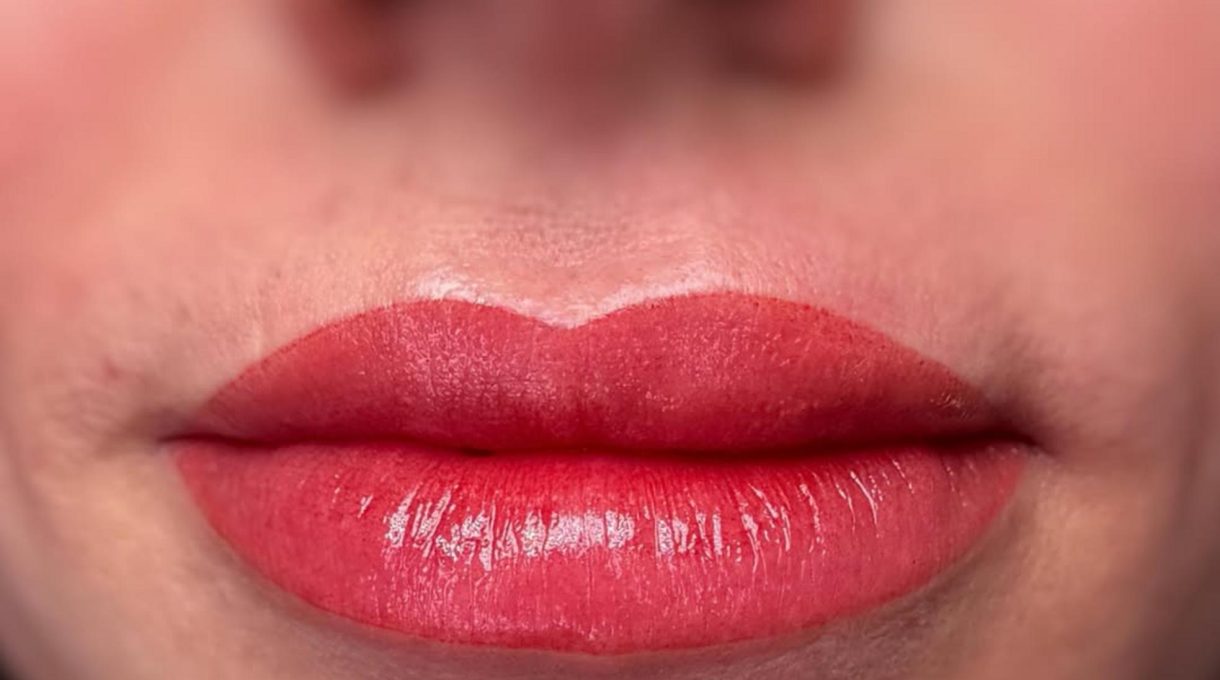
If someone asks you what the real risks are of lip liner pigment migration, here’s the honest answer: yes, pigment can start to migrate, blur, feather or spread into the surrounding skin over time. The risk is a bit higher if your lip border is overworked, overlined, placed a bit too deeply, or if the pigment is just the wrong choice. Based on my experience with Olha Po at Cosmetic Tattoo Studio Melbourne Face Figurati, true migration is a complication that can happen when treatments aren’t planned and performed properly, but it’s definitely not the norm if you get it right.
I’ve been working in cosmetic tattooing in Melbourne since 2016 and have handled my fair share of lip-blushing-gone-wrong cases. Most of the time, the issues that arise are preventable so long as the right techniques are used and the right aftercare is followed. If you know what to look for, choose an experienced artist, and handle aftercare properly, you can significantly reduce the risk of lip pigment migration and achieve a much more predictable result.
Why This Risk Matters
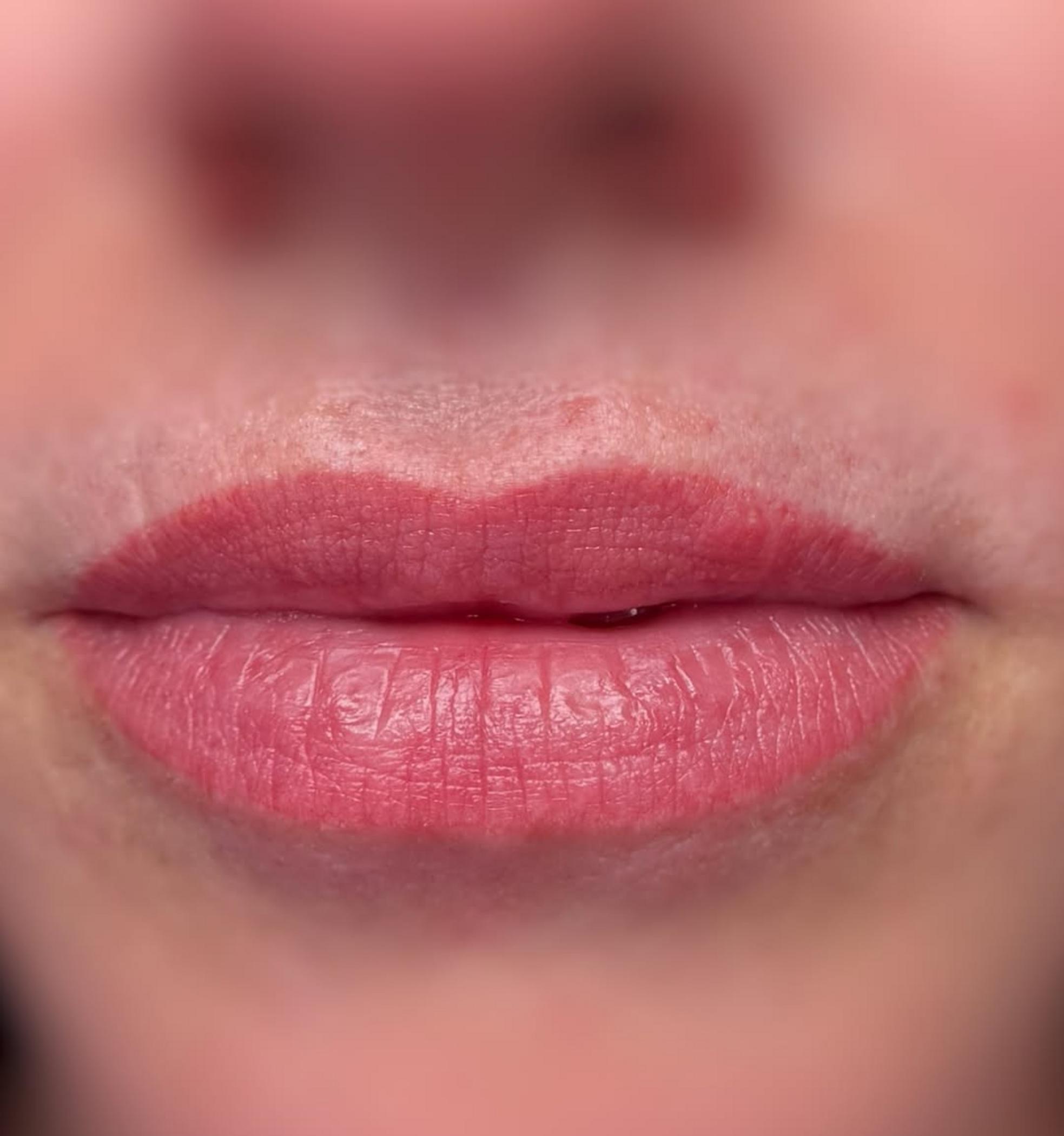
The thing is, your lips are pretty mobile and vascular, so technique is way more important than most people give it credit for. A good crisp border can still look lovely even after it’s healed, but if you get the tattoo placement wrong in the first place, you’ll be left with a lip pigment blowout that can be really hard and expensive to fix. This is one of those treatments where you get what you pay for: ‘cheap and quick’ all too often ends up being ‘costly and awkward later’.
What Migration Actually Looks Like
We get a lot of clients using different words to describe the same problem: blowout, fanning, feathering or a shadow outside the lip line. In the world of PMU (permanent makeup), migration simply means the pigment has spread slightly beyond where it was intended, leaving a blurred edge in the surrounding skin. It’s different to the normal healing process, where the colour might look a bit smudgy for a few days before settling.
How To Spot Early Signs
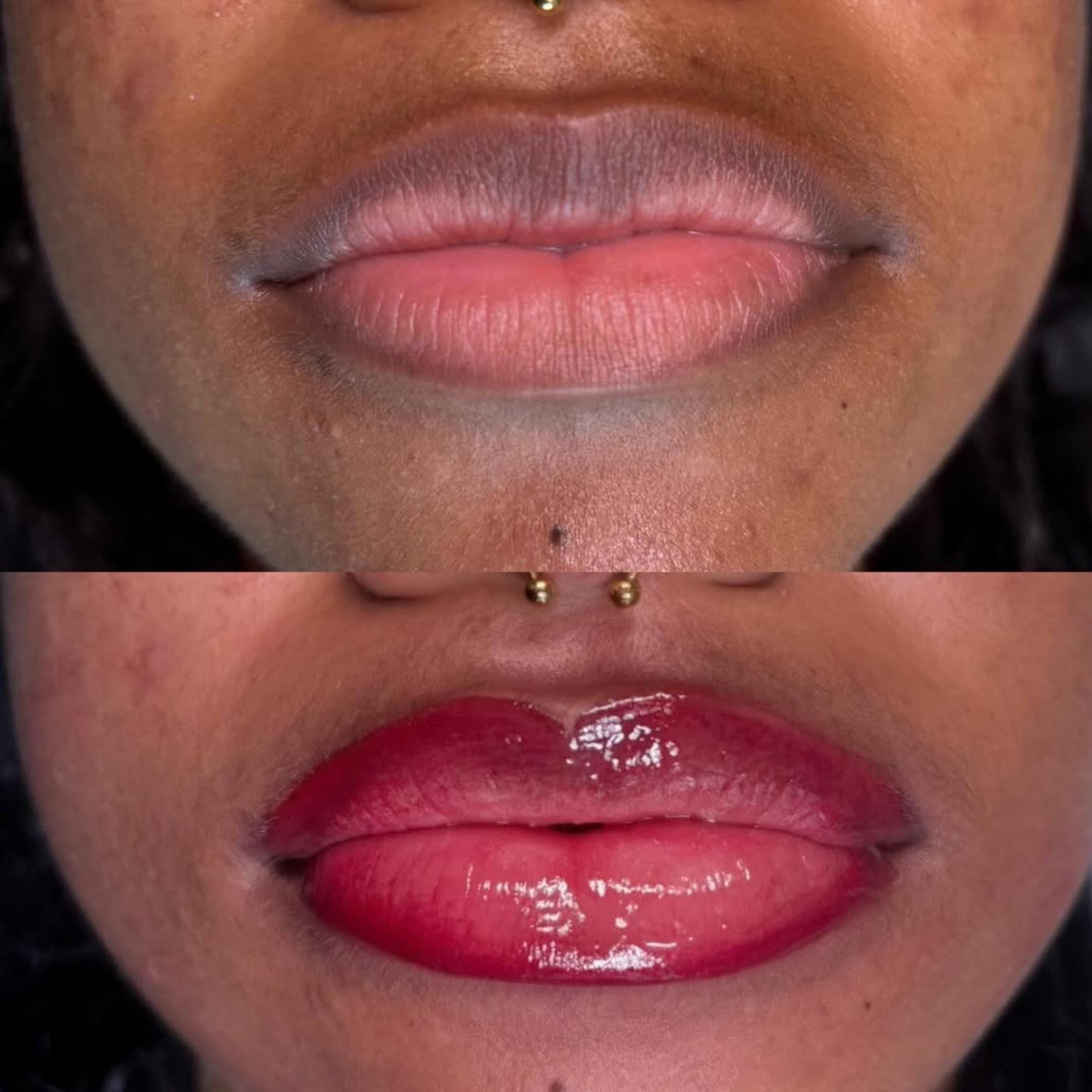
What often catches people out is that lip tattoo migration can take a while to show itself. Common symptoms include a soft halo forming outside the lip edge, uneven spreading of the tattoo at the corners, or a grey, cool, or muddy outline that wasn’t in the design to begin with. Some people don’t even notice it in the first week – it might look fine initially, but months down the track, you notice the line is no longer as crisp as it used to be.
What Usually Causes It
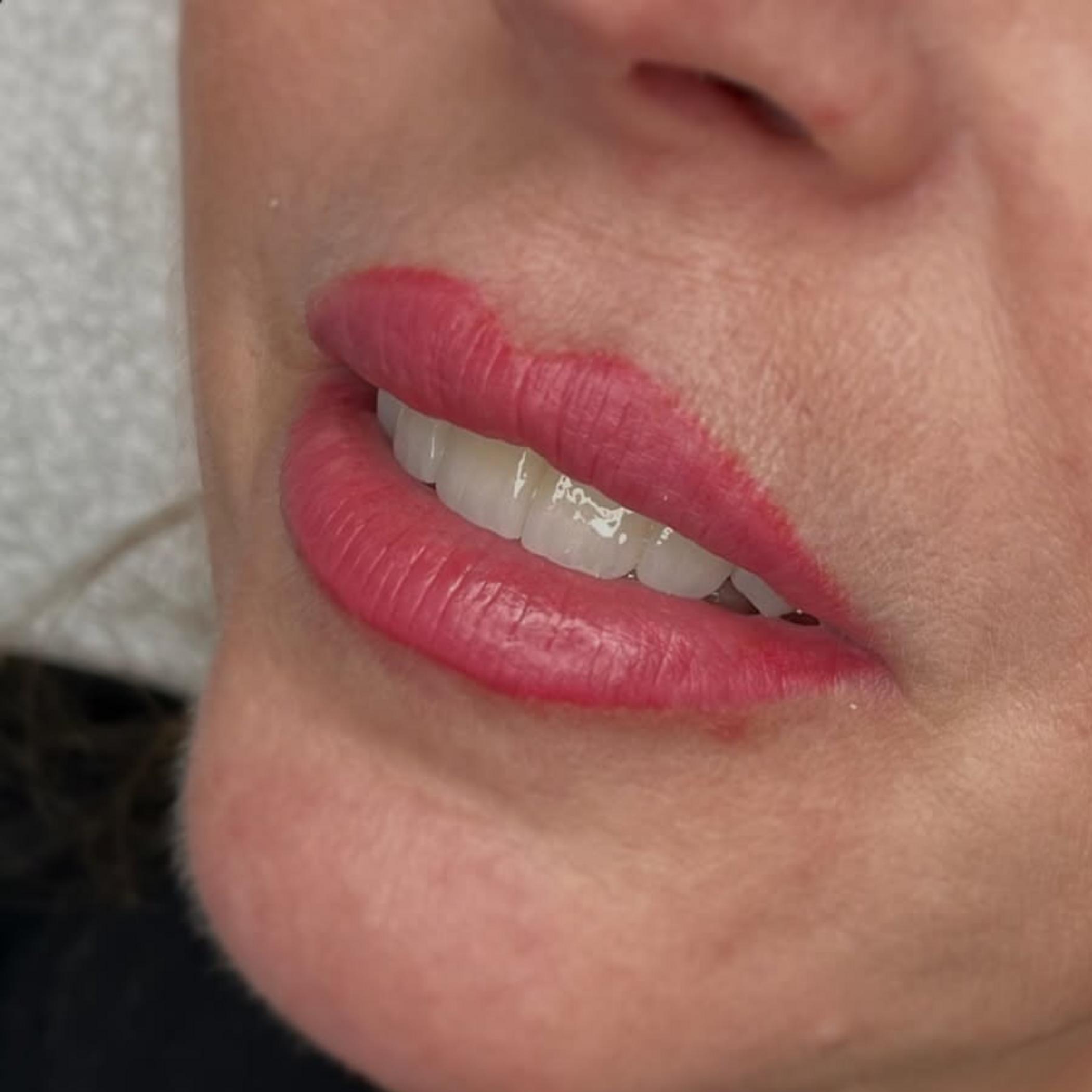
This is where the myth-busting really begins. Migration is far from just your skin rejecting a pigment. It’s usually down to the technique used, what you’re working with (anatomy, pigment choice, etc) and how well you can balance that with what’s natural.
Depth And Dermal Placement
The main problem is usually dermal placement. If the pigment is placed too deeply, it can spread and cause a lip tattoo disaster. New artists often put too much pressure on or make too many passes to stop the colour from fading, which makes the situation even worse.
Anatomy, Skin, and Overlining
Not all lips are made for strong, harsh lines. Older skin, super-thin skin, scarring from fillers or cold sores, and sun-damaged lips all make it harder to get the lines to look good. I’m especially wary if you try to overline lips with a lip liner tattoo—a small tweak might look fine when it heals, but pushing it too far outside your natural lip line is a great way to end up with visible blurring.Pigment And Ingredient Choices
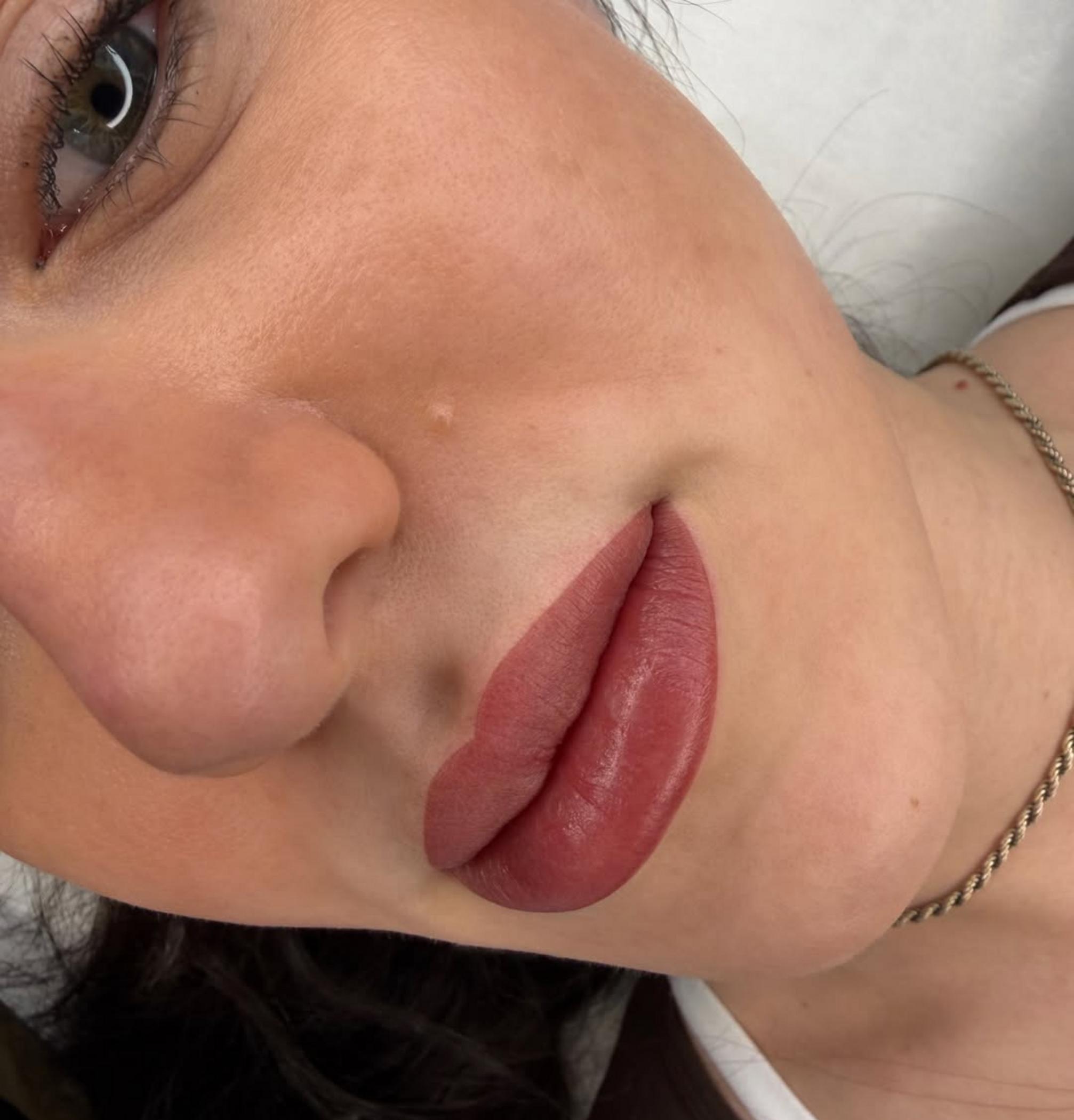
Pigments don’t all behave the same way; it’s not as simple as picking a pretty shade. You’ve got to get the right one for your face, and choosing the wrong one can cause big problems later on. Some pigments are really hard to remove if you need correction, and it’s just one of those things you’ve got to consider.
What Clients Often Get Wrong
To be kind, I have to say that a lot of people get so caught up in the colour that they forget that lip line and shading techniques have a huge influence on where the real risks lie. A trendy colour might fade, but a badly placed edge is what keeps people coming back for touch-ups.Expectation Vs Reality
Straight after the treatment, the lips will look bold, sharp and a bit swollen. But once they’ve healed, the results are usually softer and less intense. One session might sort out the tone and shape, but it won’t always get you the full density you want – and that’s where a follow-up appointment comes in. I like to explain all this up front because it stops people from pushing for something that just won’t work.
Melbourne Climate And Healing
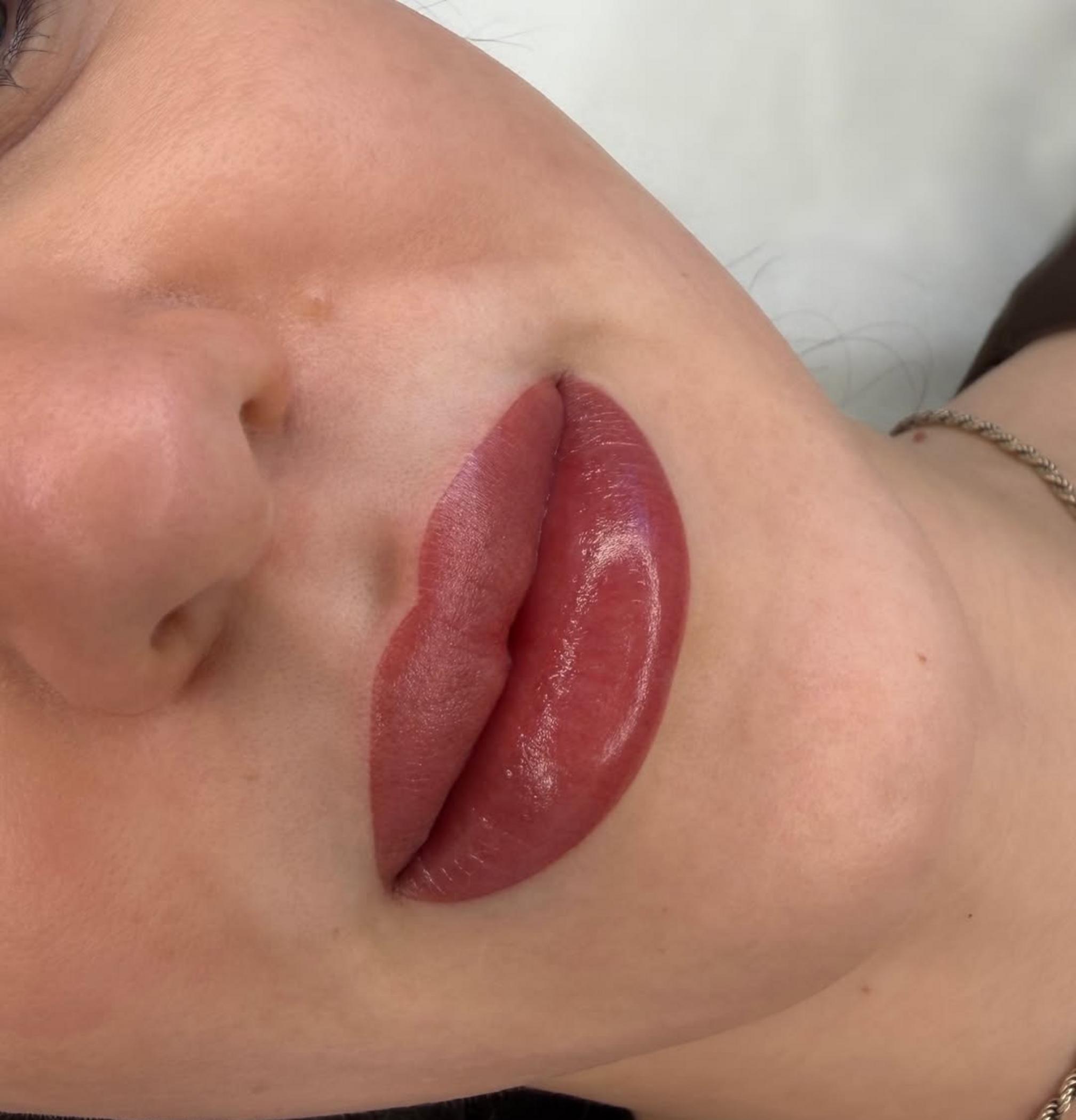
Melbourne’s weather is rough on healing lips. The wind, dry air, sudden cold snaps, and UV all mess with the moisture balance and can cause cracking, rubbing, or slow down the repair process. And then of course there’s the sun in summer and the drying out from indoor heating in winter – both of which can cause patchy fading and borders that don’t look even. You’ve got to get aftercare right.
How To Reduce The Risk
This is what really matters – saving your lip tattoo from disaster. Prevention is a heck of a lot easier than trying to correct the damage after the fact. The right technique, safe materials, and an honest approach to planning are key to preventing that awful pigment migration in the first place.
Choose The Right Artist
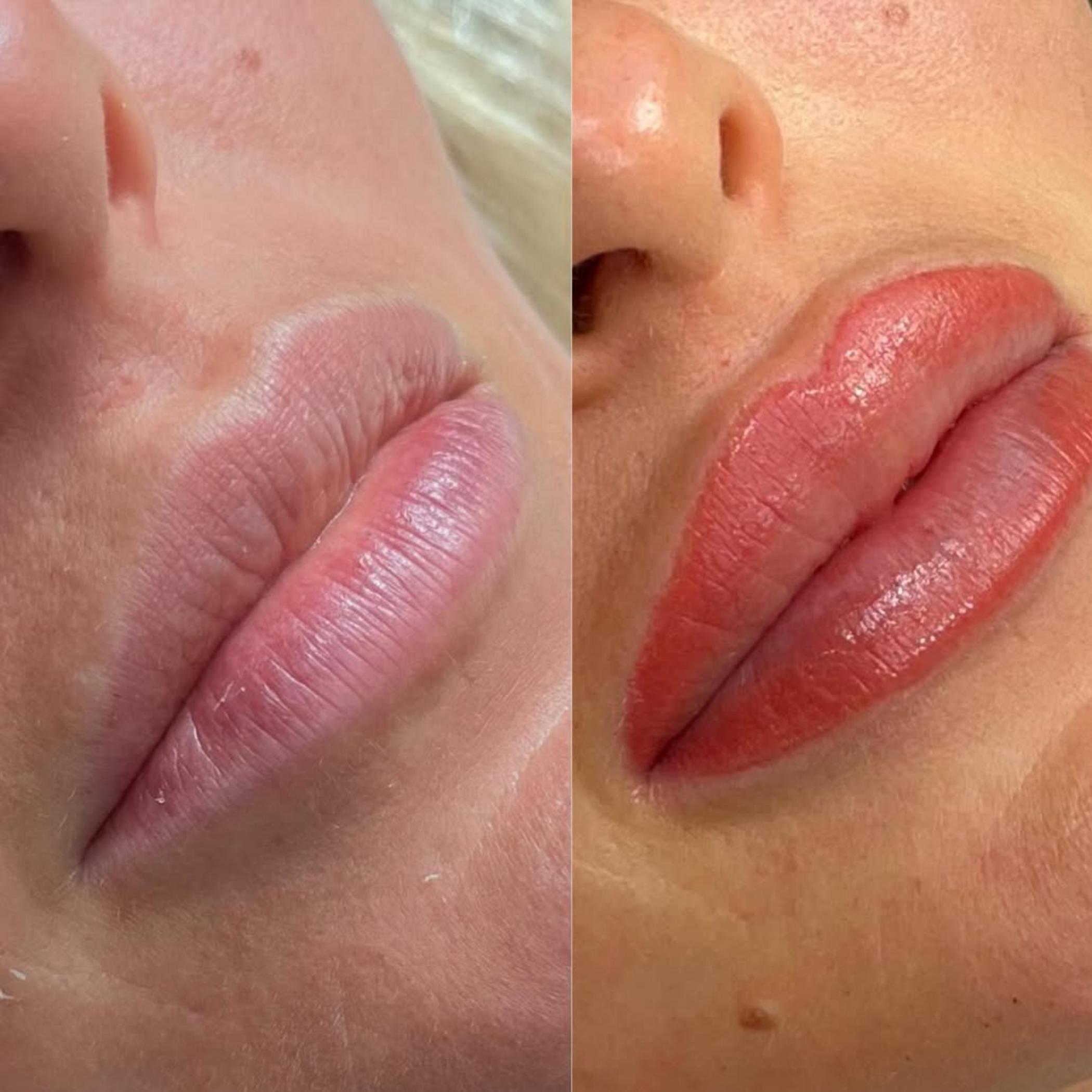
You need to know how they handle lip borders – do they work within the natural curve of your lip, what kind of pigments they use, and how they go about correcting problems that come up from other studios. And please, don’t just look at the fresh results – check out how the healed results look too. Be prepared for lip tattoo pricing in Melbourne to start at around AUD 450 and go up to AUD 900 for the first session – and then there’s the cost of touch-ups on top of that. And let’s be clear – you get what you pay for. The cheapest booking isn’t always the cheapest option in the long run.
Know If You’re Suitable
If you’ve got active cold sores, broken skin, or you’ve recently had filler, then you might need to consider the waiting period after lip fillers before booking your session or adjust your plans. If you’re only having one session, focus on getting the shape right rather than going for super-saturated colour. That way, you give yourself the best chance of having a solid foundation to build on later. Before the treatment: avoid getting a sunburn, follow lip tattoo cold sore prevention strategies with a doctor, make sure you’re hydrated and don’t even think about getting inked if you’re feeling unwell.After the treatment: keep the area clean, don’t go picking at it, try to avoid spicy food and friction, and make sure to protect those healing lips from the sun and wind.
What Healing Really Looks Like
The truth is, healing doesn’t always follow a neat little timeline. Your skin type, lip dryness, medications, stress levels, climate, and how well you follow aftercare advice can all impact how things turn out. Most of the time, people can head back to work the day after, but their lips might look a bit brighter and puffy for 24 to 72 hours.
Typical Healing Stages
| Stage | What You May Notice | What’s Normal |
| Day 1-3 | Bold colour, swelling, tenderness | Expected early reaction |
| Day 3-7 | Dryness, light flaking, uneven patches | Common with healing and aftercare |
| Week 2-4 | Colour looks lighter or “ghosted” | Temporary while skin settles |
| Week 6-8 | The true healed result appears | Best time for review or touch-up |
Fixing A Blurred Result
If migration has occurred, treatment depends on how far the colour has spread, what colour was used & if any scar tissue is forming. And that’s where taking a shortcut from the internet can be super risky. Not every lip tattoo that’s migrated needs to be covered in more of the same pigment.
Correction And Removal Options
Options might include colour correction on a smaller scale, softening the edges, saline/lightening treatments, or laser removal of the lip tattoo. But laser removal is a bit of a minefield because some pigments can change colour in a way you just can’t predict. I mean, there’s a load of evidence out there from places like Healthline and ScienceDirect that just about any tattoo removal outcome is going to depend on the type of pigment used and how deep it is. If we’re talking about the risks of lasers creating carcinogenic by-products or of using dodgy pigments, then it makes sense to remind people that the International Agency for Research on Cancer (IARC) publishes a list of hazardous substances. Still, at the end of the day, making cosmetic tattoo removal decisions requires a bit of one-on-one advice from a healthcare professional.
When I had to sort out a client at Face Figurati – someone whose lip liner had been done elsewhere and healed up into this nasty grey halo, well, we didn’t fix it overnight. First off, we let it heal fully, then we referred her in for a laser removal assessment before we even thought about starting any fresh work. And let’s face it, people don’t always love hearing the truth: some corrections take months, not a quick nip-in between a Sunday brunch and a Pilates class.
Final Thoughts Before Booking
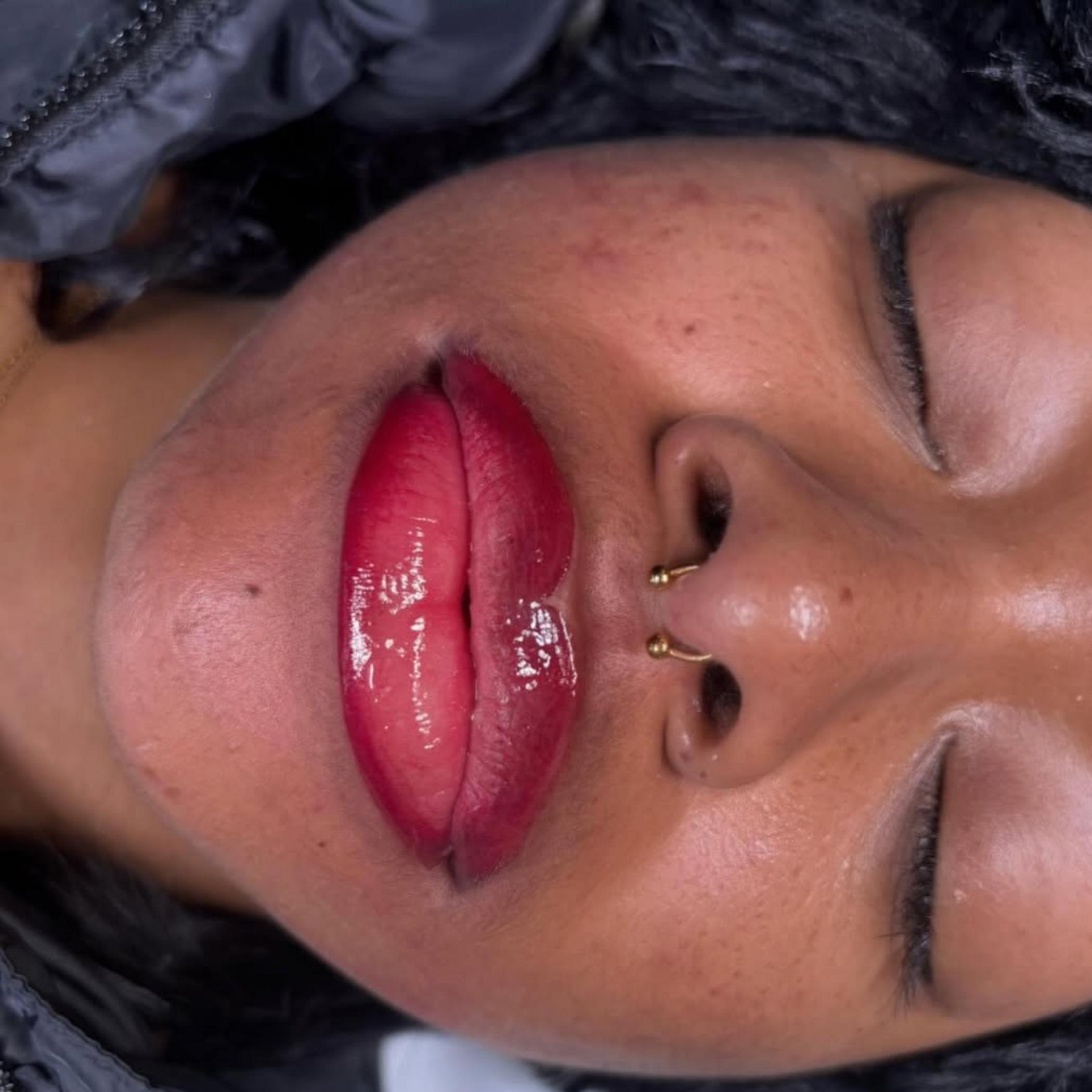
The short of it? Lip liner pigment migration is a genuine risk, but most of the time it’s because of bad planning, bad placement or bad product choices – not because of cosmetic tattooing itself. A good artist who understands anatomy, uses proper PMU pigments, and gives decent aftercare advice can make a big difference in avoiding a blurred border. For those considering enhancement, a lip line tattoo could be an option.
So if you’re in Melbourne and need an honest chat before booking, Cosmetic Tattoo Studio Melbourne Face Figurati is here to sort you out. I’m Olha Po, and I’d rather give you a reality check than sell you something you’ll live to regret. Still not sure if a lip blush is the right treatment for you? Get in touch with Face Figurati — I’d be happy to have a chat with you about it.
Summary: Lip pigment migration can occur – and it’s more likely to happen if you’re getting a deep lip liner, overlining, using the wrong type of pigment, or failing to take good care of yourself afterwards. To avoid any problems, it’s best to go with a skilled artist, manage your expectations, get the right kind of aftercare, and watch for any early blurring.
FAQ
What are some of the potential side effects of lip micropigmentation?
You might get swelling, tenderness, dryness, flaky skin and a temporary patchy colour. And then there’s the less common risks – like getting an infection, having an allergic reaction, having the colour fade fast, or the whole thing just migrating away.
What kinds of problems can happen with lip blushing?
Well, the colour might end up healing too cool, too bright, or all patchy. And if things don’t go right, you might be stuck with blurred borders, a colour that’s way too dark, or be considering correcting lip border asymmetry if there’s scarring or just a result that looks all wrong on you.Is lip embroidery actually safe?
It is if you’re working with a qualified artist who uses proper tools and products. But, no – it’s not some risk-free thing. If your artist doesn’t have the right training or hygiene, or uses lower-end products, there’s a higher chance of something going wrong.
How long does the ‘ghosting’ of lip blush last, anyway?
Usually, about 1 -3 weeks. But you won’t really know how it’s going to turn out until 6 – 8 weeks have passed.
Can you get rid of migrated pigment for good?
Sometimes, yeah – but it’s not always a one-and-done deal. It really depends on what kind of pigment you used, how deep it was, and how your skin reacts. And whether or not you can even use a laser to get rid of it is another story.