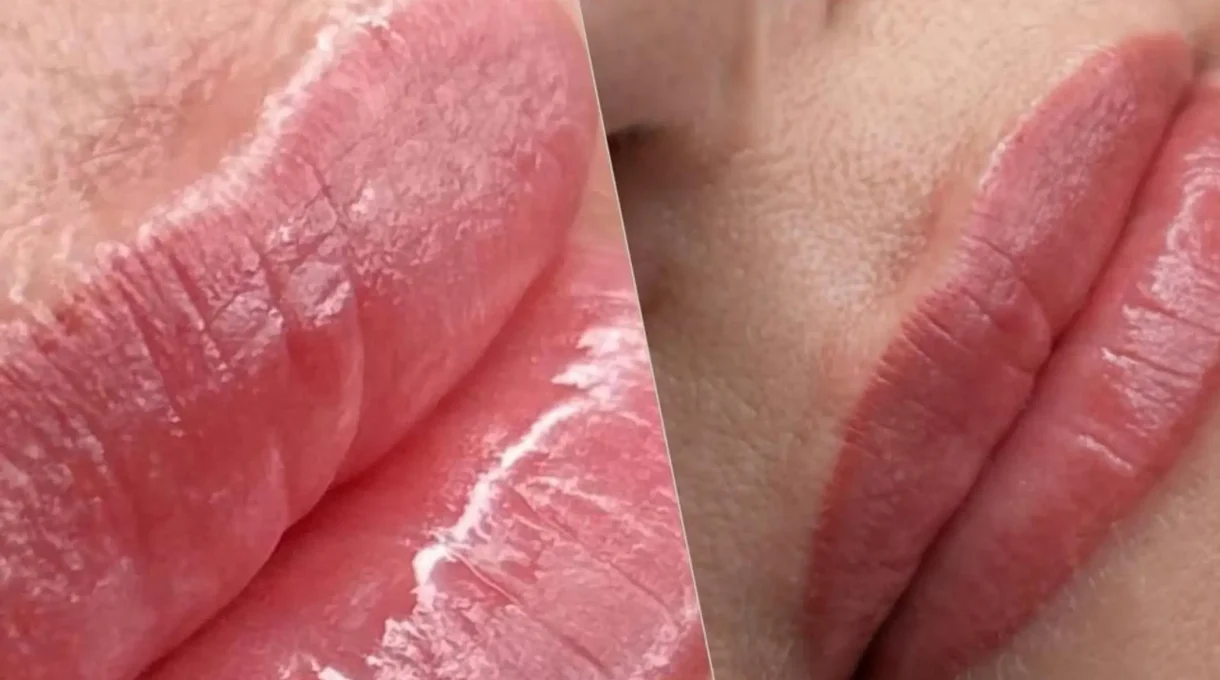
Cleft lip restoration tattoo can help redefine the cupid’s bow after adult cleft lip surgery by restoring the lip edge, softening visible asymmetry, and blending scar-related colour loss in a natural-looking way. So if you’re toying with the idea of a lip tattoo for men in Melbourne, the answer is pretty simple: with a skilled hand, you can get the shape of your upper lip sorted and make the whole thing look a heck of a lot more balanced – without it looking like you’ve ‘done’ your lip.
I’m Olha Po, founder of Cosmetic Tattoo Studio Melbourne Face Figurati, and I’ve been working with clients who are after subtlety and realism like me for over 7 years now. For adult cleft repair clients, that usually means a delicate vermilion border touch-up, a bit of colour adjustment, and some realistic planning around what happens with the scar tissue as it heals, and when you need to touch it up.
A Warm Consult First
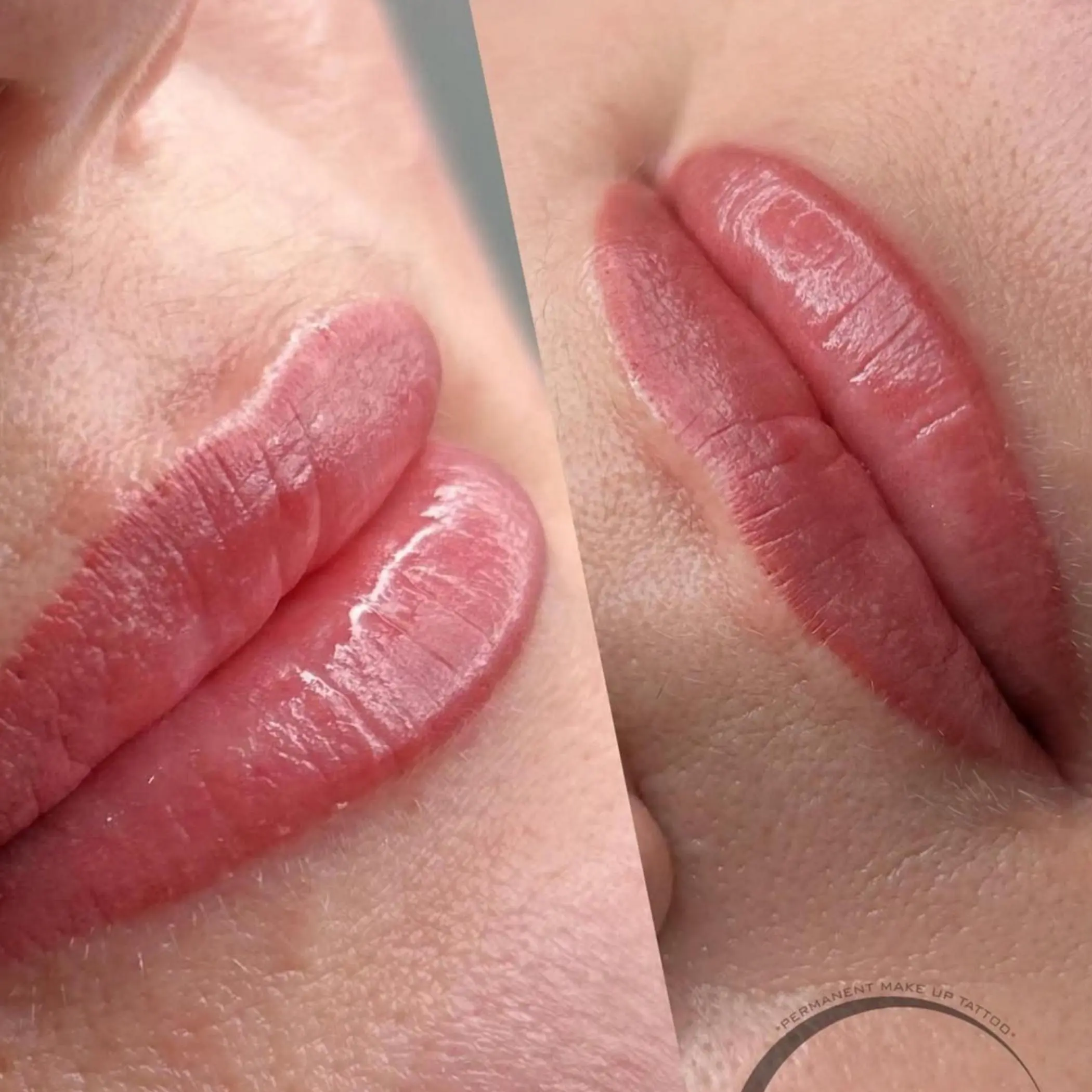
If, like me, you’ve had cleft lip surgery as a kid or adult, you know that the lip can look healthy on the inside but still look a bit dodgy at times – especially when you catch it in certain light or up close in photos or in conversations with mates. That’s where a paramedical lip tattoo can help – not by changing who you are, but by refining what surgery has already done & giving that Cupid’s bow a bit more going on.
At Face Figurati, I make sure to explain all this clearly: we are tweaking the definition, not creating some fake lip line that just looks out of place. The goal is to give the guy who booked the procedure a lip restoration that reads as his own lip, just with a bit more evenness & a lot less interrupted by scar tissue.
Rebuilding The Shape
For most of my adult clients, the problem lies with the vermillion border, the philtrum columns & the central dip of the upper lip. After a repair, especially if they’ve gone with the Millard technique, the Cupid’s bow can often look a bit flatter & more uneven on one side, with a scar line running through it or a big old patch of lighter colour where the pigment went missing.
A good restorative lip tattoo uses microscopic little bursts of colour to rebuild that visual border. I take a close look at the lip, making sure the new shape follows your natural contours and not some trendy makeup template. Sometimes the best result is just to fill in the missing bit of the border. Other times, I need to do a bit of colour correction all over the upper lip so the repaired area blends in seamlessly.
What Guys Usually Want
Most of the guys who come in for this treatment don’t want the cosmetic-tattoo equivalent of ‘lip blush for men’; all they want is for their lips to look healthy, even, and not like they’ve had it done. Some opt for lip tattoo lipstick techniques that enhance the natural color. Which means I usually go for naturally matching tones and steer clear of bright colours or fashion-based shades.
What sometimes catches guys off guard is that subtle work can be a lot trickier than obvious work. Getting a natural-looking Cupid’s bow tattoo to look like your own lip is all about restraint. Too dark, too crisp or too wide and it’ll draw the eye right to it instead of softening it.
Who Does This Treatment Suits
This treatment is really best suited to adults who’ve got a stable surgical result and are looking for a bit of a tidy-up, rather than another surgical intervention. If your scar is old and your lip shape has settled, medical tattooing for cleft lip work is definitely worth considering.
To be honest, I don’t rush people into booking – in the clinic, I’d rather wait a bit longer and get the timing right than put some ink on tissue that’s still messing about, inflamed or unpredictable.
Good Timing Matters
When it comes to getting the timing right, the key is that your scar should be fully healed and medically stable before you start tattooing. Lots of my colleagues like to wait at least 6 to 12 months after surgery, though the exact timing will depend on what your surgeon says, the scar’s maturity, how red it is, and how thick the tissue is. And then there are the times when you’ve had a revision, steroid injections, laser or needling treatment – that all impact timing too.
If you are having just one session, you should be aware that we’re talking about some improvement in the shape and colour balance, rather than perfection. Often, managing scar tissue is a staged plan, especially if the retention is patchy in the first go.
When I Tell Clients To Wait
- Active cold sores or cracked lips, or a case of dermatitis
- You’ve had surgery or a scar revision in the recent past
- Uncontrolled diabetes or other immune issues, unless you’ve got medical clearance
- You’re taking isotretinoin or any other medication that can affect how well you heal
- Expecting a single session to erase a scar completely
What Happens On The Day
First of all, a good result starts long before the machine ever gets fired up. I spend a lot of time (and I mean a lot) on consultation, mapping out what needs to be done, and explaining to you what the lip can realistically cope with. Scar tissue just isn’t the same as untouched skin – and I’ve seen so many people get disappointed because they were sold a different story.
At Cosmetic Tattoo Studio Melbourne Face Figurati, hygiene is paramount, and planning is rock solid. I only use certified pigments, top-notch equipment and single-use sterile gear, with the strictest cross-contamination control.
Step-By-Step In Clinic
From start to finish, our appointment usually lasts 2.5 to 3.5 hours. To begin, we’ll take a good, hard look at your scar texture, lip symmetry, and any colour loss. Next, I’ll sketch out where I think the proposed border and central bow shape should go. That’s a great time to chat through what “natural” looks like to you – and trust me, that’s a huge subject of debate.
Once we’ve had that conversation, I’ll apply a numbing anaesthetic (when necessary) and start working on the tattoo in super-gentle layers. I often mix and match line reinforcement and soft pixel shading to get the vermillion border tattoo looking its absolute best – even once it’s fully healed. Most clients find they can head back to work the very next day, though your lips might look a bit more vibrant for the first few days.
Prep and Aftercare
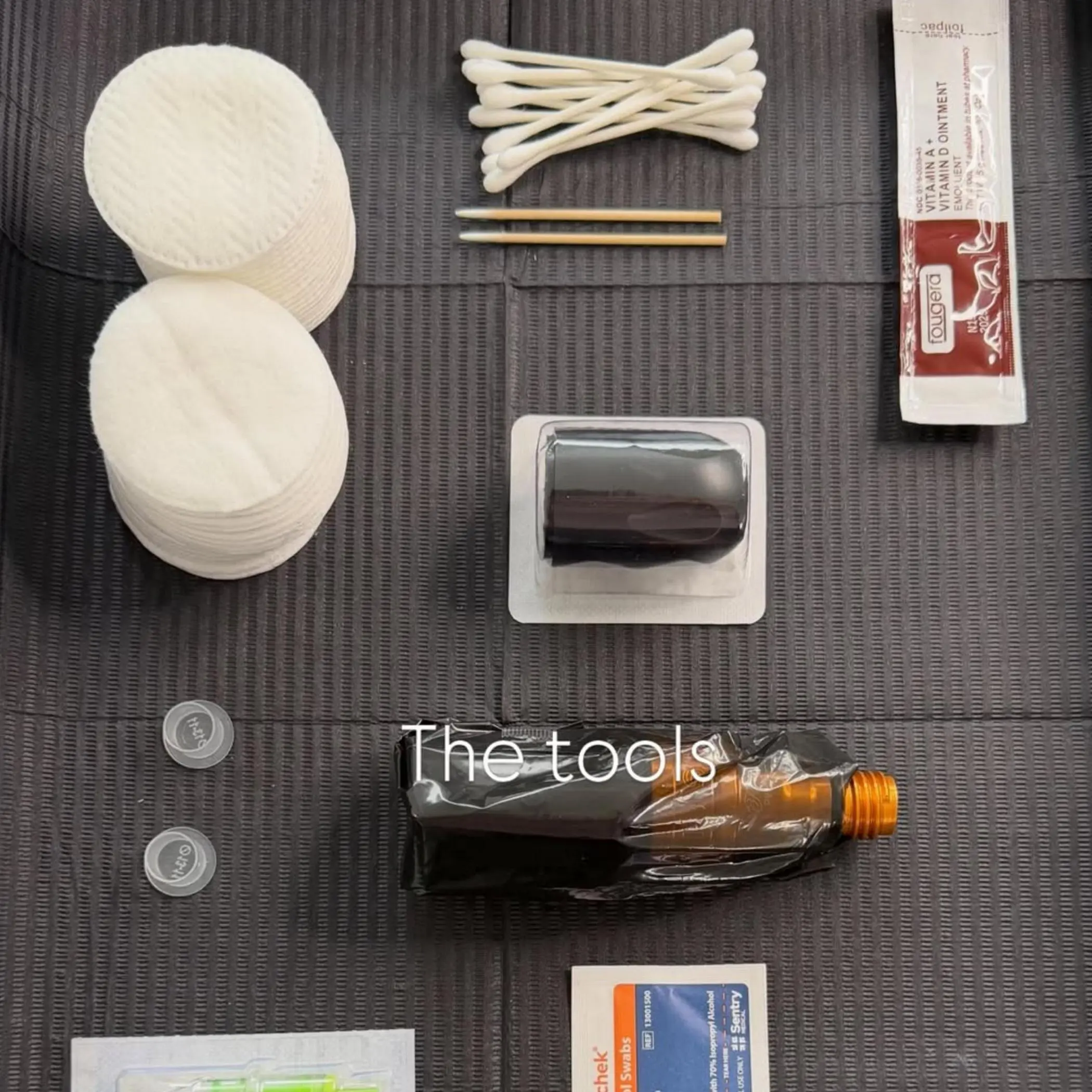
Now, I know some people don’t give a whole lot of thought to this stuff, but trust me – the checklists I give to my clients are super important. Here’s the rundown I give to them:
- Please try to avoid booze, blood thinners and really heavy exercise in the lead-up to the appointment, if your medics say it’s okay to do so.
- Make sure to keep those lips nice and hydrated in the run-up to the appointment, but don’t go overboard on exfoliating the scar tissue – that can make things worse.
- If you’re someone who gets cold sores and your doctor gives the all-clear, antiviral meds are a good idea.
- After the treatment, just keep the area clean and dry, and try to avoid getting it chafed or rubbed up against anything that might irritate it – spicy food and really strong sun can be particularly tricky.
- Whatever you do, try not to pick at the flakes – Melbourne weather can be brutal, and it’s super tempting to just pick at them, but that really does affect the pigment retention.
Healing Needs Patience
This is the part of the process where people tend to underestimate how much patience you need. The lip looks pretty sharp after the treatment, then softens up once it’s had a chance to heal. Sadly, expectations vs reality are a big issue here – the fresh result is not going to be the final result.
And then, of course, there’s the weather. Melbourne can be a nightmare when it comes to wind, dry air and UV levels – all of which can make life difficult if you’re not careful.
Typical Recovery Stages
| Stage | What You May Notice | What I Tell Clients |
| Day 1-3 | Swelling, stronger colour, tenderness | Keep it clean and don’t judge the final shade yet |
| Day 4-7 | Dryness, light flaking, uneven appearance | Totally normal; don’t pick or scrub |
| Week 2-4 | Colour looks lighter or patchy | This is the settling stage, especially on scar tissue |
| Week 6-8 | True healed result visible | Assess if a touch-up session is needed |
Retention And Extra Sessions
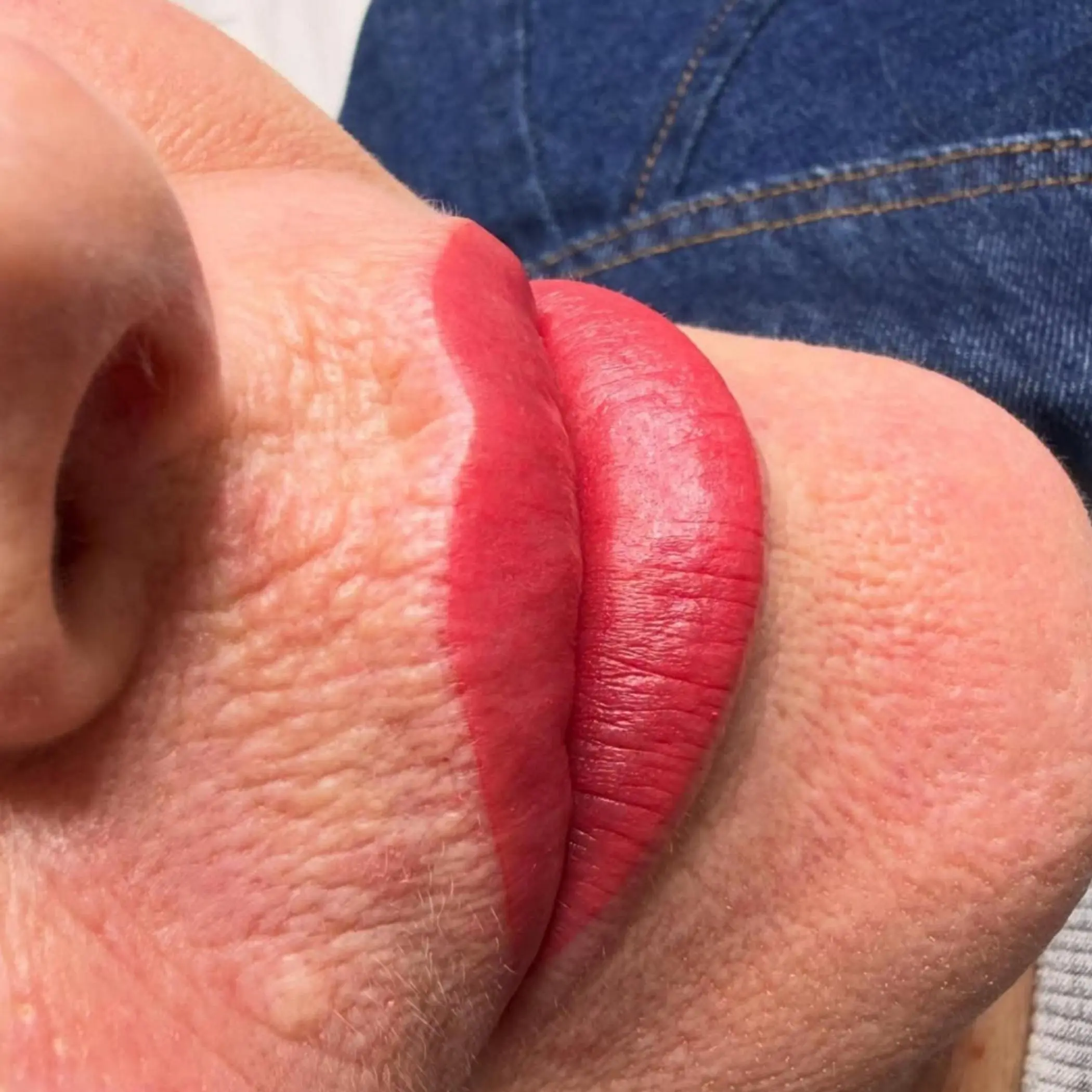
Scar camouflage tattoo work – it’s usually a 2-session job, three if the skin is really stubborn. Fresh surgical scars and thick fibrotic tissue struggle to hold onto the ink, which is one reason even the most experienced artists tend to play it safe.
In my Melbourne studio, the current pricing for restorative lip tattoos varies from around $450 to over $900 per session, depending on how complex the scarring is, how convoluted the pattern is, what correction work needs to be done & whether they need to get microneedling or lip scar camouflage done beforehand as well.
Scar Work Is Different
Not all scars take the ink evenly, & it’s where experience really makes a difference. A green artist might go after those pesky uneven spots with a bit too much enthusiasm, only to create some nasty side effects like migration, overwork or a border that stands out like a sore thumb once it’s healed.
The truth is, sometimes the best results come from combining treatments rather than trying to get the tattoo to do all the heavy lifting on its own – it’s a hard truth to swallow, but it’s an important one to understand.
Adjunct Options That Help
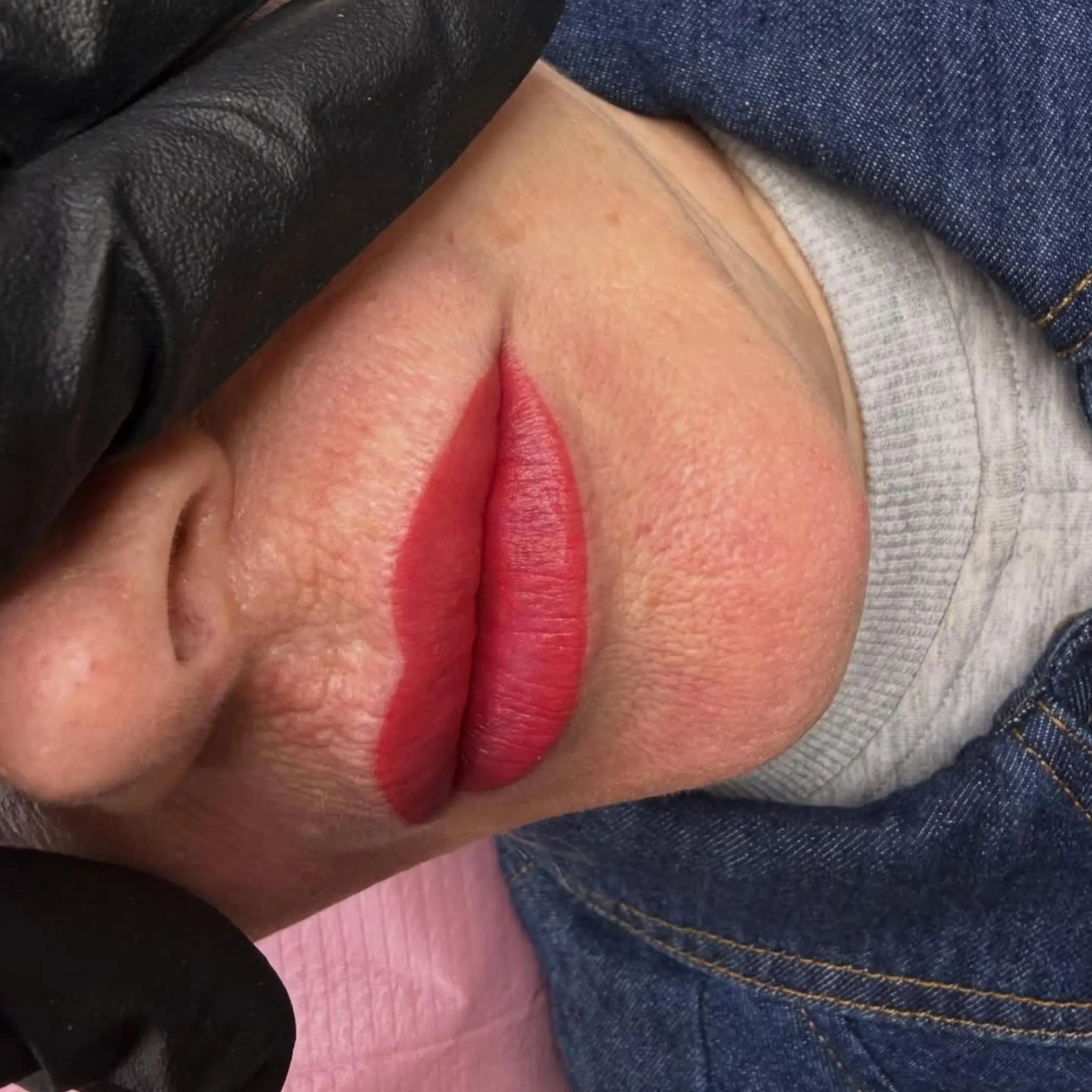
Some clients really benefit from getting microneedling before the tattooing process; it helps with texture and managing that nasty scar tissue. Others just need some gentle colour correction and staged camouflage. I take a close look at the scar to see if it’s pale, pink, raised, tethered, or just plain missing some definition, because each one needs a different approach.
I’ve seen a lot of clients come in after being told that a single scar camouflage tattoo would “fix everything” – and more often than not, it won’t. A good restorative plan is far more honest than some flashy before-and-after pic. The discussions around medical tattooing on Raedenman also make a strong case that scar revision with pigment largely depends on the individual case.
Choosing The Right Artist
If you’re getting a cleft lip restoration tattoo, qualifications and portfolio are way more important than price alone. You need someone who really gets lip anatomy, how scars behave, infection control and natural colour theory for men.
And if I had to suggest one thing – look for an artist who is comfortable saying no to a client. It sounds a bit odd, but it’s actually a really good sign that they care about the long-term results.
Safety And Red Flags
| Look For | Avoid |
| Healed scar examples | Fresh-only photos |
| Clear aftercare advice | Claims of zero downtime or permanent perfection |
| Certified pigments and sterile tools | Vague answers about hygiene |
| Experience with corrective cases | One-size-fits-all lip templates |
You’ll probably have picked up on the fact that most top-notch educators are saying the same thing, just in slightly different words: a good assessment of lips & scars isn’t something you can rush; you need to put in the proper time and effort. Some common mistakes with getting a lip tattoo include picking a colour that’s all wrong, extending the border too far, and trying to tattoo over unstable scar tissue before its ready.
A Practical Final Take
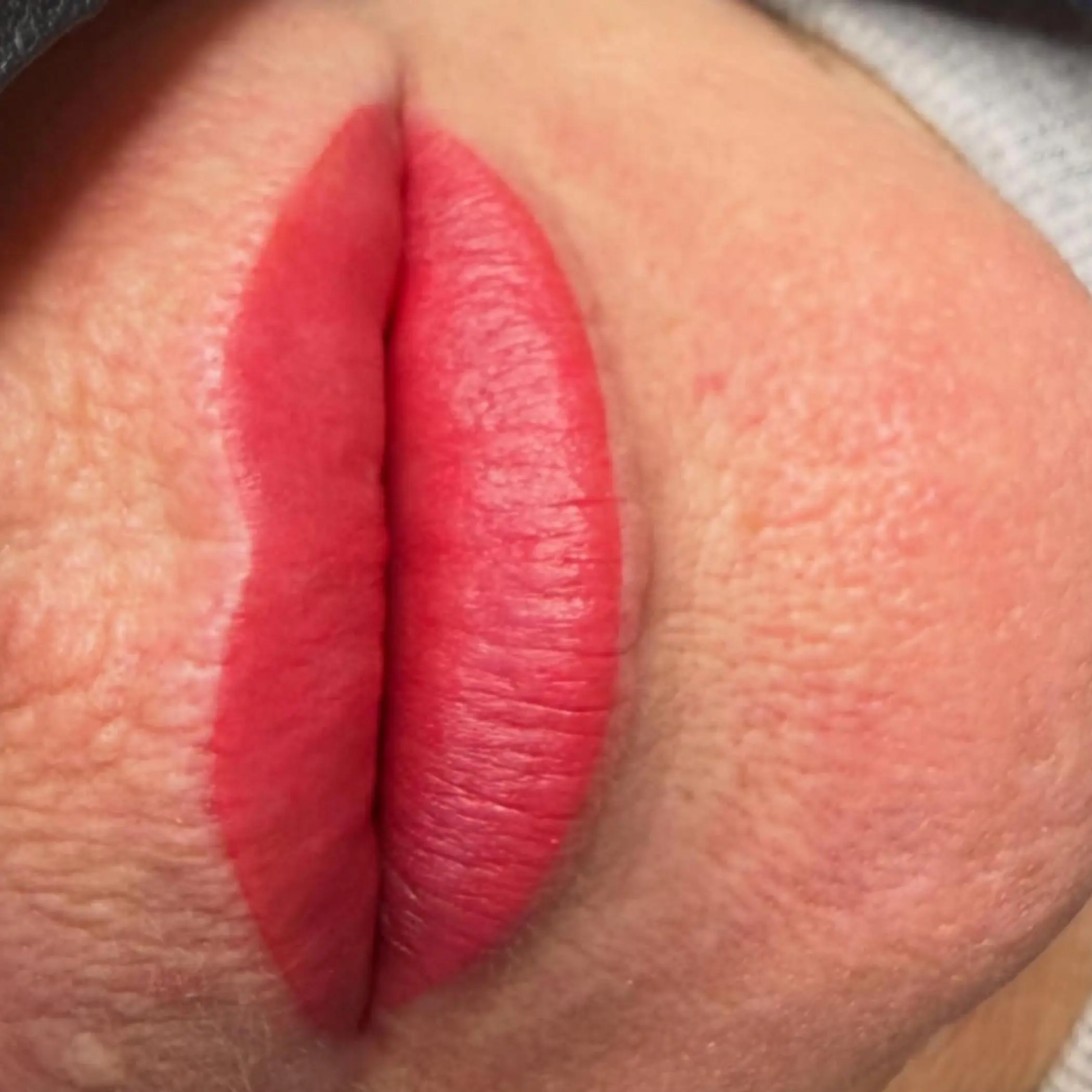
If you’ve had cleft surgery as a kid and your upper lip healed alright, but the Cupid’s bow still looks kinda unfinished, getting a cleft lip restoration tattoo is definitely something worth considering. But the trick to getting the best results is pretty straightforward: get the shape right first, then get the colour right, and only then worry about getting the density just right. That order may seem obvious to some, but trust me, it makes all the difference.
At Face Figurati, I know each of my clients gets a custom plan tailored to their unique facial architecture, the pattern of their scar, and how their skin responds to the work, but even if you’re still not sure if a lip tattoo for men is the right thing for you, I’m always happy to take the time to walk you through it all in a straight-up and honest way – just get in touch with me.
FAQ
What are the downsides of getting a lip tattoo?
The bad news is you can expect some temporary swelling, not everything will heal nicely and evenly, and it’s pretty much a given you’ll need a few touch-ups to get the results you want. And as if that wasn’t enough, on scar tissue, it can be tough to get the colour to take evenly and accurately.
How can a cleft lip scar be made to look less noticeable?
Well, it’s a bit of a combination, really: lip scar camouflage, restoring the vermilion border, and in some cases, microneedling can all help reduce the appearance of the scar. But the best method will depend a lot on the colour and texture of the scar itself.
What exactly is the Millard technique?
The Millard technique is a fairly common surgical method that’s used to repair cleft lips. It helps rebuild the lip, but it’s worth noting that some adults still seek out tattooing later in life to add additional colour and refine the border.
What are some common mistakes to watch out for when getting a lip tattoo?
Well, for starters, a lot of people end up making poor colour choices for their tattoos: they overdo the borders and try to get them done before the scars are fully healed. And unfortunately, all those mistakes can make the lip tattoo look less than ideal and often make asymmetry much more noticeable.
Will a lip restoration tattoo for a man look obvious?
Not if it’s done right. A good lip restoration tattoo on a guy should look nice, balanced, and pretty much impossible to spot in everyday light.