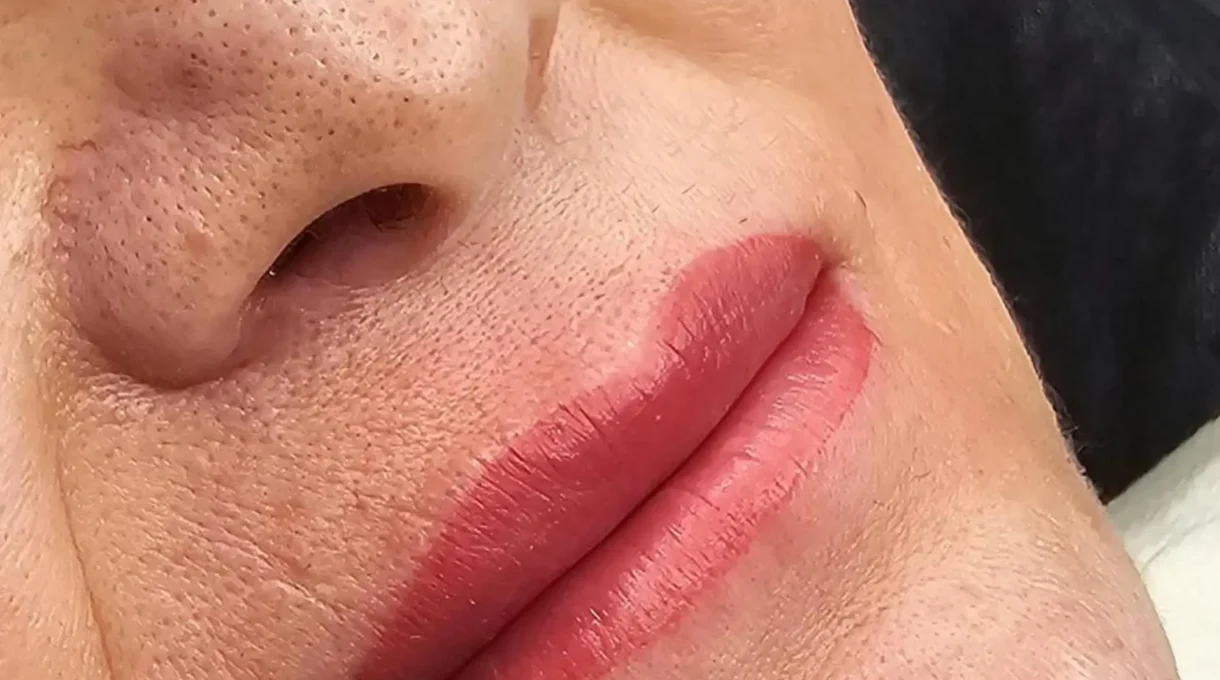
Aquarelle lips tattoo ghosting saltwater surfing… its a potentially toxic mix during the healing process: being out in the ocean daily can irritate those delicate new lips, set back your pigment recovery time, and put you at risk of infection with every wipeout. If you surf more often than not, the safest bet is – wait till the fragile ghosting phase has completely passed and your lips are fully sealed before getting back in the water.
I’m Olha Po, founder of Cosmetic Tattoo Studio Melbourne Face Figurati, and I’ve been working in permanent makeup down here in Melbourne since 2016. I’ve seen heaps of clients get great results from aquarelle lips, and also the opposite – I’ve seen what happens when people dive back in before their lips have fully healed. Usually its not some sort of disaster movie type situation – its just a pain in the neck: patchy retention, even drier than normal skin, faded borders and needing to come back in for a follow-up sooner rather than later.
Your Quick Consult Answer
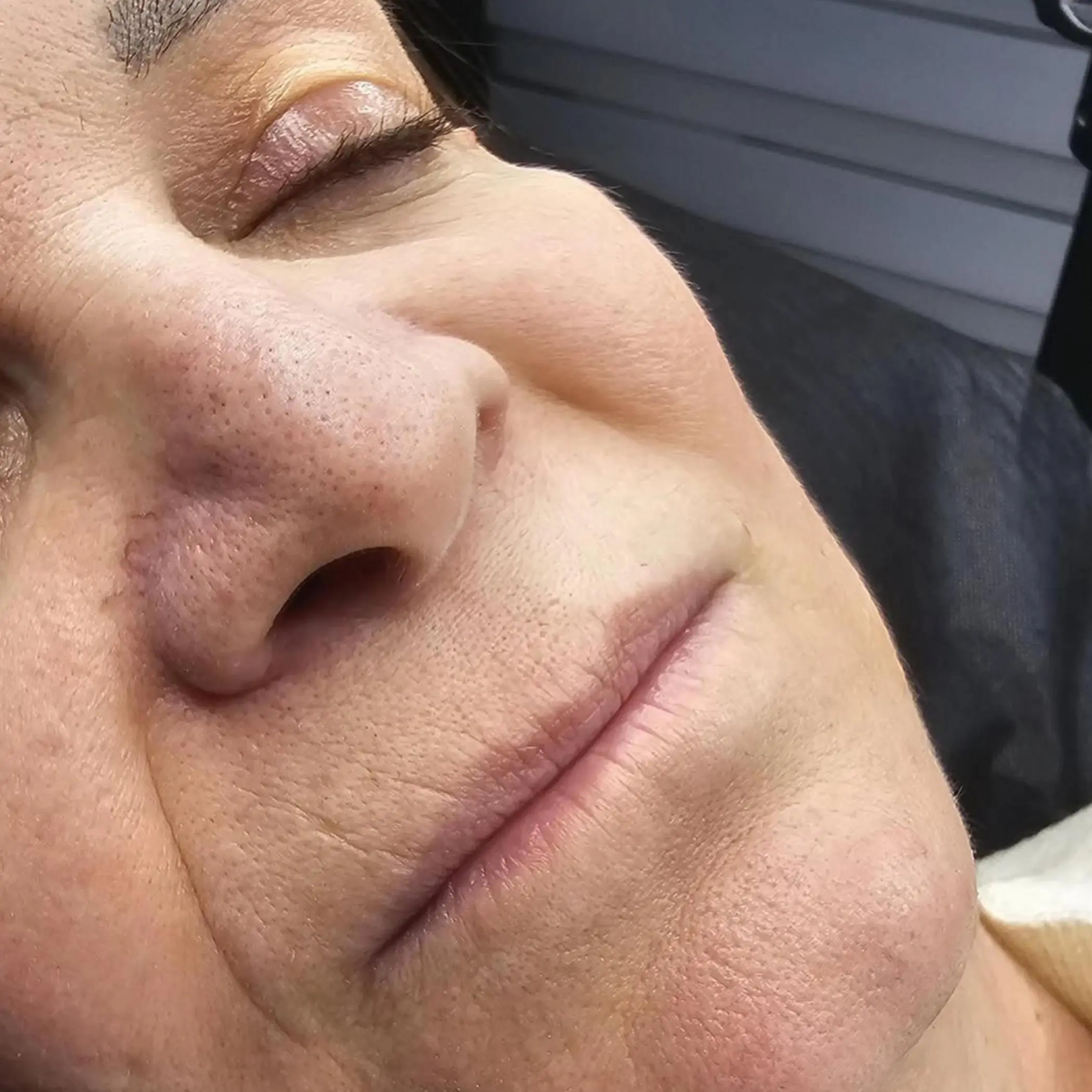
Alright, the straightforward version: until the lip tattoo ghosting phase is over, heading to the beach every day is probably not a good idea and can actually work against the look you want. We’re talking thin, delicate lip tissue here – it just doesn’t like being exposed to salt, sun, wind, bacteria and all the regular friction of surfing while the pigment is still settling.
At Face Figurati, I always tell my surfing clients to schedule their appointment to fit around their ocean time, not the other way round. Trust me, it’s way easier to get a beautiful lip blush looking just right in the first place than it is to try and fix the damage after it’s happened.
What Ghosting Really Looks Like
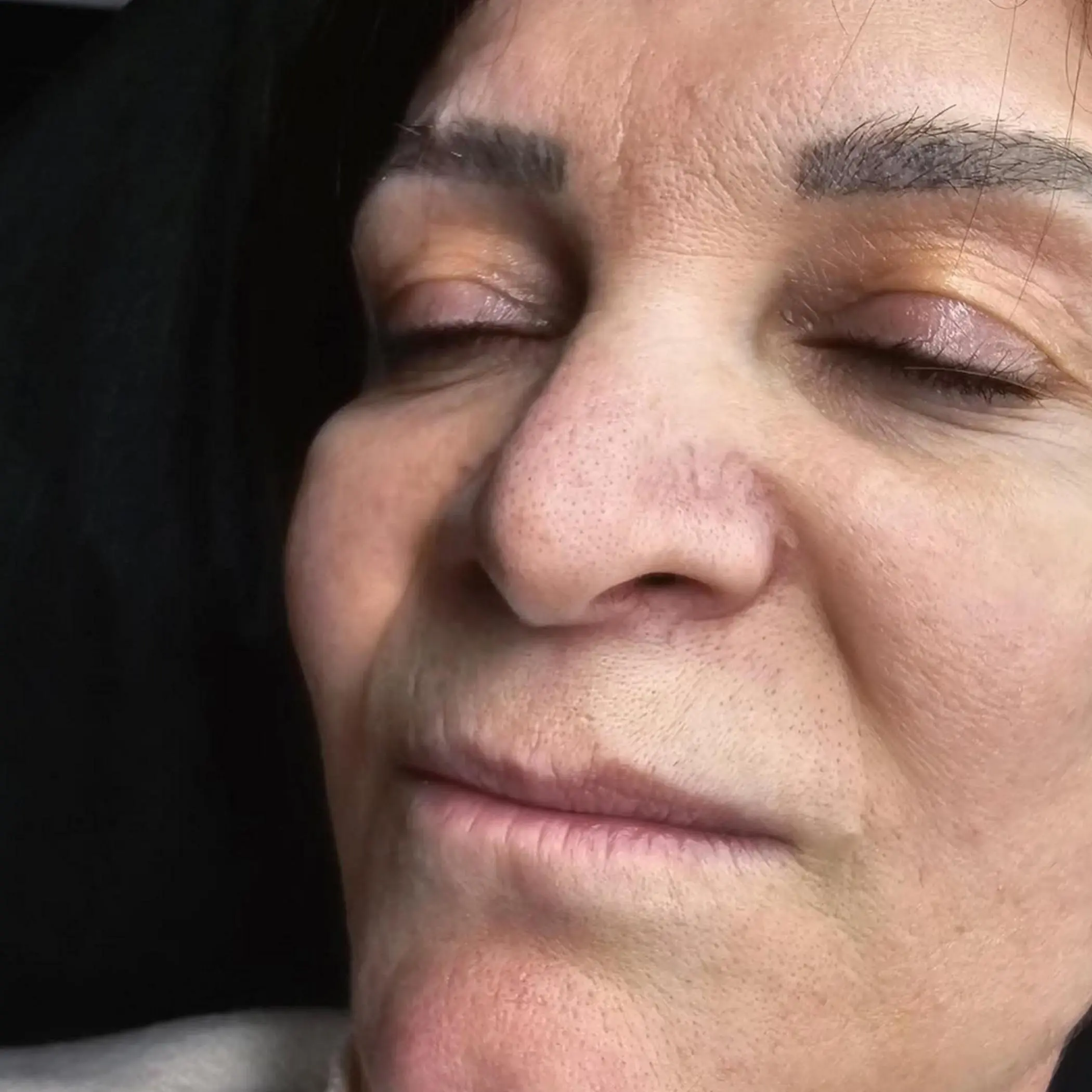
So the lip tattoo ghosting phase – that’s the bit where the colour just looks like its vanished or gone very light and soft after the initial excitement of the first few days. It usually kicks in after the initial scabbing and peeling, anywhere between 5 and 10 days in. Still, it can depend on a bunch of different factors like your skin type, immune system, how you’re looking after yourself after the procedure and your overall lifestyle.
The thing that really catches clients off guard is just how much it can look like the pigment has just vanished – but it probably hasn’t, its just sitting under a fresh layer of healing skin and needs time to settle properly. Thats why I always tell people to take a deep breath and not to look at their results too early or get in contact to freak out at me from the beach car park.
Typical Healing Stages
| Stage | Typical Timing | What You May Notice | Surfing Risk |
| Fresh Colour | Day 1-3 | Brighter, tighter, drier lips | Very high |
| Scabbing And Peeling | Day 3-7 | Flaking, tenderness, uneven surface | Very high |
| Ghosting Phase | Day 5-14 | Colour looks pale or patchy | High |
| Colour Return | Week 2-6 | Soft tone gradually reappears | Moderate if fully closed |
| Touch-Up Review | Week 6-10 | Assess retention and shape | Safer by then |
Why Ocean Sessions Interfere
Saltwater and lip tattoo healing – it’s just not a good mix in the early stages. Every time you’re out in the ocean, you’re putting a strain on that healing tissue, which can affect how comfy you are and whether the colour holds up.
Most people overlook the fact that it’s not just the salt causing the problem. No, it’s the whole combo – saltwater irritation, the sun beating down, the wind exposure, dehydration, and all the bacteria in the ocean. That’s a whole lot worse than just splashing around in the water for a bit.
Salt, Sun, and Bacteria Effects
Saltwater tends to dry out your lips and can sting if you’re just out of the tattoo chair. If you get some ghosting going on, that dryness can make your skin surface crack and feel unstable while the pigment is still settling in. Add some Aussie sun into the mix, and you’re asking for trouble, because UV can cause fading and irritation.
Then there’s the bacteria issue. Now, some people might swim in the ocean every day and be perfectly fine, but when you’ve got a lip tattoo that’s still healing, you’re playing with fire – and the risk of infection is literally a real concern.
What We See In Studio
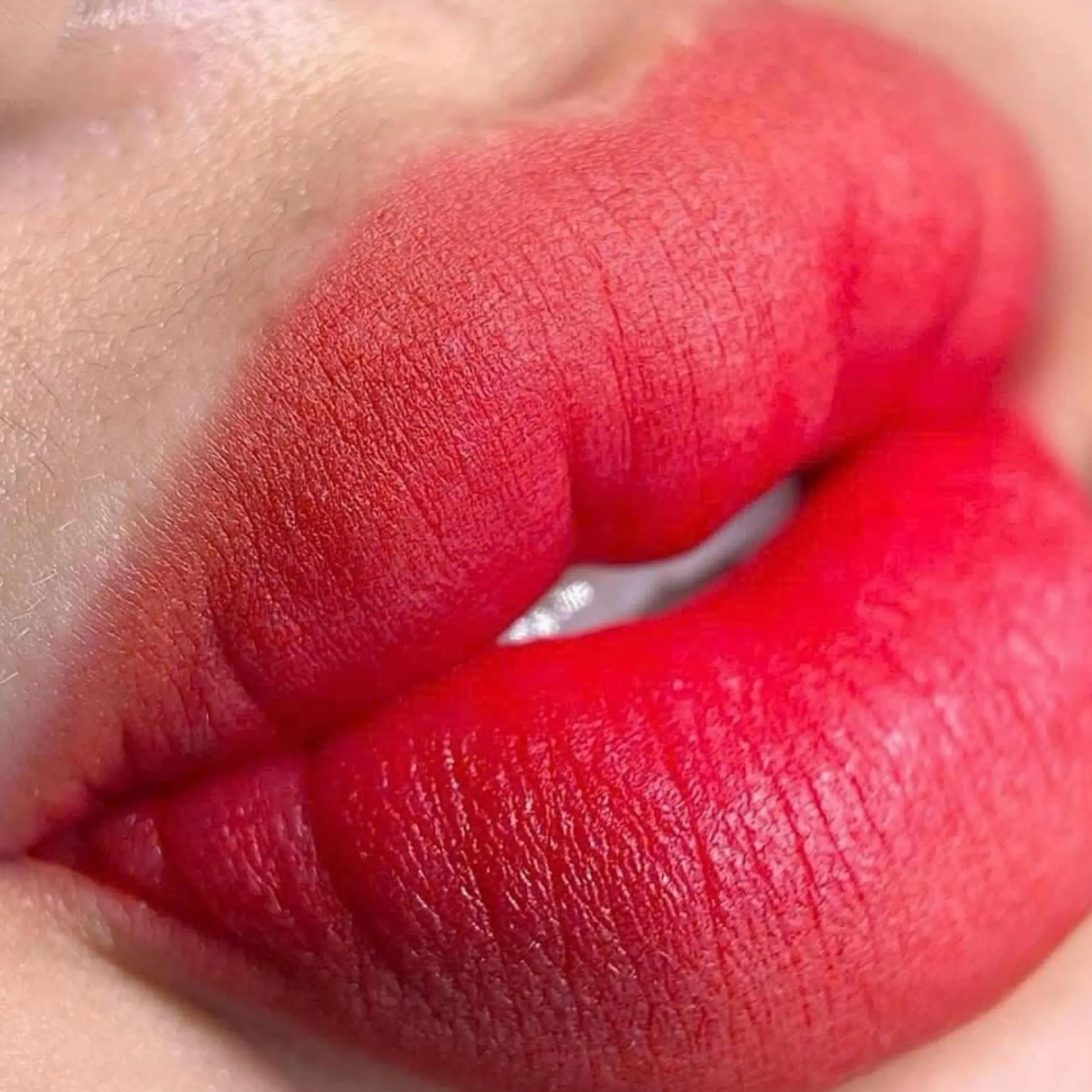
One of our clients in Melbourne had an Aquarelle Lips booking coming up and decided to go surfing just a week later. Nothing looked infected, but when her tattoo healed, it came out lighter in the centre and drier on the edges. We were able to fix it up a bit at her touch-up, but it still cost her more in the end than if she’d just waited it out.
That’s the problem – people think they can just get a touch-up and all will be okay, but a lip tattoo touch-up is there to fine-tune a normal healed result, not rescue your aftercare mistakes.
Risks Worth Taking Seriously
I’m not trying to be the bearer of bad news here, I just want to help you avoid wasting your time and money. Surfing after your lip tattoo during the ghosting stage doesn’t necessarily ruin the result, but it does increase the chances of uneven healing.
If you’re investing in quality work, good pigments, and safe technique, it makes sense to protect your result for the short window that matters most.
Main Problems I Watch For
- Lip tattoo fading from all that soaking and irritation
- More noticeable scabbing and peeling from dryness and wind
- Infection risk from getting in the ocean with non-sterile water and all the bacteria lurking in it
- UV fading, especially if you’re surfing in full sun without any protection
- Friction from towels, wetsuits, or bad lip-licking habits after a surf session
Expectation Vs Reality
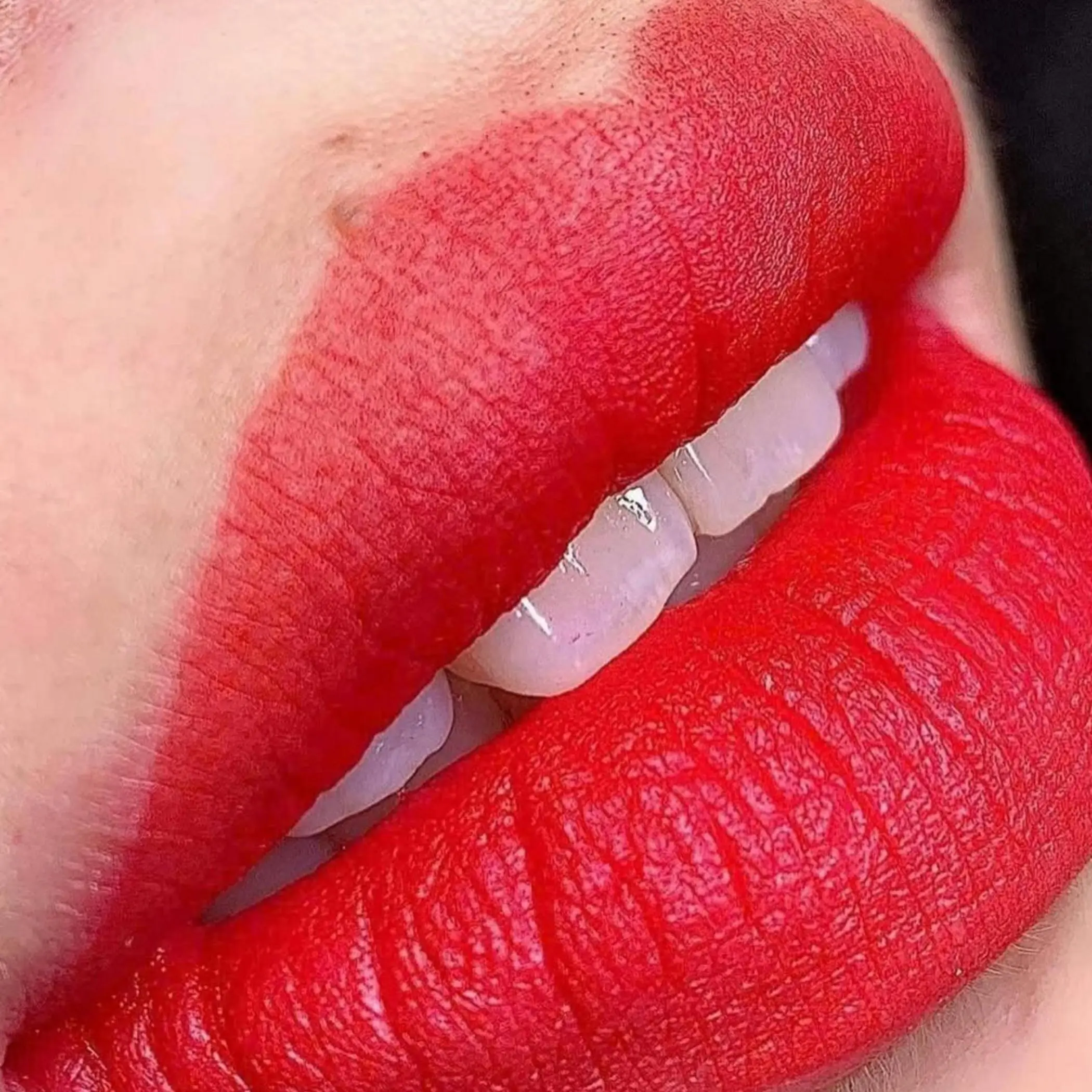
Expectation: ‘A lip blush is just a soft colour, so the ocean wont be a big deal’ Reality: Aquarelle Lips is still a form of cosmetic tattoo, and trust me, your lips heal differently from the rest of your face. Expectation: ‘If the colour fades a bit, I’ll just need to go back in for a second session.’ Reality: One session can often leave you with a lovely soft tint, but show the ocean too soon, and you’re looking at a patchy result that may even need a more involved second appointment.
Best Wait Time For Surfers
If you want the best aftercare advice for avoiding the ocean after getting a lip tattoo, I’d say wait at least 10 to 14 days before hitting the waves again, and longer if your lips are still dry, flaky, sore, or not fully closed yet. For each of you non-stop surfers out there, desperate to get the best out of your lip blushing treatment, 2 to 3 weeks is probably a more manageable target.
Melbourne’s weather can make it pretty tough to stick to this plan, though. Those windy beach days, sudden cold snaps, and long summer days all add extra stress to taking care of your lip blushing after Australia.
Practical Timing Guide
| Surf Schedule | Risk Level | Likely Outcome |
| Within 3 days | Extreme | High irritation and poor retention risk |
| Within 1 week | Very high | Ghosting may look worse and heal unevenly |
| After 10-14 days | Lower | Safer if lips are closed and calm |
| After 2-3 weeks | Best | Better comfort and stronger retention odds |
If You Absolutely Must Surf
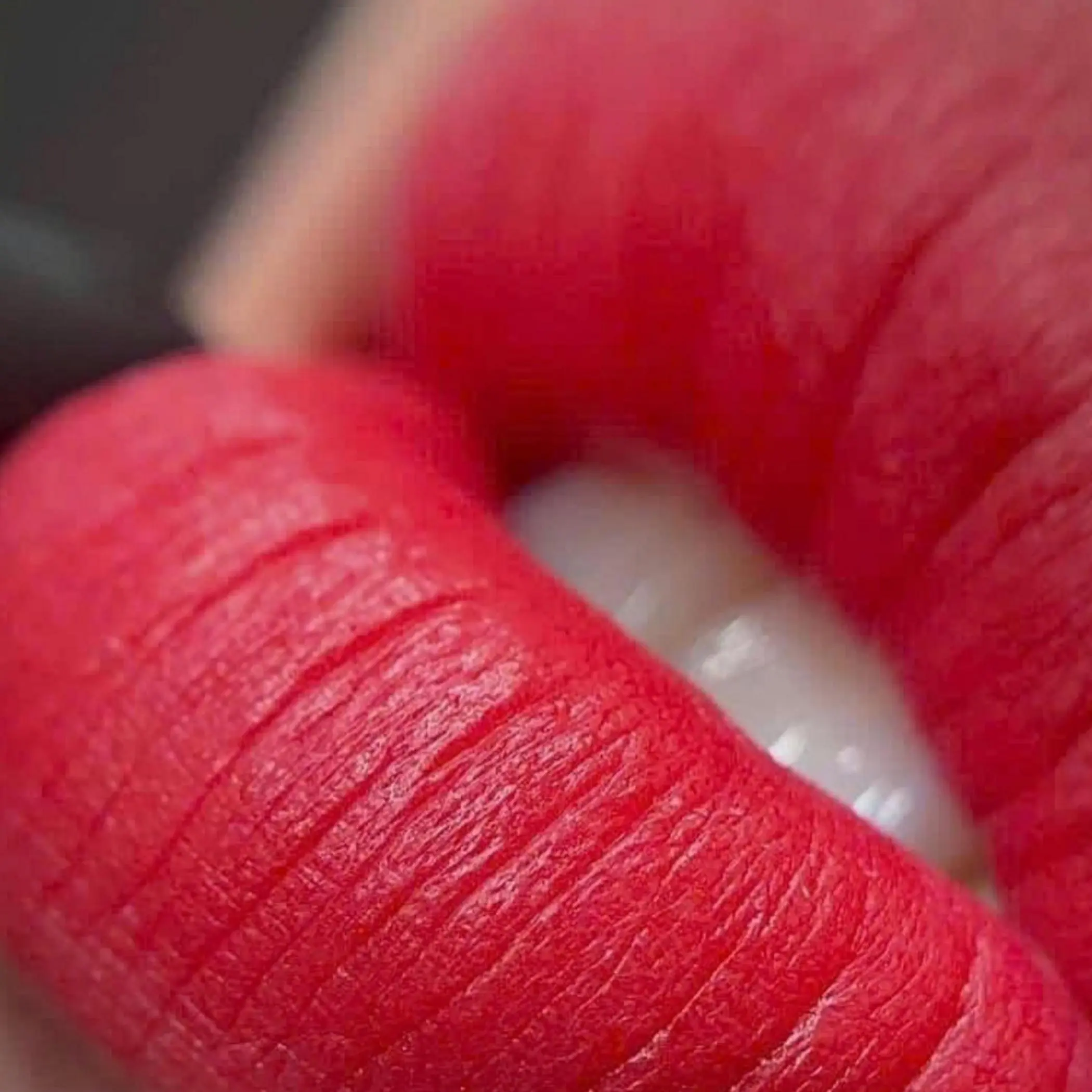
Life can get in the way – you’ve got a trip coming up, or you’re just one of those people who live to get in the water. If you just can’t help yourself and have to surf, then at least do some damage control – but let’s be honest, it’s no substitute for just staying out of the ocean.
At Cosmetic Tattoo Studio Melbourne Face Figurati, I’d rather give my clients some practical advice to fall back on than pretend they can all just curl up with a straw and good intentions and stay indoors.
Protective Steps That Help
- Try to put off your first ocean session for as long as you possibly can.
- Use that aftercare cream I recommend – usually a barrier type, but don’t go overboard and smother the lips.
- Keep your surf sessions down to a minimum and avoid wiping out if you can.
- Rinse your lips with fresh water as soon as you get out of the ocean.
- Reapply the aftercare cream with clean hands and try to keep your lips out of direct sunlight.
Some clients ask me about using Saniderm on their lips. I find it’s not a reliable long-term solution for healing lips, to be honest – lip movement, moisture and eating all make it pretty impractical for most aquarelle lips cases. Protective clothing can be great for keeping skin dry in general, but they don’t solve the problem of direct lip exposure – that’s still something you need to sort out. Surf media like The Inertia are always talking about protecting healing tattoos while water-sports-ing, and the basic idea is sound: the less your healing skin gets wet, the better.
When To Get Help Fast
Some things are normal – a bit of tightness, dryness, mild tenderness and some patchiness are all to be expected. But some things are not – and in those cases, common sense beats dodgy internet advice.
If something looks or feels wrong, get in touch with me ASAP. If the symptoms are worse or you’re getting some system-wide problems, then see a GP. Better to be safe than sorry, and to have your clients try to self-diagnose from random comments online – no way.
Red Flags To Watch Out For
If you notice things are getting worse – swelling that shows up after a couple of days, redness that’s spreading, or pus, crusting, hot skin, a fever, pain that’s getting worse by the minute, or a really unpleasant smell, then don’t wait – get some advice – and fast. Also, keep an eye out for lips that aren’t healing properly, and for results that show major patchiness after the normal healing time. Other studios and pros agree with me on this: if you think you might have an infection, don’t try to fix it with balm – get to a doctor.
Plan For The Best Result
Aquarelle lips are ideal for people with a busy lifestyle, who love a softer look than a bold lip colour, and can’t be bothered with constant liner corrections. Or, if you’re one of those people who just can’t seem to keep a good liner going day after day. And of course, it’s also perfect for folks with pale or cool-toned lips who struggle to find a colour that doesn’t make their lips look even paler.
On the other hand, if you’re about to book a surf trip, or heading off to the beach for a week of sunbathing, or you know you just can’t follow aftercare instructions, maybe this isn’t the best time to get the treatment. In Melbourne, your initial session will set you back somewhere in the hundreds for the initial session, with touch-ups priced separately – its all dependent on how soon you want it done and how much colour you need to correct.
My Honest Takeaway
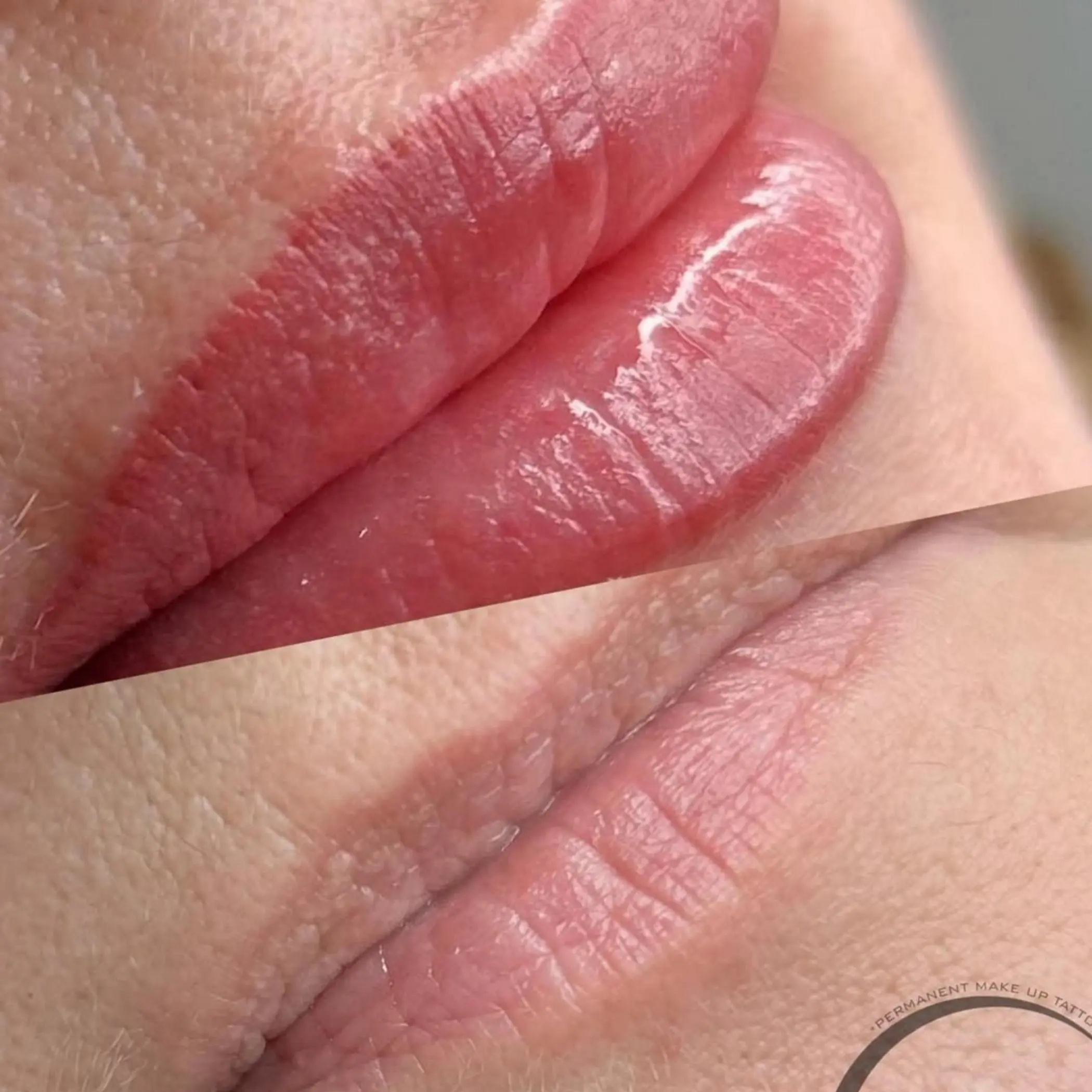
If you think protecting a lip tattoo while surfing is going to be a doddle – I’ve got news for you: it ain’t. You’ve got to get the timing right, follow the aftercare to the letter, and just be patient while the tattoo goes through that awkward ghosting phase. Still not convinced if lip blush is for you? Give me a shout at Face Figurati – I’ll guide you through the whole process.
FAQ
Does Saltwater Ruin A Healed Tattoo?
Yes – especially in the first 10-14 days. Salt, bacteria and getting the tattoo wet can all irritate the skin and mess with the pigment retention.
What Happens During Lip Tattoo Healing?
You’ll probably get a nice bright colour to start with, then it’ll start to dry out and flake, then you’ll go through the ghosting phase, and finally the colour will start to come back over several weeks – its a long process.
Which Days Are The Worst For Tattoo Healing?
For lips its usually the first 7 days – dry skin, scabbing and peeling, and colour that just doesn’t look right, making it a pretty tough time.
How To Keep A New Tattoo Safe While Surfing?
The best scenario is to just stay out of the water until the tattoo has had a chance to heal properly. If you can’t avoid it, try to limit your time in the water, slap on a light barrier ointment, rinse it out as soon as you can, and try your best to stay out of direct sunlight.
Will I Need A Touch-Up Because I Surf Too Early?
Might just have to. If you’ve been surfing too soon after getting the treatment, its likely that the pigment will be a bit patchy, and you may need to correct some issues at your touch-up session.