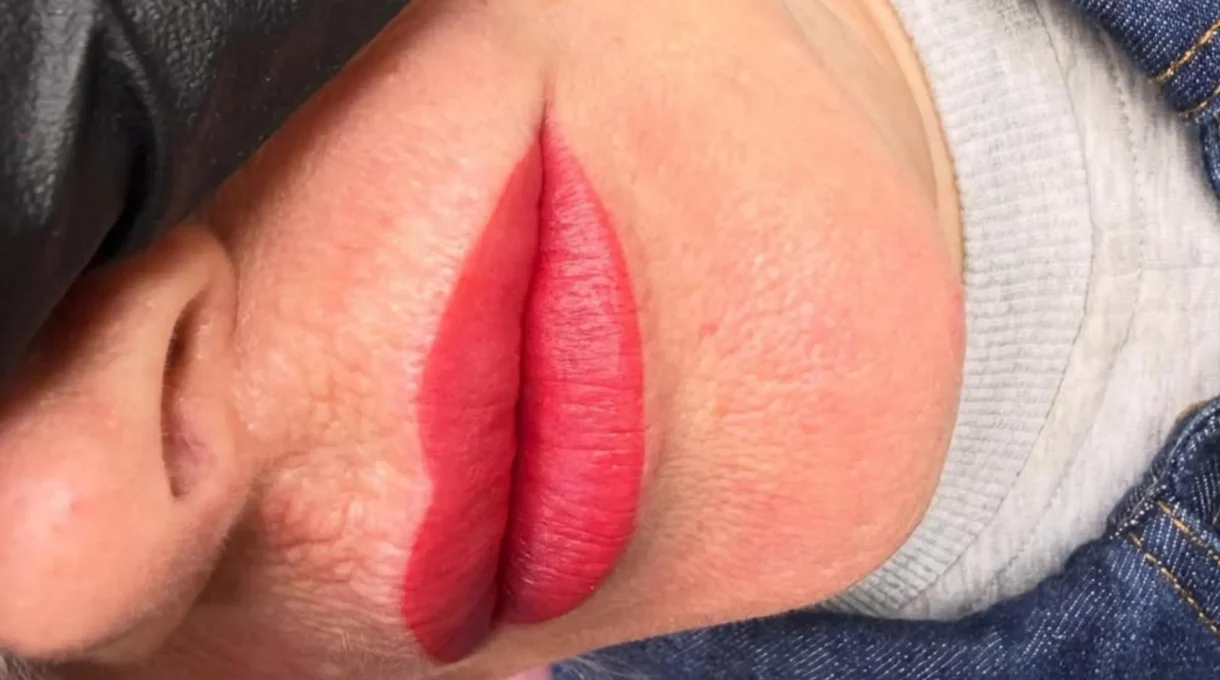
Can a lip tattoo for men hide a split lip scar naturally? Yep, a lip tattoo can help soften the look of a childhood dog-bite scar or a split-lip scar, provided the scar is fully healed, you’ve got a good sense of the skin’s texture, and the pigment is carefully matched. But even then, it’s a bit of a crapshoot – if the tissue is raised, pale, or uneven, the result can look better even if it doesn’t look perfect. And let’s be honest, one session is rarely enough to get the full picture.
I’m Olha Po, founder of Cosmetic Tattoo Studio Melbourne Face Figurati, and I get asked this sort of question all the time in consults – men want a straight-up answer, not some slick sales pitch. Fair enough – if you’ve been living with a dog bite scar lip line, you notice every time you shave or catch a glimpse of yourself in the mirror, you just want to know if a treatment will actually help, or if it’s just going to make things worse and draw more attention to the scar.
A Straight Answer First
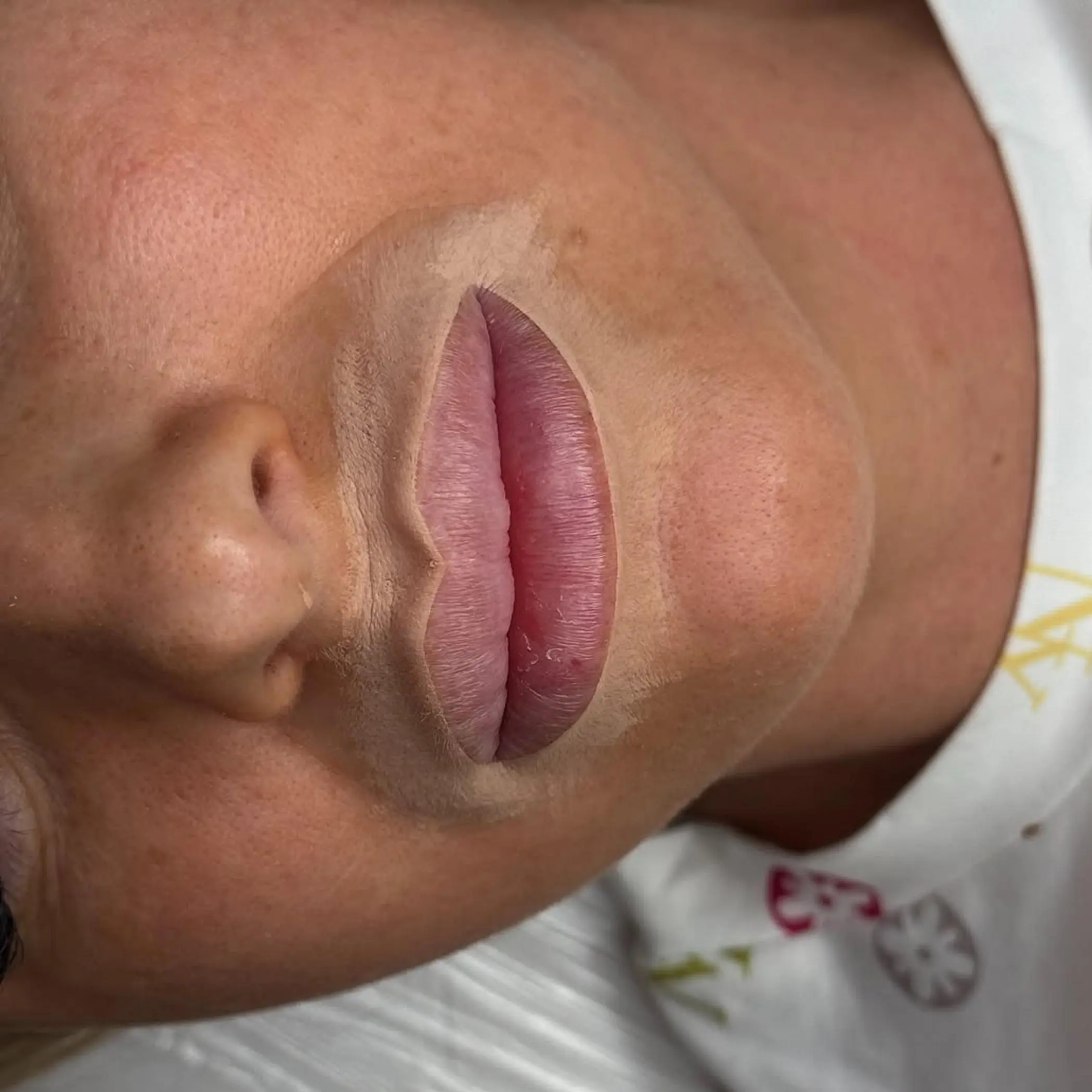
When Camouflage Works Well
If your scar is old, stable, and much lighter than the surrounding lip, a scar camouflage tattoo can significantly reduce the contrast and make it much less noticeable. This is what we see with a lot of hypopigmented scars from childhood injuries, sports knocks and split lip scars where the border healed pale. In those cases, getting the pigment matching right is way more important than just trying to make the area look brighter.
When Patchiness Is More Likely
Patchy healing is more likely when the scar tissue has thick, uneven absorption, dryness, sun damage, smoking, or a raised scar. Hypertrophic scars can be a real pain – they tend to grab pigment unevenly or reject it altogether. That’s why you often see patchy results from treatments like a lip liner tattoo over a scar when the treatment wasn’t properly assessed, was rushed, or was treated as just a colour issue.Reading The Scar Properly
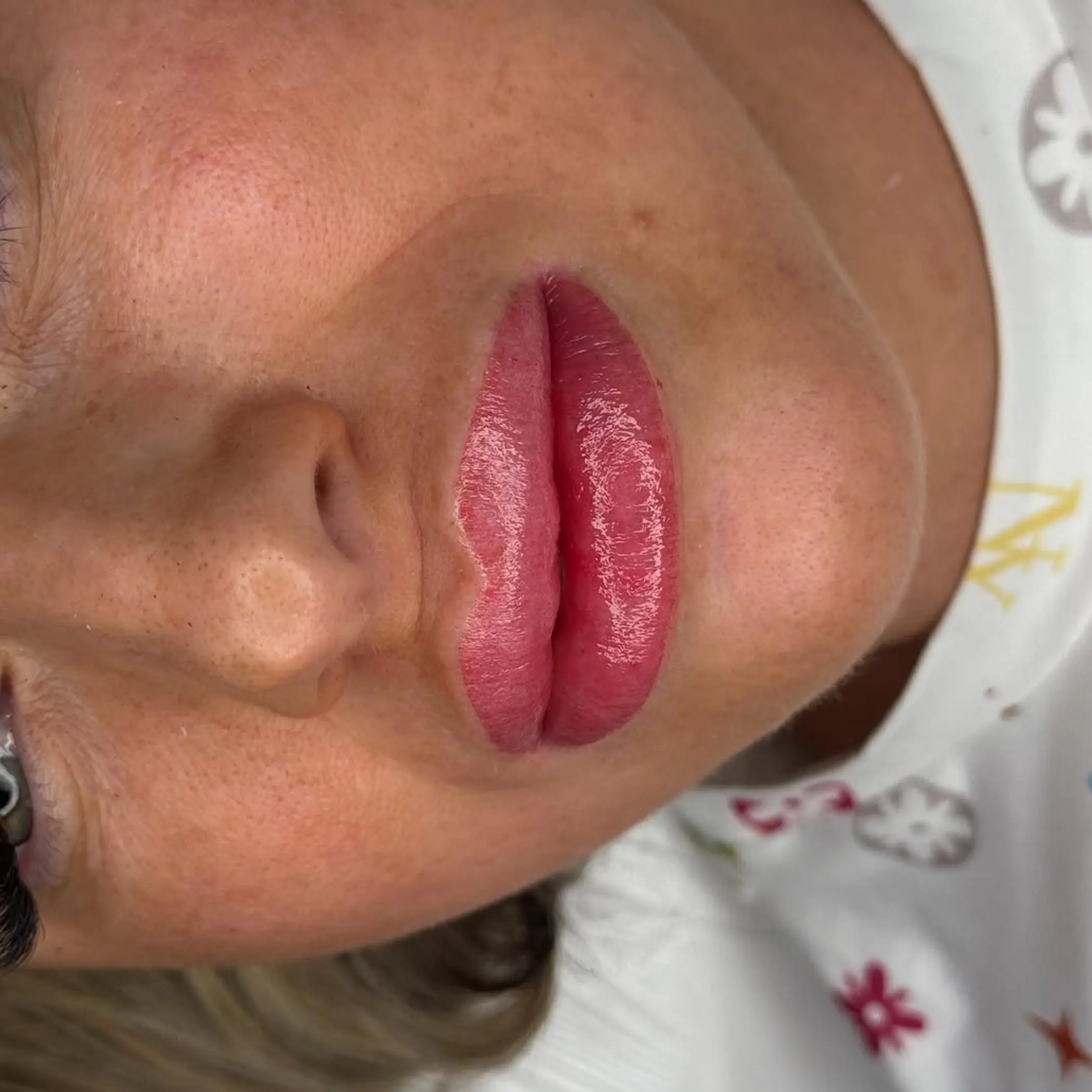
This is the part most people zip past after 10 minutes of scrolling through social media, only to suddenly feel like scar experts. In the real world, though, I never even start talking about colour until I’ve had a good look at the scar itself, taking in the age, texture, pigment loss, symmetry and healing history.
Men often tell me they want the result to be subtle, low-maintenance and pretty much invisible to anyone else. And that’s a pretty good plan. But what that really means is the scar itself has to be suitable to look good, not just the idea of treatment.
Signs You May Be Suitable
A good candidate for this sort of treatment usually has a fully healed scar that’s been stable for quite a while. In practical terms, I often work with a healing timeline of around 1-2 years as a minimum guide for newer scars, or sometimes longer if the surrounding tissue is still changing.
- The scar is a few years old now and isn’t pink or actively changing any more.
- The area is pretty flat – not all bumpy and ropey
- The only real problem is pigment loss, rather than lots of scarring
- You’re aware you might need 2-3 sessions to get the look you want
- You can take care of the aftercare properly
When I Tell Clients To Wait
If the scar is still red, raised, tender, or changing, I usually say, “Hang on a minute,” and recommend speaking with a medical professional first. Sometimes people really benefit from having the scar sorted out before we even start on the pigment work. I’ve had clients come in during winter, thinking their lip is just chapped, when in reality the tissue is still reacting and won’t take pigment evenly.
How Colour Blending Works
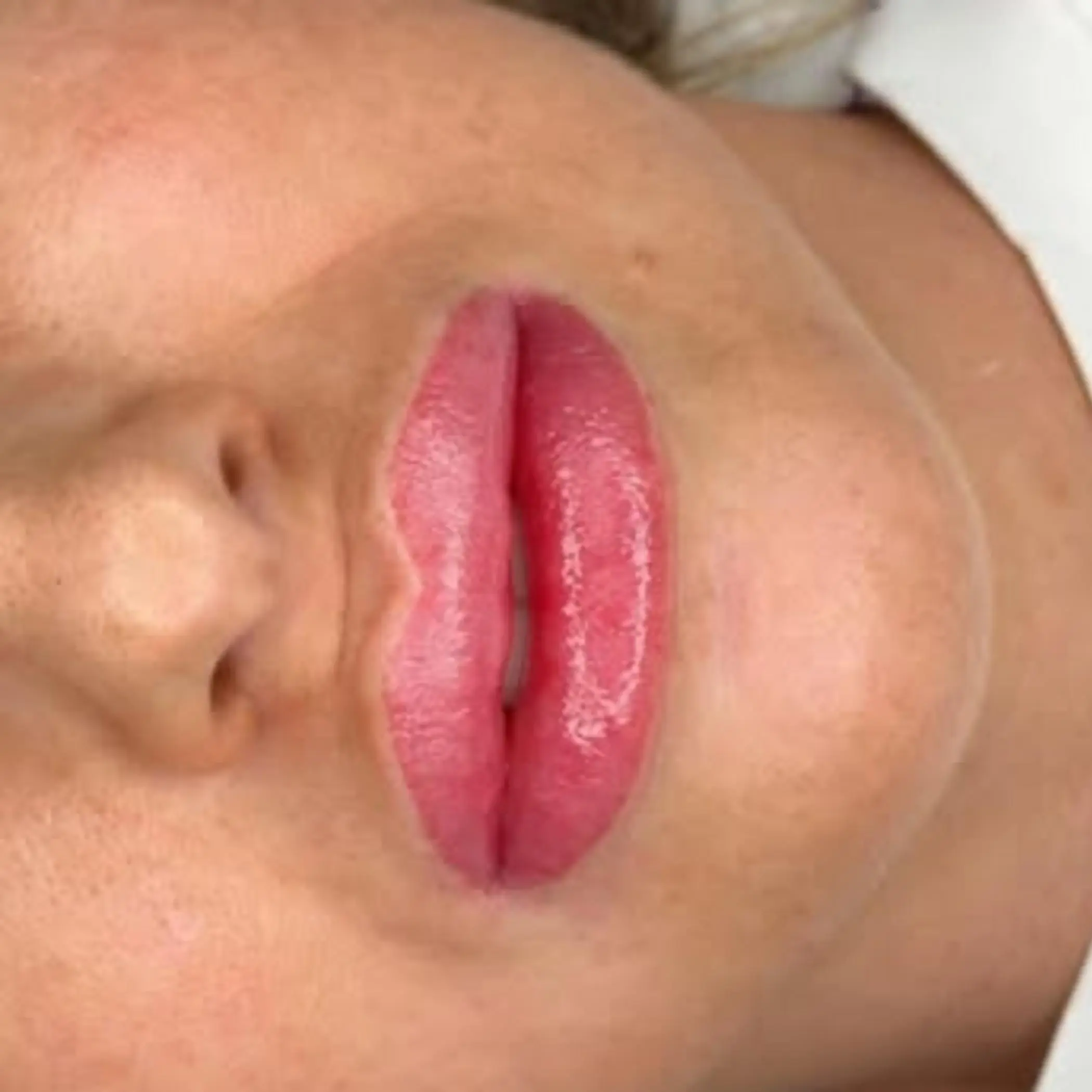
This is where experience really counts. Lip blush tattoo over a scar isn’t just a matter of picking a nice colour and hoping for the best. It’s about creating a look that doesn’t draw the eye to the scar first.
At our studio, we tailor the approach to the natural lip tone, undertone, border shape and how the scar affects the way light hits the lip surface, sometimes using techniques like lip line and shading. And that last bit is a bit of a curveball – the way the texture of the scar affects how the colour looks really is a big deal.Why Matching Is Everything
Pigment matching on lips is tricky because lips are translucent – they’re not like skin at all. A scar can look pale, greyish, or slightly white compared with the surrounding lip, so we often build up colour over a couple of appointments. If you go in too strong too early, the treated area can end up looking worse than it did before.
One Session Versus A Full Plan
If you only have 1 session, then you’ve got to be realistic about what to expect. You’ll see an improvement, sure, but it won’t be perfect. The best approach is to focus on getting the colour balance right first, then refine the edges and density. That’s a much better plan than going for maximum colour on day one and regretting it later.
What Results Usually Look Like
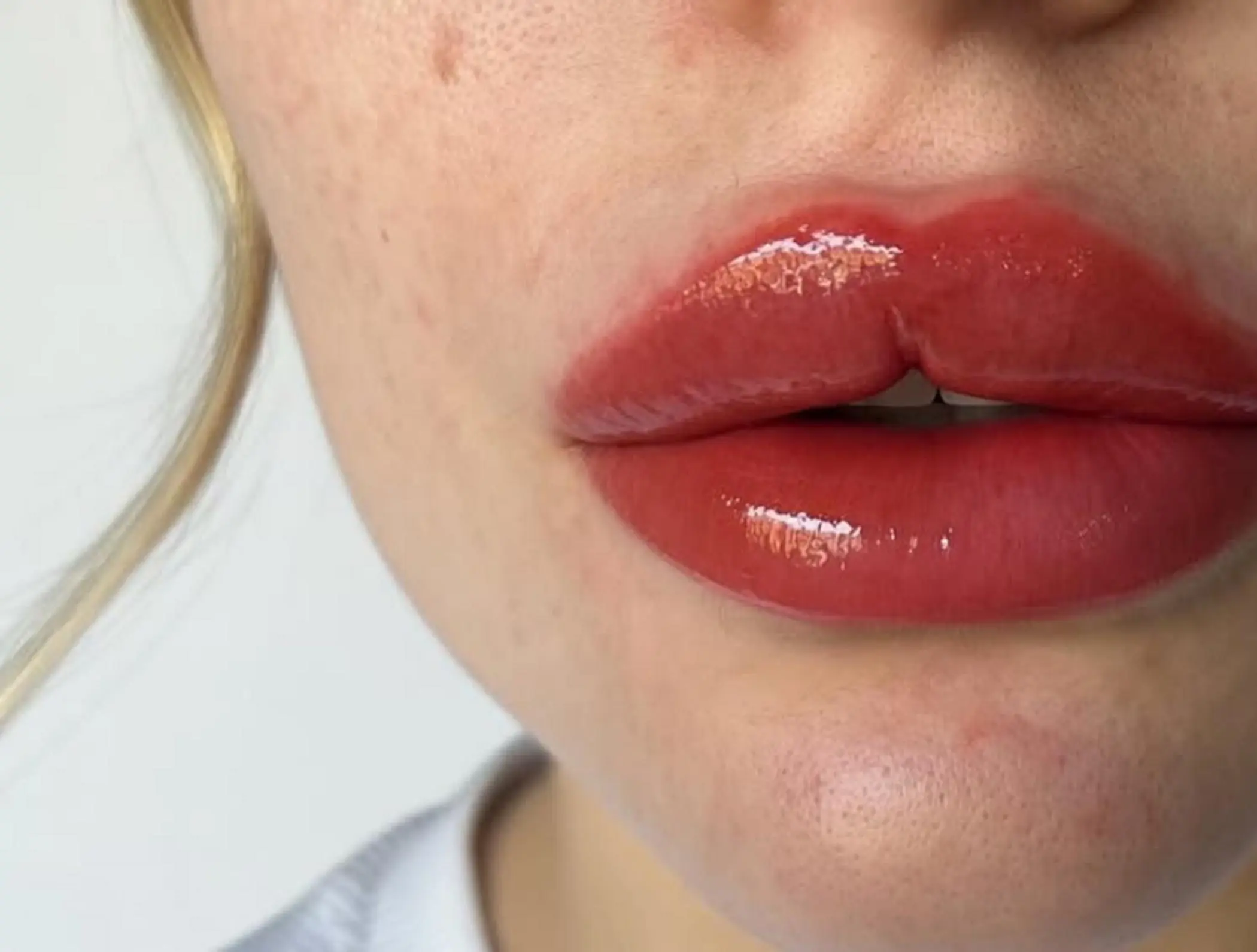
The truth is, I don’t want to give you the works and then leave you feeling bummed if my hype doesn’t quite live up to it. Honestly, though, some scars pick up really nicely, and in some cases, they can even improve by 40 to 70%, which really can be a massive game-changer if you’ve been bothered by the scar for years.
The bit that really matters is making sure your expectations aren’t totally out of whack with reality. That’s particularly true of the healing process and understanding the lip liner tattoo ghosting phase. If you get your lips done, you’ll probably notice they look a heck of a lot bolder and more obvious when they’re fresh compared to how they end up once they’ve healed. And if you’re one of those people who get anxious about scabbing and pigment loss in the first week or so, yeah, that can be a bit worrying.A Real Studio Example
I had a client who’d had a scar from a childhood dog bite on her top lip. The actual lip would end up looking really uneven. We didn’t try to just ‘cover’ up the scar in one go. First, we used some pretty standard paramedical scar camouflage principles to soften that pale line and carefully tweak the edges. Then, after it had healed, the lip just looked a heck of a lot more balanced, and the scar no longer jumped out at you straight away.
Appointments, Healing
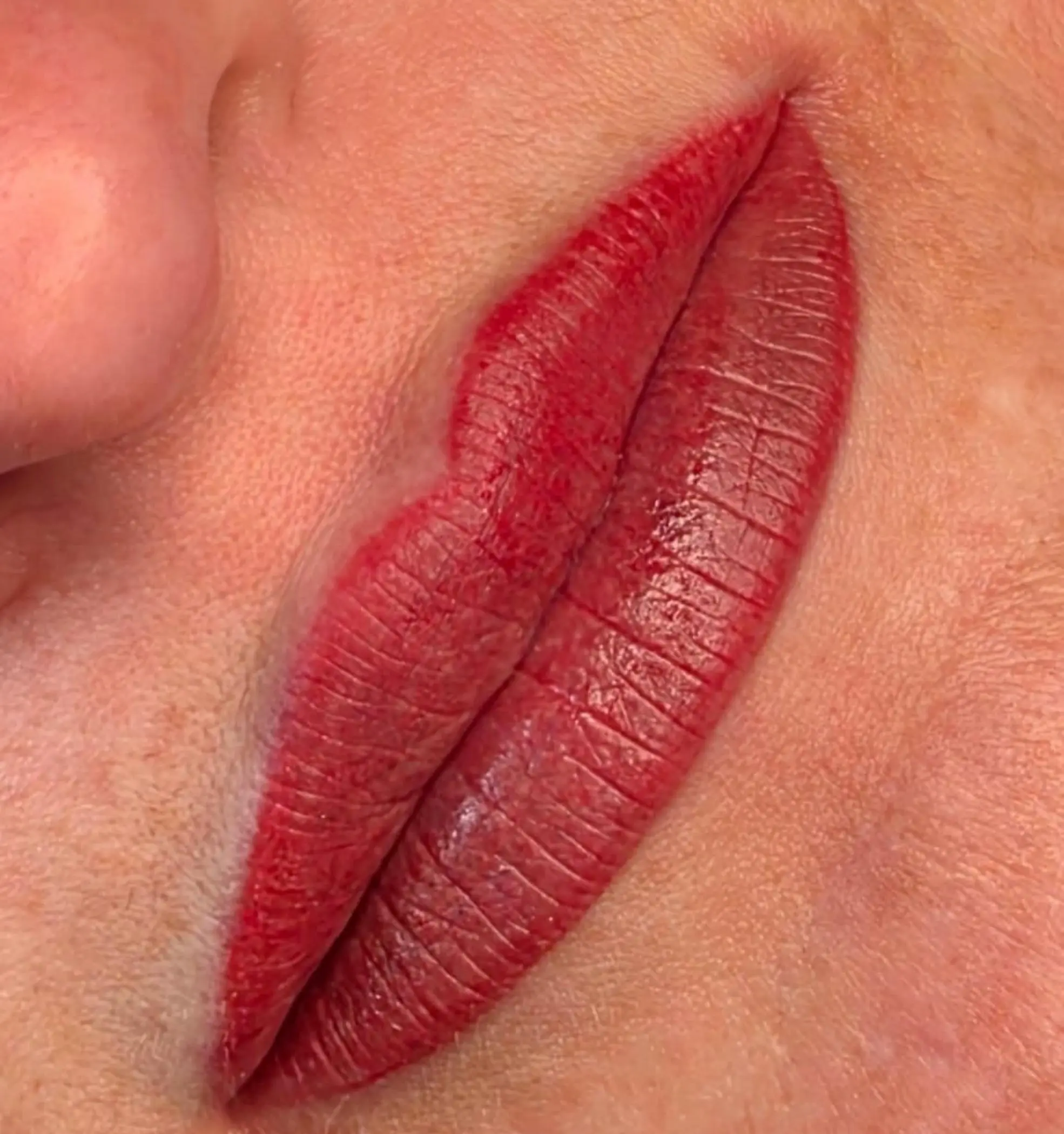
Right, the nitty-gritty then. If you’re looking to book in, here’s what to expect. The first consult and treatment usually takes around 2 to 3 hours, depending on how complicated the scar is, and then a second go-round usually happens 6 to 10 weeks on from that.
Weather can also have a pretty big impact – dry air, wind, dehydration, sun exposure, and those long weekend footy games can all affect healing and how well the results end up lasting, especially in scenarios like aquarelle lips tattoo ghosting.Prep And Aftercare Basics
- Hydrate beforehand: keep those lips nice and hydrated for a few days before treatment.
- General rules: steer clear of sun exposure; avoid cold sores or exfoliation, as they tend to be a no-go in the run-up to the treatment; and make sure to follow the aftercare advice I give you to the letter.
- Be careful in the first few weeks: avoid places like the gym or pools, heavy sweating and saunas can all be a problem. Don’t even think about trying to dab some random cream from the bathroom cabinet on it either – just stick to what I recommend.
Risks Worth Knowing
I always say give you the lowdown on the risks, the things that people don’t always want to hear. Even if you do get a good result with the scar camouflage tattoo, there are risks involved: uneven ink retention, infection if you don’t follow the aftercare to the letter, irritation during the healing process, or issues such as lip liner pigment migration if the technique is done wrong. And the thing is, this probably isn’t right for everyone. So, if your cold sores are playing up, looking into lip tattoo cold sore prevention is important. If diabetes isn’t well under control, or you’re dealing with an autoimmune condition, or your scar is pretty new, or you’re just not being entirely realistic about what you can achieve…we might have to put it off or decline altogether.What Most People Get Wrong
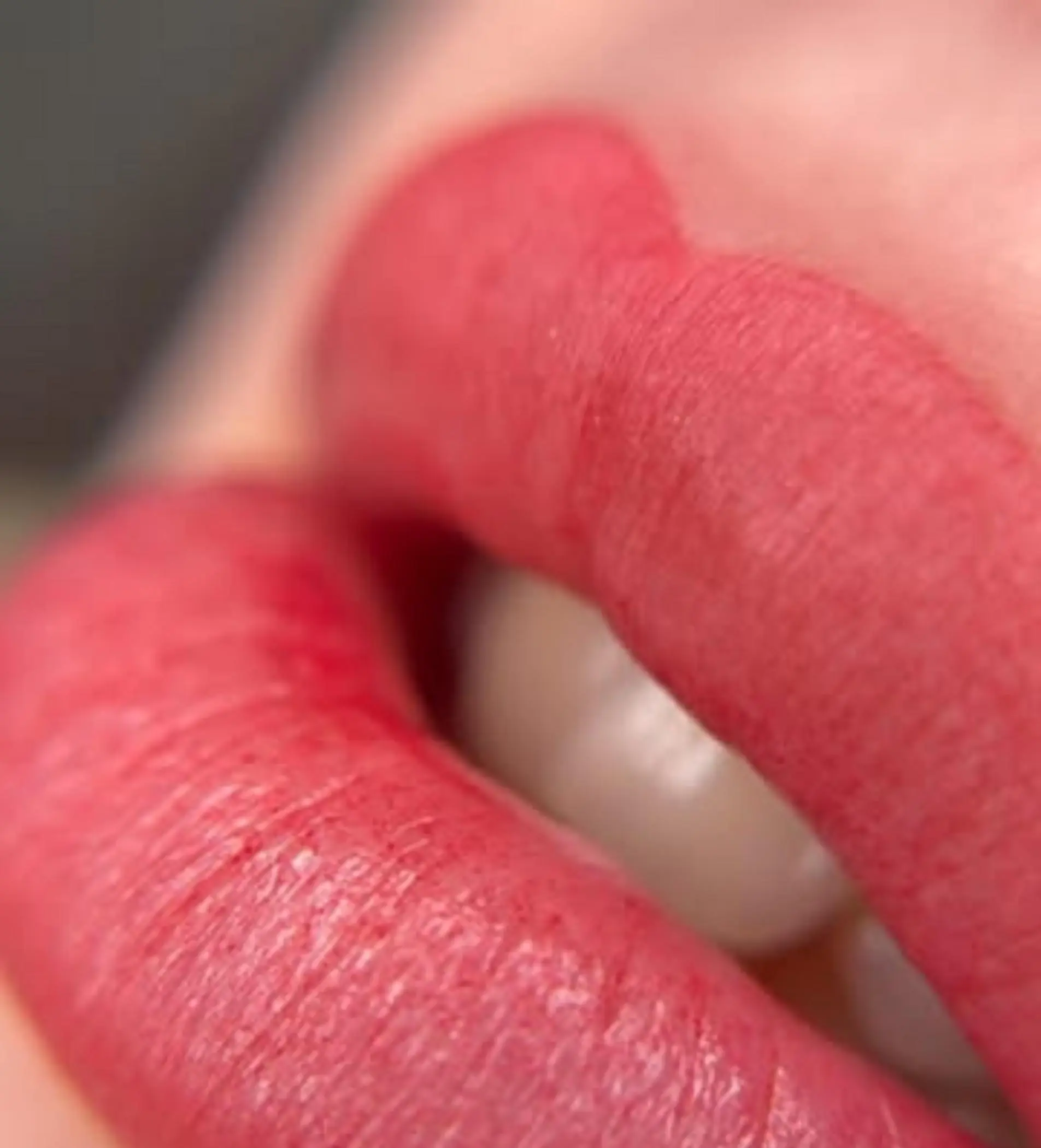
The thing is, most of the time, people just don’t get the difference between lip blush and paramedical scar camouflage. Yeah, they overlap a bit, but the latter really does need that extra bit of expertise – and if you don’t get it right, it can even end up drawing more attention to the scar. I’ve seen some pretty dodgy jobs done by people who just don’t have the right skills for the job.
Choosing The Right Artist
If you’re thinking about getting a lip tattoo to cover a split-lip scar in Australia, you want to find somebody who really understands how the skin responds to a scar, as well as what looks good. Don’t worry too much about the “Perfect” Instagram picture – you need to see healed results, proper hygiene, and honesty about what can and can’t be done.
Having worked in the industry for almost a decade, I (Olha Po) can tell you the difference between a beginner and a seasoned pro usually comes down to what they’re not afraid to say no to. At Face Figurati, we only use top-grade materials, high-end equipment, and follow the strictest hygiene and safety standards because – let’s face it – lips aren’t the place to take shortcuts.
What To Ask Before Booking
Ask to see before-and-after pictures of healed scars, not just fresh work. Ask your artist if they have experience with paramedical tattooing, how they match pigment and whether they ever recommend microneedling or a medical consultation before having any work done.
My Final Take
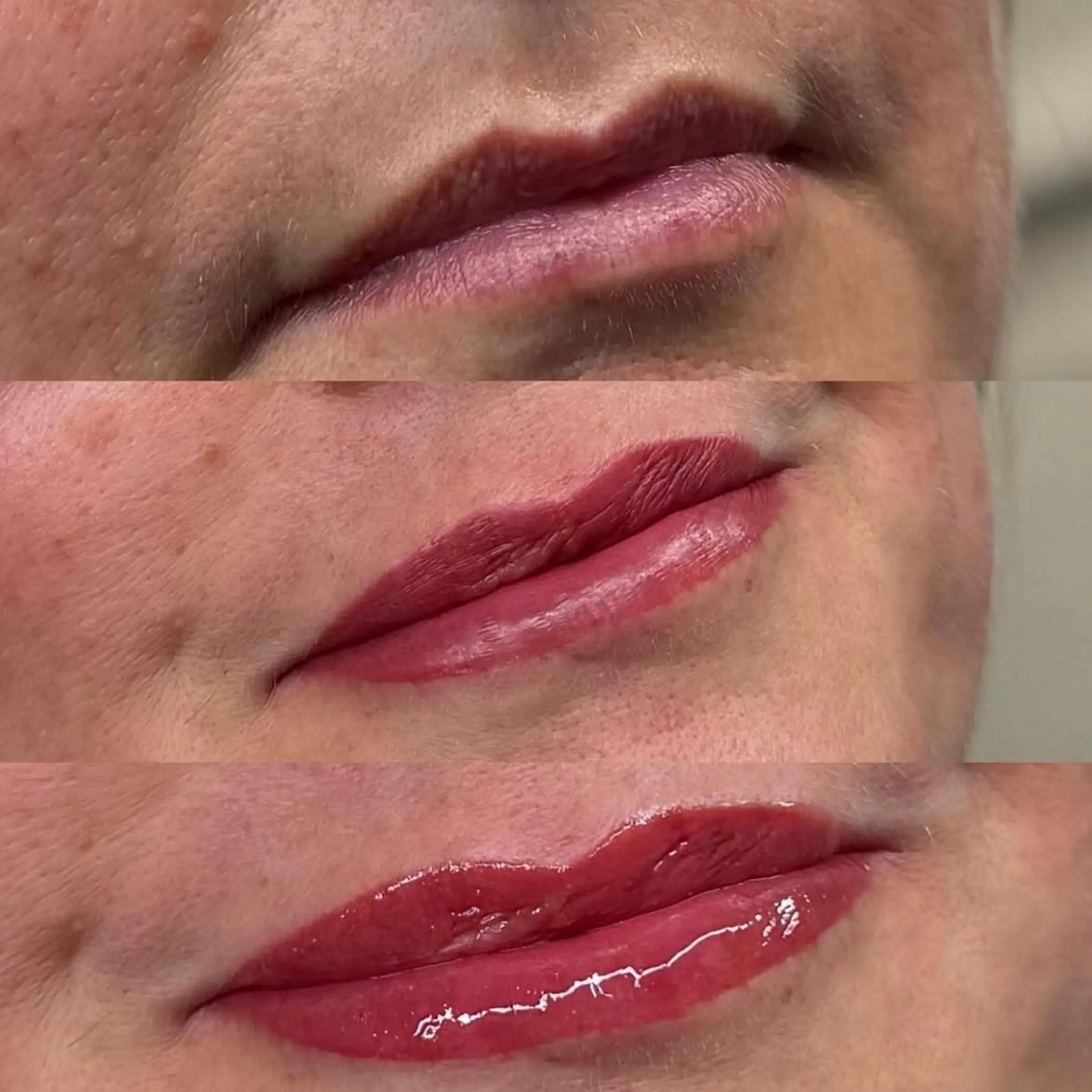
If your scar’s a mature colour issue, lip tattoo scar camouflage can be pretty effective at reducing contrast without looking too obvious or overdone. But if the scar’s a bit raised or unpredictable, it’s usually better to play it slow, try a combination of treatments, and see how it pans out.
Still not sure if this is right for you? Give Face Figurati in Melbourne a try, and I’ll walk you through the whole process with no pressure – just information. A good consult should leave you feeling informed, not sold on something. So to simplify: yes, it can work – but the scar, the technique and the artist all make a huge difference.
FAQ
What Are The Downsides of a Lip Tattoo
Uh, uneven healing, fading, the possibility of cold sore flare-ups and needing the odd touch-up. And unfortunately, scar tissue tends to retain pigment a bit more erratically than normal lip tissue.
How Do I Hide a Scar On My Lip?
Well, that depends on what you’re working with. Flat, pale scars often respond pretty well to lip tattoo scar camouflage, while raised scars might require a bit more TLC, such as scar therapy, scar revision, or some pre-pigment microneedling.
How Much Does a Scar Camouflage Tattoo Cost?
In Melbourne, the initial session usually fits within the typical lip liner tattoo cost in Australia, costing between $450 to $900, and touch-ups can be a bit more expensive. Complicated scars might need multiple visits.How Do I Get Rid Of Dog Bite Scars On My Face?
To be honest, you’re usually looking to improve them rather than erase them. Your options can include scar revision, laser treatment, microneedling for scars and – in some cases – paramedical scar camouflage.
Will a Men’s Lip Tattoo Look Obvious?
Not if it’s done right – for guys, I usually aim for a colour close to their natural lip tone so it blends in and doesn’t look like they’re wearing a bit of tinted lipstick.