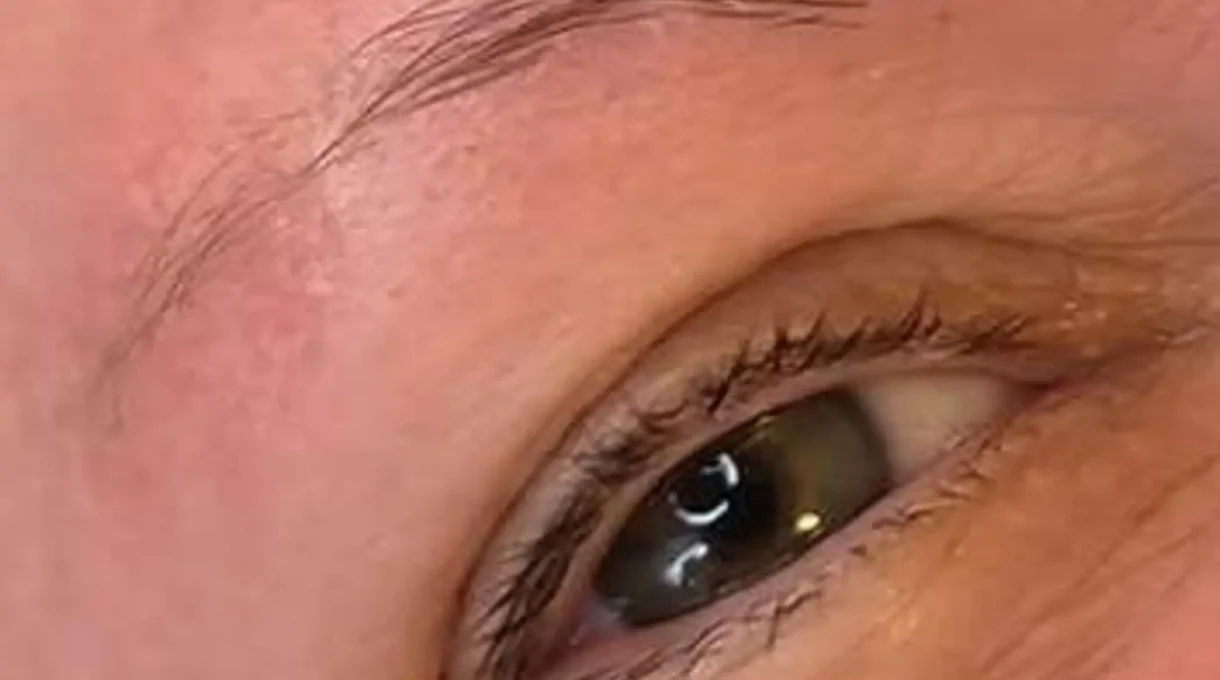
Does microblading hurt? Usually, yes — but for most clients it is manageable rather than dramatic, especially when a proper topical anaesthetic microblading protocol is used. I’m Olha Po from Cosmetic Tattoo Studio Melbourne Face Figurati, and in real treatment-room terms, most people describe the feeling as light scratching, pressure, or a bit of a sting rather than serious pain.
If you’re researching numbing creams for microblading in Australia, the simple truth is that reputable clinics here tend to use good old-fashioned topical anaesthetics like lidocaine, often in combination with other stuff like prilocaine or tetracaine in some cases – and it really all depends on the clinic, the particular cream they’re using, and what’s legal at the time. To be honest, though, which cream they use is not as important as making sure they’re following the right hygiene and safety protocols and that you get a proper assessment of your skin and a good reading on the timing and suitability of the treatment.
Get a Proper Consult
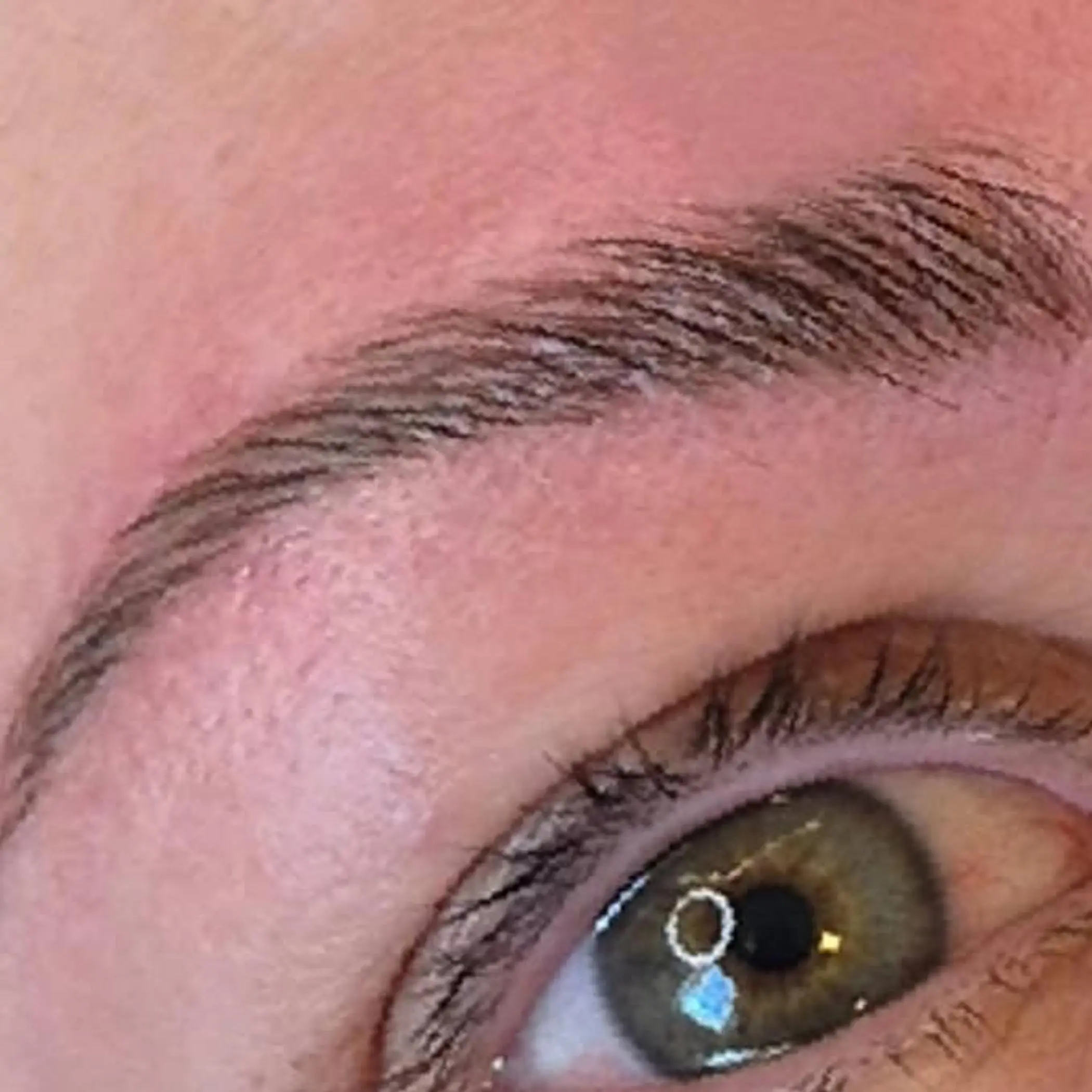
Look, for a pretty obvious reason – your eyebrows are right there on your face – you want to get a good idea of whether this is just a mild irritation or something you’ll be regretting in a few days. Fortunately, most people find microblading pain pretty manageable. However, those who are really struggling are often the ones who might have come in feeling stressed, tired, over-hyped on caffeine or with unrealistic expectations about what one session can achieve.
Whenever I meet new clients at Face Figurati in Melbourne to discuss microblading, I always try to be straight-up and honest about what to expect in terms of pain and numbing – no sugar coating it or saying it’ll be completely painless because let’s be real, people whove had their eyebrows threaded, waxed or tweezed after a few coffees already know that their face can be a bit of a drama queen.
Just How Much Does It Hurt?
This is the bit everyone wants to know first off: a realistic idea of what the pain level is like for microblading, especially in comparison to the pain level of powder brows. For most people, its probably around a 2 to 5 out of 10 – and that’s based on a single treatment session on healthy skin, pre-numbed up and done with a bit of care.What You’ll Actually Feel
Most people seem to handle the first few passes okay once the pre-numbing has kicked in. But then they start to notice some scratching, a bit of vibration running through the bone, a small amount of heat, and occasionally a few sharper spots near the thinner skin areas. And of course, watery eyes are pretty common – not because you’re being a wimp, but because your face just likes to do its own thing sometimes.
What Actually Happens vs What You Think Will Happen
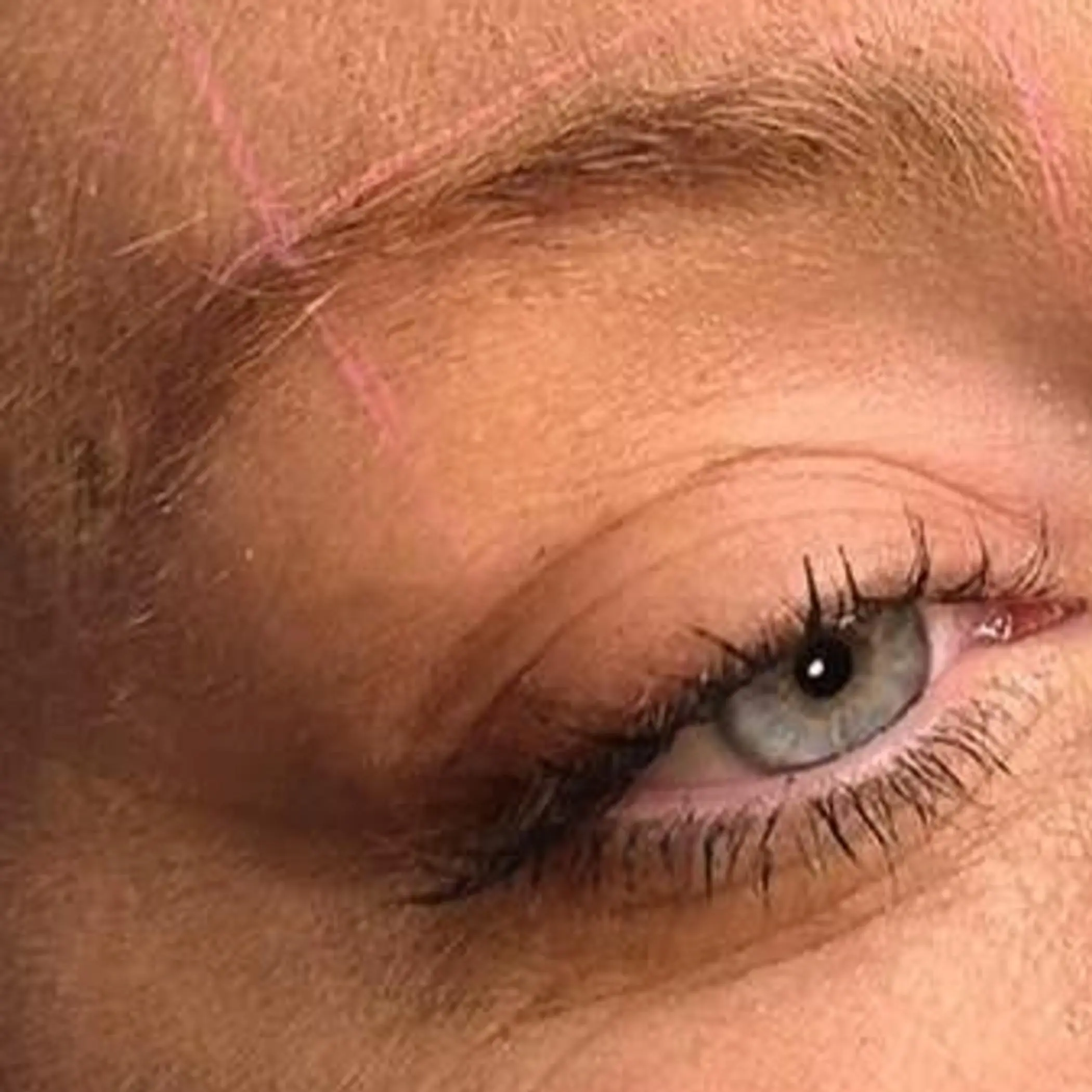
Where people get caught out is not the actual discomfort during the treatment itself, but the fact that your eyebrows can look a lot bolder straight after, only to soften up a bit as they heal. One session will give you a pretty good shape and definition, but you can bet your bottom dollar you’ll need a touch-up somewhere around 4 to 8 weeks down the line to sort out any colour gaps, softness, and stroke retention.
What Affects How You Feel
No two brows behave the same way – skin type, health background, technique and even a miserable Melbourne day can all impact how microblading feels & how well the numbing works.
Skin & Your Lifestyle
Oily skin‘s a bit of a wild card – it swells & pushes pigment around, making the whole process feel more uncomfortable & affecting how well the results last. Dry skin is a different story – it can feel stiff & tight. Clients around that time of the month, after a crap night’s sleep or last night’s drinks, often report feeling super sensitive. Putting in a heavy gym session, getting some extra sun or windburn leading up to the appointment doesn’t help either – skin that’s already a bit battered just isn’t as cooperative.
When You Might Want To Think Twice
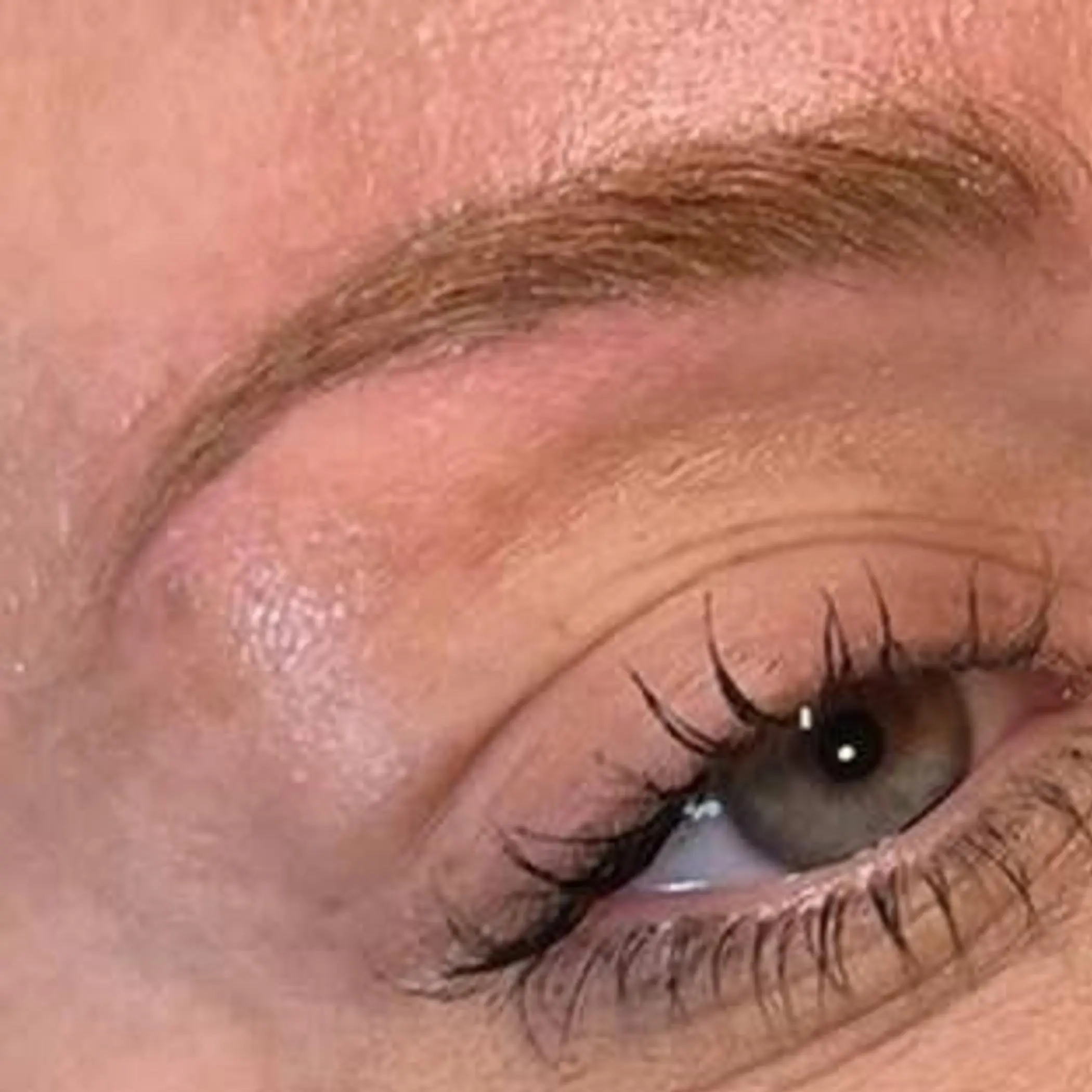
Look, microblading‘s not for everyone. I have to be careful with really oily skin, active dermatitis, any nasty spots around the brow, or if you’ve recently had a peel or are on blood thinners (unless you’ve got a doc’s okay). And let’s be honest – if you’re looking for super crisp hair strokes that’ll last forever, microblading just isn’t the way to go. In some cases, machine brows are probably the better option.
Making Numbing Work
When clients ask me what the best numbing cream for microblading is, I have to tell ’em there’s no single magic formula – it’s all about finding the right product, using it at the right time, in the right amount & on the right client.
Common Numbing Products
The ones I use are all pretty standard in Aussie clinics – a safe, decent product used in moderation. Commonest anaesthetic products used in cosmetic tattoo work include lidocaine, prilocaine & tetracaine – some products have a mix of these, depending on what’s available.
Some artists use extra numbing products while we’re working on the skin, but you have to be careful with that too – overusing it can affect skin response & even cause some weird stuff like a white halo around the area. Not to mention, it can make it harder to get a good read on the skin while we’re implanting pigment.
Rules & Safety
And then there’s all the nonsense online. Not every product they’re talking about is even allowed, qualified or used in Australia – and that makes a huge difference when we’re talking about your face.
OTC vs Prescription Numbing Cream Access
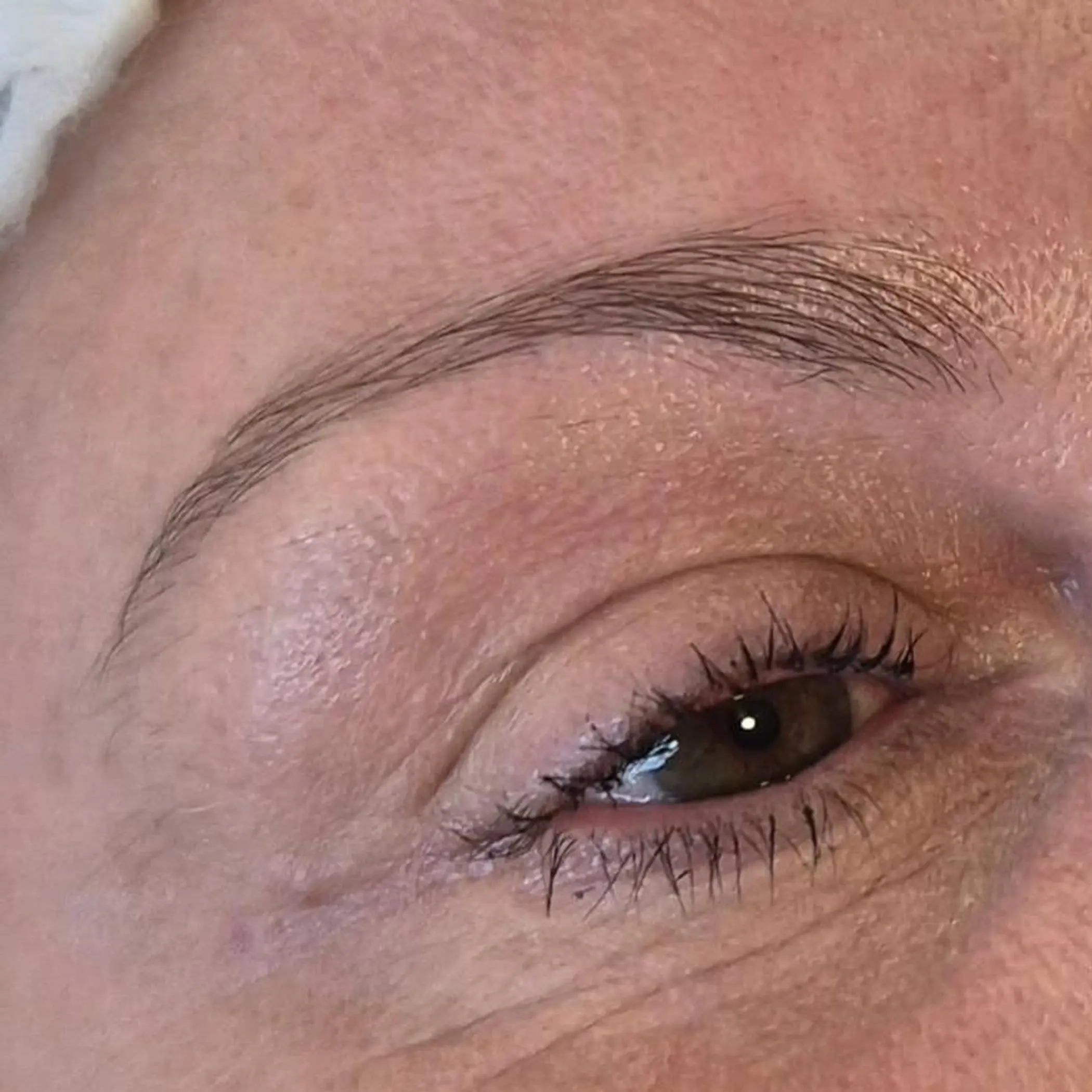
In Australia, you’ll find that some lidocaine numbing cream options are available over the counter, but stronger products are often restricted or only available from a practice. Don’t try to get a prescription numbing cream product just because some bloke on Facebook said it’s better. Your clinic needs to stick to the product instructions and follow current state health guidelines – and that includes SA Health and other Australian health authorities setting the bar for things like hygiene, infection control and safe skin penetration.
Why Clinic Protocol Really Matters
I’ve seen plenty of clients come in looking all red and irritated after slapping on way too much numbing cream at home, stuck under cling film, because they thought it was just a case of slap it on and hope for the best. The truth is, that’s not only a bad idea – it can also increase the risk, get in the way of assessing the skin and even compromise the outcome before we even start.
How We Get Numbing Right
Getting the numbing right is more than just slapping cream on and crossing your fingers, its a step-by-step process that’s all about getting the consent, skin condition, timing and treatment plan just right.
What to Expect at Your Session
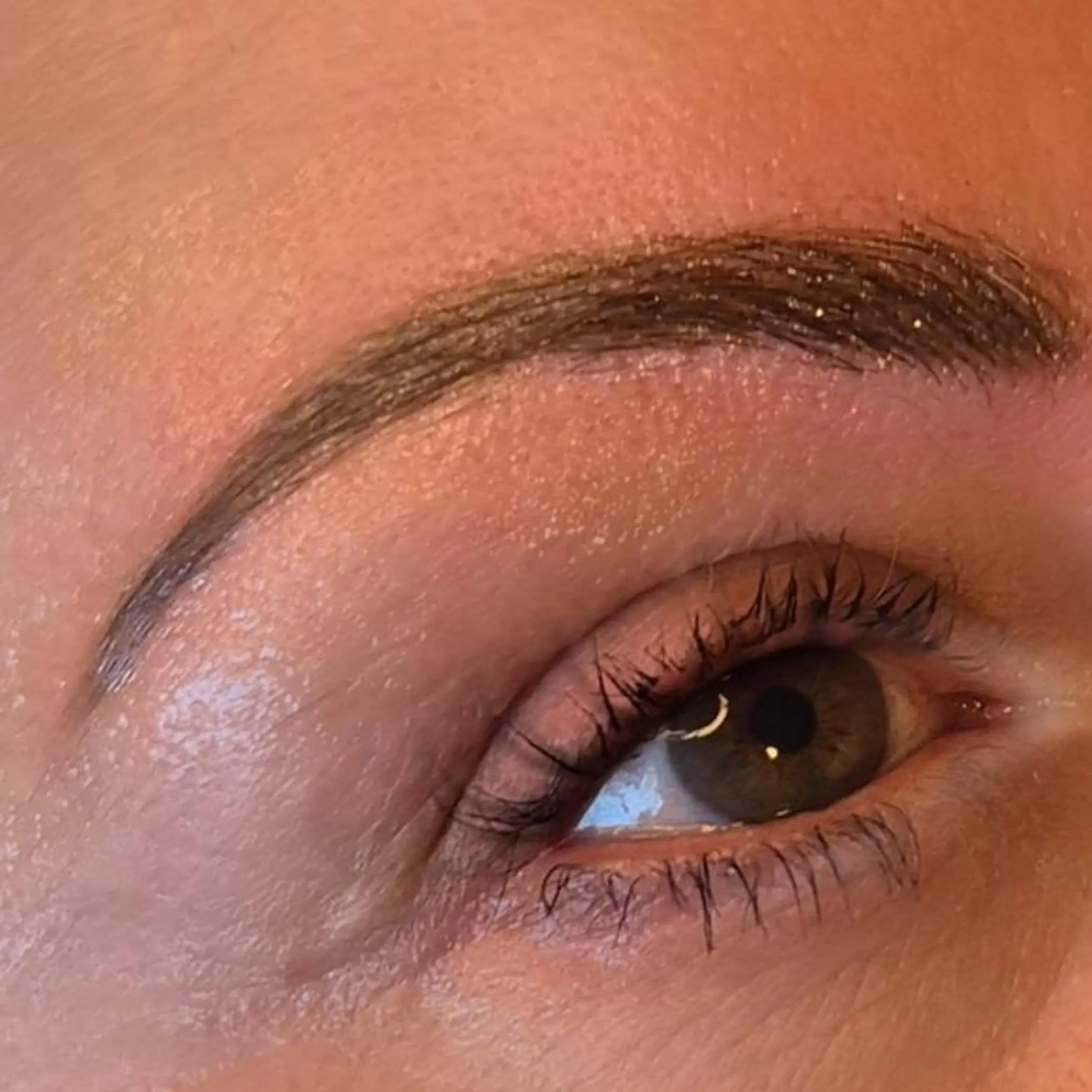
A microblading appointment takes around 2 to 3 hours in total, including consultation, mapping, colour selection, pre-numbing, the treatment itself, photos, and aftercare chat. It’s not all about the actual blade work – that’s just one part of the visit.
- Consultation and checking for any contraindications
- Mapping out your brow shape and getting it approved
- Applying pre-numbing for around 20–40 minutes, depending on what the product says
- Doing the first strokes
- Adding more numbing if needed and suitable
- Finishing up the pigment work and going over aftercare
Before You Book In
If you want the appointment to be as easy as possible, do yourself a favour and prepare beforehand. The clients who do the best usually turn up calm, hydrated and not running on a coffee and panic.
- Try not to have a drink in the 24 hours before
- Limit the caffeine on the day
- Avoid any products like retinoids, acids, or exfoliation near your brows in the lead-up.
- Don’t come in if your skin is sunburnt, you’re not feeling well or have irritated skin.
- Let your artist know about any allergies, cold sores, medication or previous brow tattoo work you have
Healing And Red Flags
After a microblading session, taking care of your brows is just as important as the appointment itself. You might be weighing methods like wet healing and dry healing for the best recovery. While most clients can get on with their day straight away, your skin still needs some TLC.Real Healing Timeline
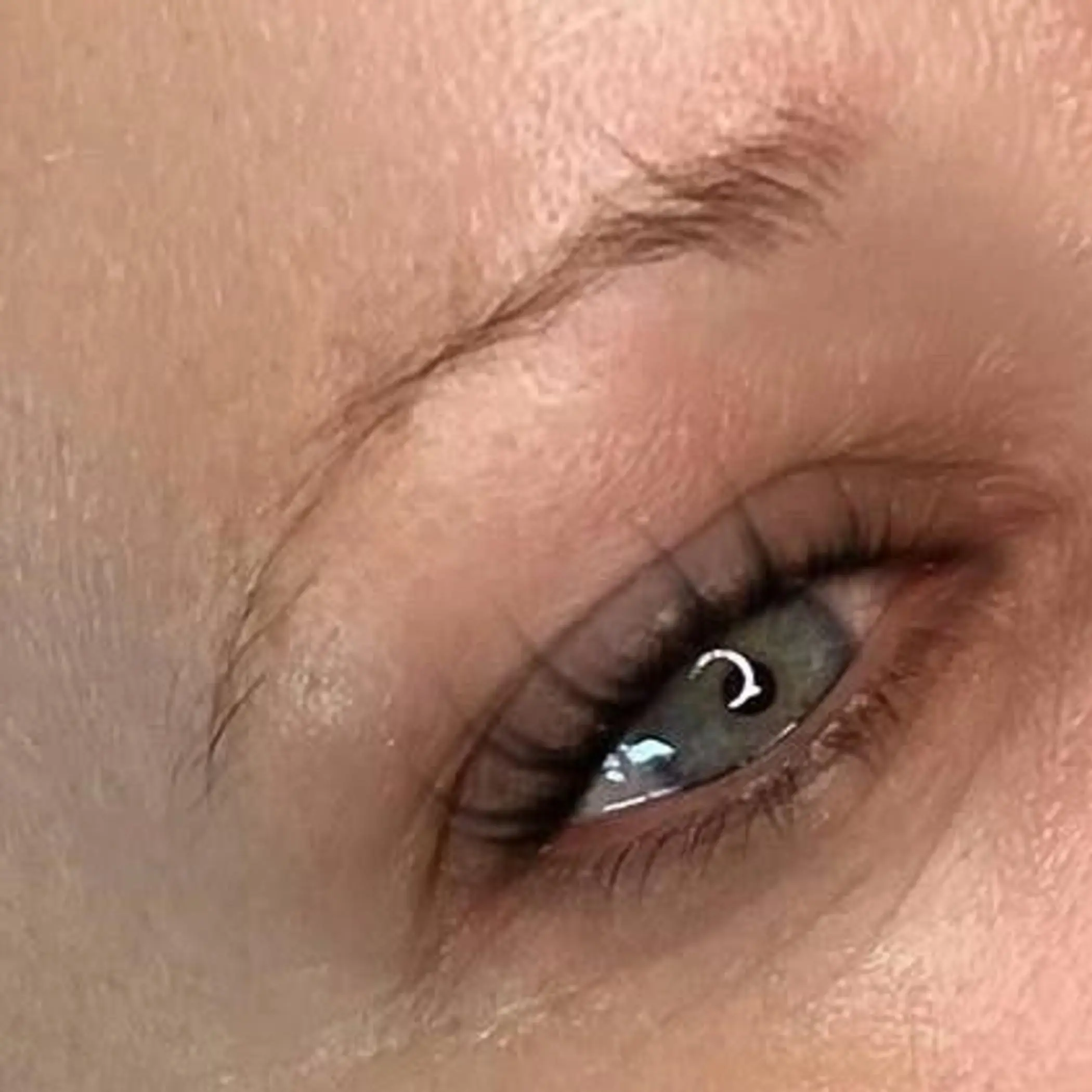
Days 1 – 3, your brows will look pretty dark and defined.
Days 3-7, you might experience some light flaking and skin tightening. Things get a bit bumpy between.
Days 7-14, when your colour might look patchy or a bit too light.
But by weeks 4-8, your skin should have settled in, and you’ll have a better idea of when you might need a touch-up.
In Melbourne, the wind, the dry winter air, the summer heat, and all that UV can really play havoc with healing and eyebrow retention.
When Pain Becomes a Problem
A bit of tenderness is completely normal, but if you’re feeling increasing pain, spreading redness, heat, a bit of pus, or swelling that’s getting worse rather than better – that’s not good news. It might mean you’ve got an irritation or an allergy going on, or that there’s a risk of infection, and you should get it looked at pronto.
Know When To Ask For Help
If something just doesn’t feel right, don’t hesitate to ask. A good artist would rather have you send them a photo message on day 2 to check in than have you try to guess what to do and rely on some dodgy advice from TikTok comments.
At Face Figurati, we design each brow shape to suit your face shape and skin behaviour, and we’re upfront if we don’t think microblading is the right fit for you. For those interested in permanent eyeliner in Melbourne, there are specialized services available as well. As for pricing, in Melbourne it’s typically around AUD 400-800 for the initial brow session, and touch-ups are usually charged separately depending on how soon they’re needed, whether any corrections are needed, and all that jazz.
A Final Word from Olha Po
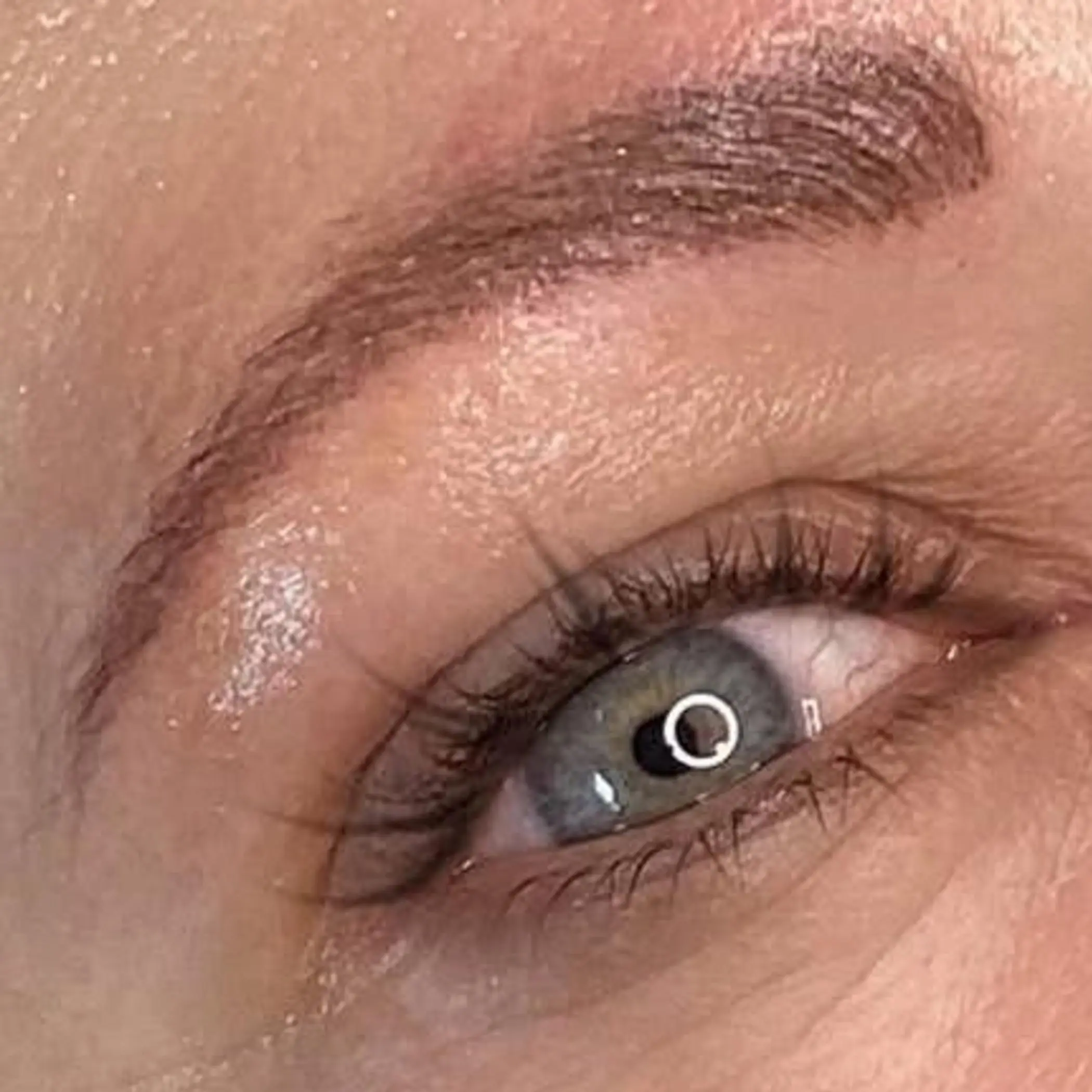
If you’re here wondering ‘does microblading hurt a lot’, well, the honest answer is yes, it does a bit, but usually not as much as people expect – especially when the treatment is done properly. A good numbing, a skilled hand, sensible expectations, and proper aftercare make all the difference.
If you’re still not sure whether brow tattooing is for you, give Face Figurati a shout, and I’ll happily talk you through your options with no gimmicks, no scare tactics, and definitely no pretending every fad needs a second chance.
FAQ
Which Numbing Cream Is Best For Microblading?
There is no single best option. A safe clinic-approved product with lidocaine, sometimes paired with prilocaine or tetracaine, is what matters most.
How Long To Leave Numbing Cream On?
Usually 20 to 40 minutes, depending on the product directions and your technician’s protocol.
Can I Buy EMLA Cream Myself?
Sometimes, yes, but only use EMLA cream or any other product if your artist has told you to. Don’t self-experiment before a brow tattoo.
What Is The Best Numbing Cream To Use Before Microneedling?
That depends on the treatment, clinic, and your skin. Microneedling protocols are not automatically the same as microblading.
Will One Session Be Enough?
Usually not for the best healed result. Most clients need a touch-up after 4 to 8 weeks.