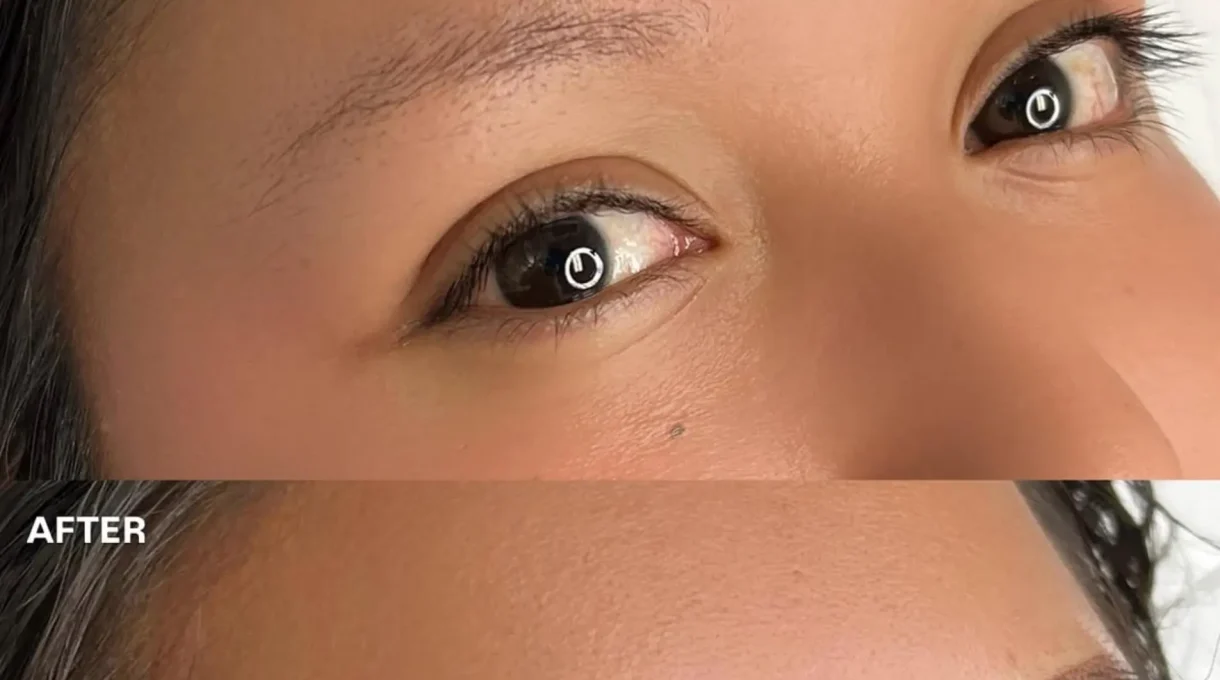
Wet healing vs. dry healing in microblading is really a question of how much moisture you allow on fresh brow strokes after treatment. The short answer: most Australian artists now lean towards a controlled wet healing or modified dry healing approach, not an extreme version of either. In plain salon speak, that means we keep the area clean, protect it sensibly, and use a very small amount of suitable aftercare balm only when needed.
Hi, I’m Olha Po, the founder behind Cosmetic Tattoo Studio Melbourne Face Figurati, and I get asked this question a fair bit in my consultations: What’s the best approach to microblading aftercare? If you’ve been scouring the internet and coming up with all sorts of conflicting advice, you’re not alone. There are a bunch of artists who still recommend dry-healing microblading, while others swear by wet-healing microblading. Still, the truth is, it depends on a whole lot more than just what you read online – your skin type, your lifestyle, Melbourne’s weather and how your artist works.
The Simple Lowdown
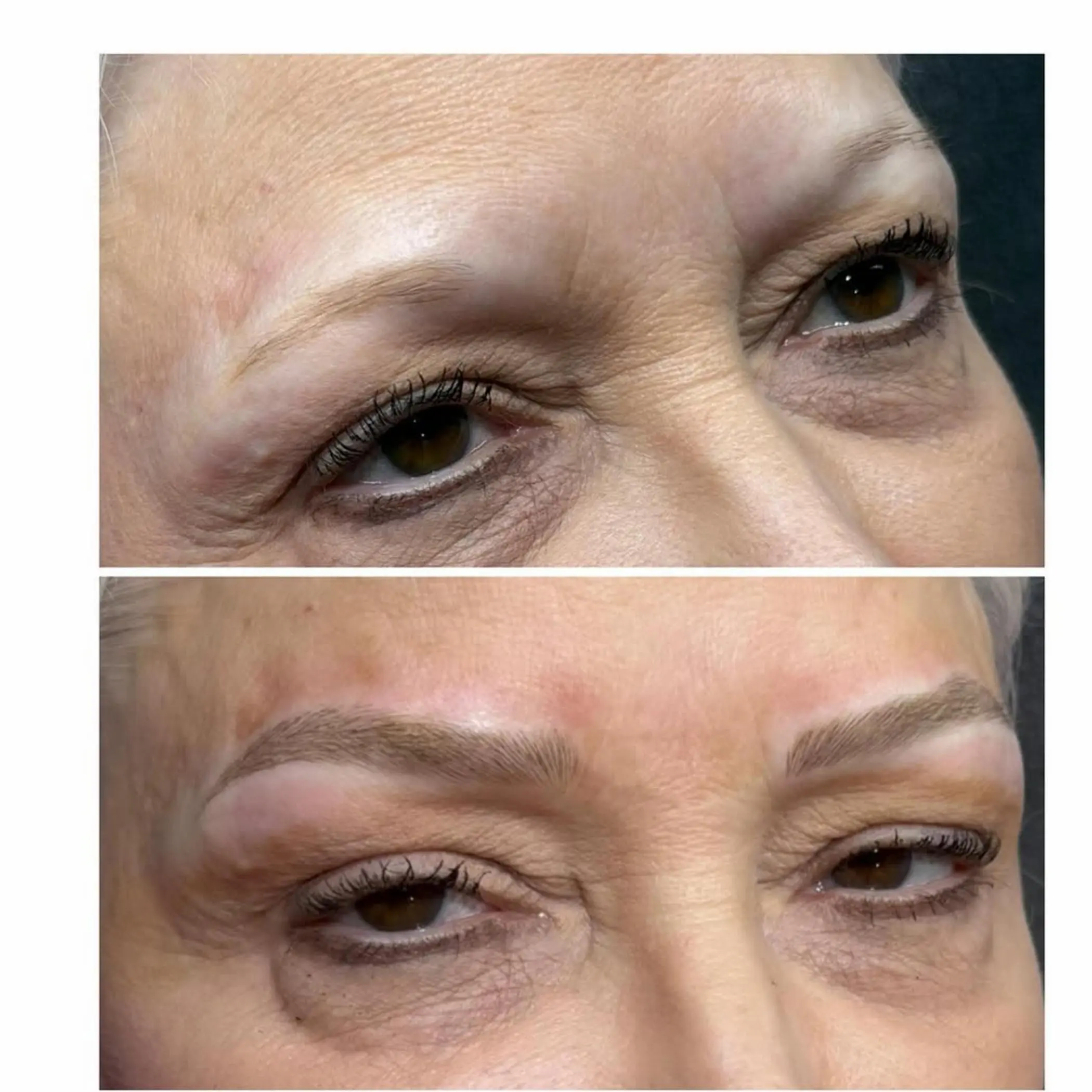
If you want to get straight to the point before we dive in, here it is: neither extreme – soaking your brows dry like a crack or drying them out completely – is going to work out too well. The best advice for looking after your microblading aftercare in Australia sits somewhere right in the middle.
Here at Face Figurati, I try to take a more balanced approach – one that’s based on your skin type, how your skin is going to react to the treatment, and making sure the pigment we’ve used really settles in properly. That way, you can avoid getting those nasty microblading scabs and make sure any potential infection is kept at bay – all while ending up with a result that looks nice and smooth, not patchy.
How Australian Artists Really Do It
Now, if you talk to Australian artists, they’ll tell you that the old-school dry heal approach that used to be a thing isn’t really that common anymore. Many of us now use a modified dry-healing method. We do gentle cleansing, keep the area nice and dry, don’t go around soaking it in water, don’t get too sweaty while you’re doing reformer pilates or anything like that – and only put a tiny bit of aftercare balm on if it feels tight or sore.
That makes a lot more sense for real life, let’s be honest. You’ve got to be able to get on with your day, work commute and all the rest, and we all know how crazy Melbourne’s weather can be – from freezing winter days to sweltering summers. So a balanced approach is much easier to follow and gives you a better chance of achieving a result that heals well.
The Wet Healing Lowdown
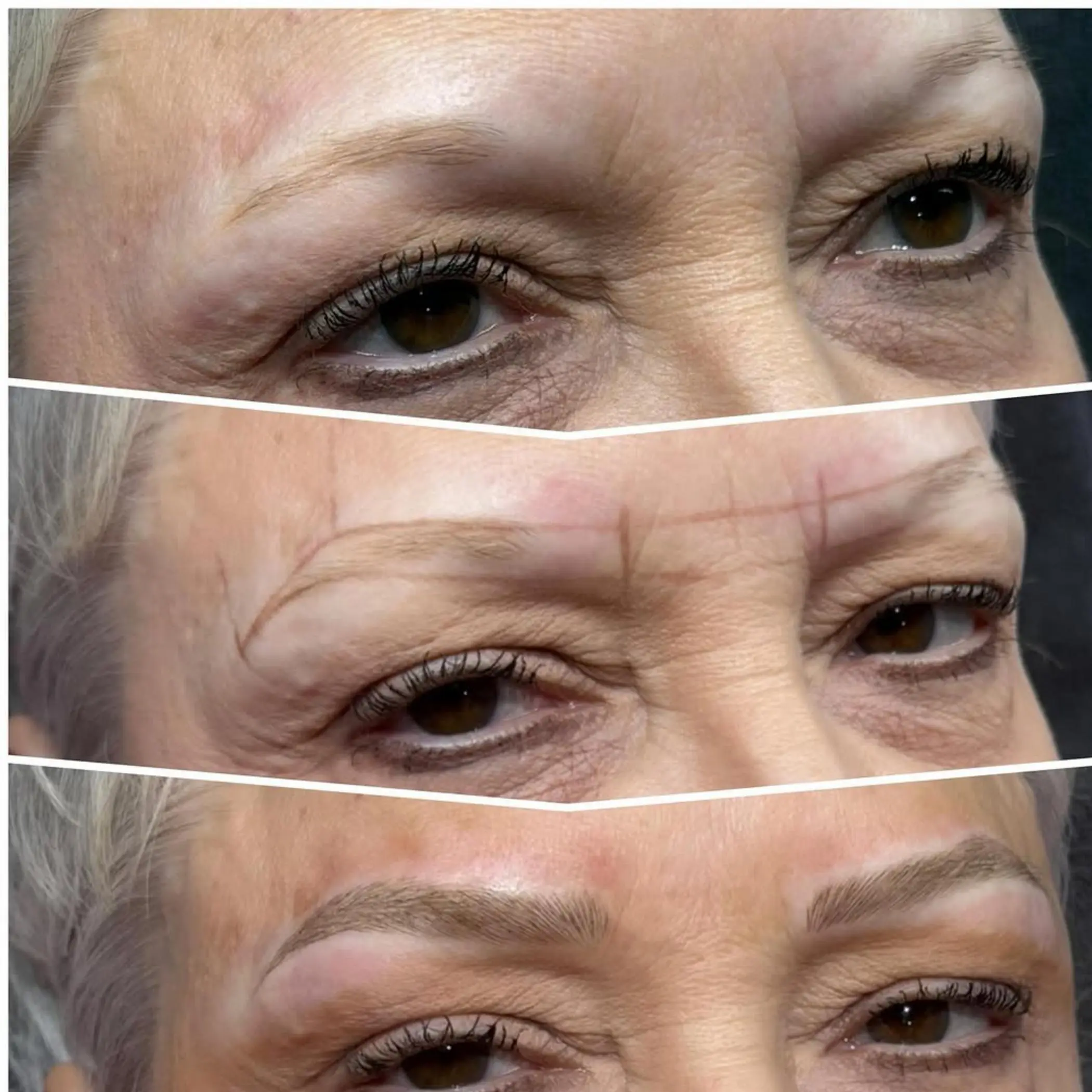
Now, the first time you hear the words “wet healing”, you might think it means leaving your brows literally wet all the time – but it’s really not that complicated. It just means keeping an eye on the area and making sure it doesn’t get too dry and cracked, which can be just as bad for the healing process as letting it get soaked.
What Wet Healing Really Involves
So, typically, what you’d do with a wet healing approach is clean the area as you’re supposed to, and then occasionally apply a tiny bit of a microblading aftercare product or balm specifically recommended by your artist. You only need a tiny bit – any more can make the area get too soft and actually affect the colour.
I’ve seen some pretty poor results from wet healing, but it’s almost always because clients get a bit worried that their skin is a bit tight and just keep reapplying balm over and over again. And that can actually make things worse – leading to some uneven tattoo colour, clogged skin and a whole host of other problems.
How Dry Healing Really Works
Dry healing with microblading means taking a pretty relaxed approach after the first clean-up. Lets face it – you just leave the brows be, don’t put any ointment on them & keep hands off as much as humanly possible while the skin starts to close up.
Some artists still use this method for the simple reason that some people have really oily skin and just can’t handle all that moisture. I use it for a few particularly greasy skin types or those who sweat buckets or have a history of things just not sticking to their skin. It can work out okay in some cases, but its no miracle cure.
When We Might Use It
Sometimes we’ll use a modified dry-healing approach for people with oily skin, super-active lifestyles, or poor brow retention from using all the wrong products. I mean, less product on the skin is just going to reduce how much moisture is sitting on there. However, we need to watch out for tightness, itchiness, and thicker scabbing that can occur if the skin becomes overly dehydrated.
This is where a lot of clients get caught out – the brows will initially look darker and crisply defined, then they get all flaky and finally settle to a final colour thats actually lighter than you expected. Most of the time, this is just part of the normal healing process and not a good reason to start picking at the brows.
What Changes During The Healing Process
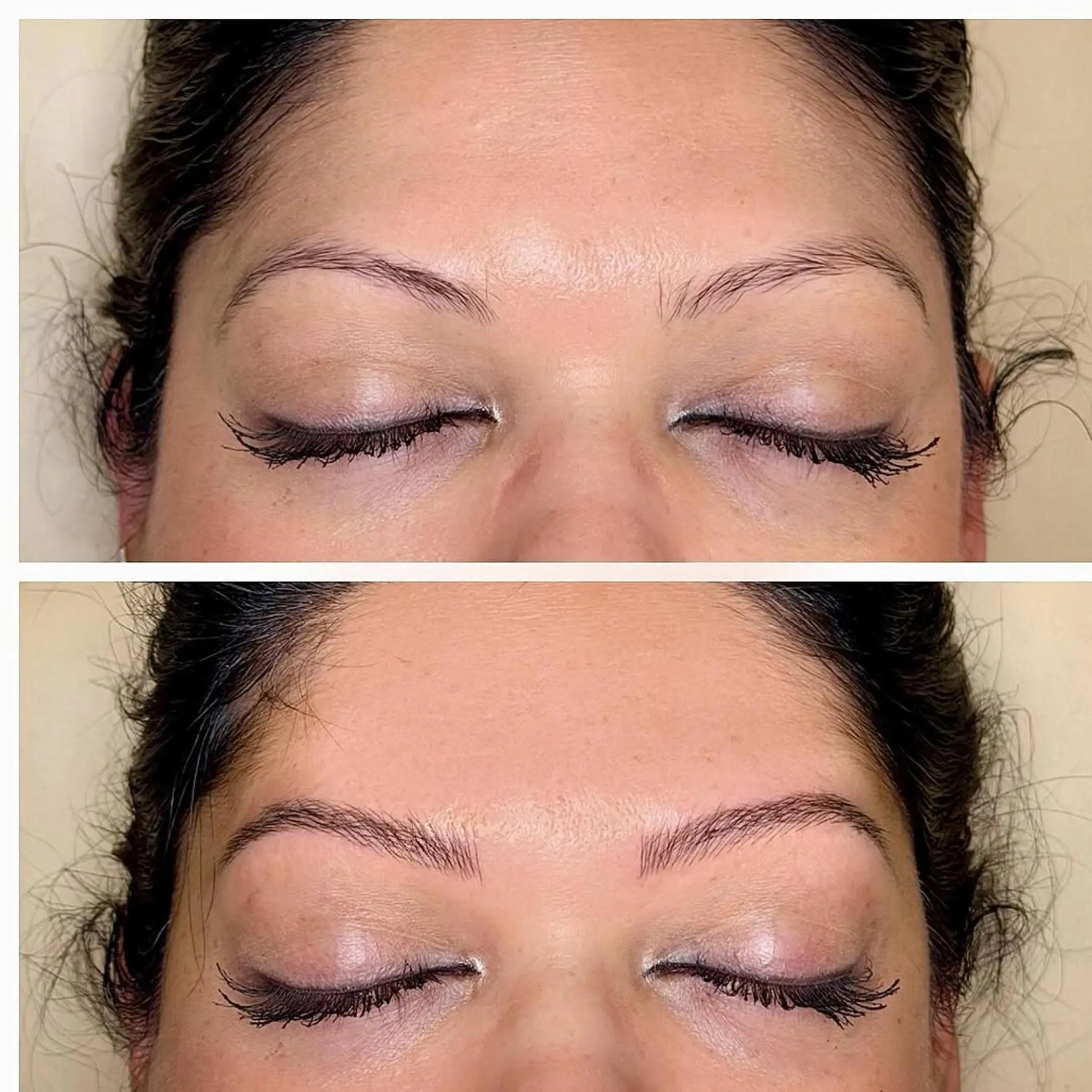
From what I’ve seen, the worst results usually come from taking things to an extreme – too wet, too dry, too much gym, too much sun, or (of course) too much fussing over the brows in the mirror.
Healing Differences At A Glance
| Factor | Wet / Controlled Wet | Dry / Modified Dry |
| Moisture Level | Low but supported | Minimal to none |
| Scabbing | Often lighter if the product is used correctly | Can be firmer or thicker if skin gets too dry |
| Pigment Retention | Often steady on normal to dry skin | Can suit oily skin, but not always |
| Infection Risk | Low if clean hands and correct product use | Low if kept clean, but cracked skin can irritate |
| Comfort | Usually better | Usually tighter and itchier |
| Best Fit | Normal, dry, mature, sensitive skin | Selected oily clients, modified only |
Industry-wide, influential trainers and brands have been contributing to discussions on clean healing, barrier support, and responsible aftercare for their clients. These conversations have been ongoing, but unfortunately, artists are still all over the place when it comes to protocols – which is why your personal technician’s aftercare instructions are worth way more than some random forum comment from 2019 that’s aged like last week’s bread.
Aftercare Should Be Tailored To Your Skin
There’s no one-size-fits-all way to heal from microblading. Your skin type, age, hormones, medication, skincare routine and even the weather (are you dealing with dry wind on a Melbourne day or sweltering heat?) can all impact your healing in different ways.
At Face Figurati, I customise aftercare because I know a 24-year-old with oily skin needs a very different aftercare plan from a 52-year-old with mature, dry skin that’s sensitive to everything.
Who Usually Does Better With Which Approach
If you’ve got oily skin, a modified dry healing approach with next to no products tends to work well.
If your skin is dry or mature, controlled wet healing can really help to reduce cracking.
If you’ve got sensitive skin, you’ll need to stick to super simple, fragrance-free aftercare and keep a close eye on things.
If you’ve got combination skin, a balanced aftercare routine that’s been tailored by your artist is usually the way to go.
Microblading isn’t suitable for everyone, unfortunately. If you’ve got very oily skin, enlarged pores, certain medical conditions, active dermatitis, have used certain skincare products recently, or have very high expectations, it might be better to stick to machine brow work rather than manual strokes.
Let’s Talk Realistic Treatment Logistics
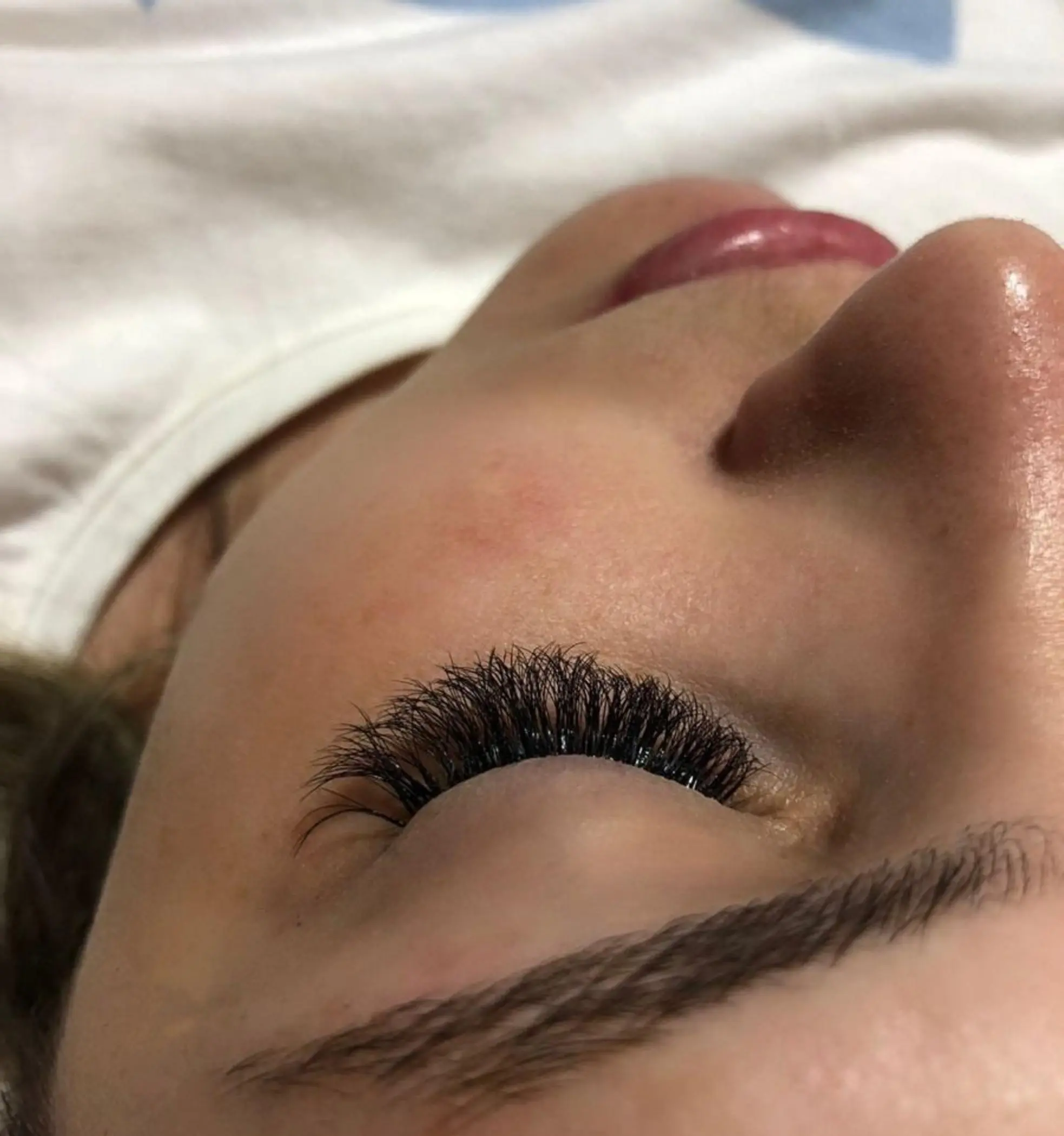
We need to talk about what’s actually going to happen when you get a microblading treatment, not just some brochure promises. A typical microblading appointment takes about 2 to 2.5 hours, and most people need a second session to achieve the best results. The perfect appointment is usually booked at 6-10 weeks after the first session, depending on how quickly your skin heals.
If you only do one session, don’t expect perfection – you’ll get some improvement, but that’s it. It’s all about getting the shape right first, and then we can worry about the density and the little gaps in the second session.
Your Aftercare Guide – Days 1 to 14
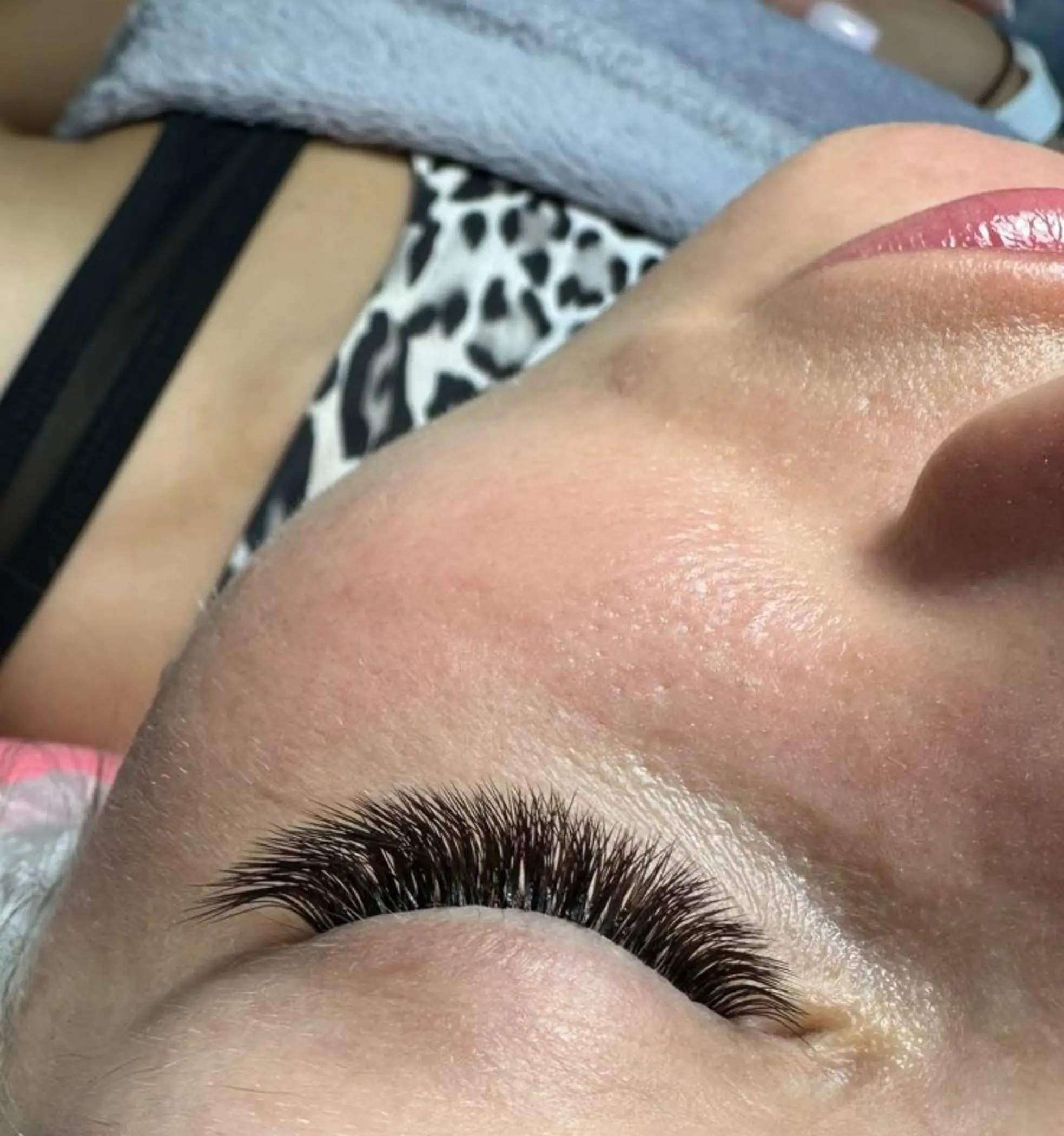
Day 1: If your artist says you need to blot off any lymph fluid, then do that. And just keep your brows clean, okay?
Days 2-4: Follow your aftercare instructions to the letter—no makeup, no gym, no swimming, sauna or getting caught in the direct sunlight.
Days 4-7: Be prepared for some flaking, but don’t even think about picking at it. Scabbing and peeling can vary depending on your skin type and the microblading method used.
Days 7-10: Brows are going to look lighter than they normally do – don’t freak out, the pigment will settle back in eventually.
Days 10-14: Surface healing should be coming along nicely, but the real healing is still going on beneath the surface.
Most people can head back to work the next day, provided they’re comfortable with having darker brows for a few days. But if you’ve got a social event coming up in the next few days, maybe it’s worth taking a rain check and rescheduling for another time.
Know The Mistakes People Make
One of the biggest mistakes people make is thinking that aftercare for cosmetic brow work is a minor thing. Trust me, it’s not. I’ve seen some amazing results ruined by people not following the right aftercare routine. A common mistake is using active skincare too close to the brows or sleeping face down – it might seem harmless, but it’s not. And don’t even get me started on someone thinking one yoga class is okay – it’s not.
Another thing that gets people into trouble is choosing a cosmetic artist based purely on price. In Melbourne, microblading can range from about AUD 400 to AUD 900 for a first-time appointment, and touch-ups are usually charged separately. And then there are the corrections, which can be even more expensive because they require more thought, time, and sometimes multiple sessions.
When to Say No to Treatment
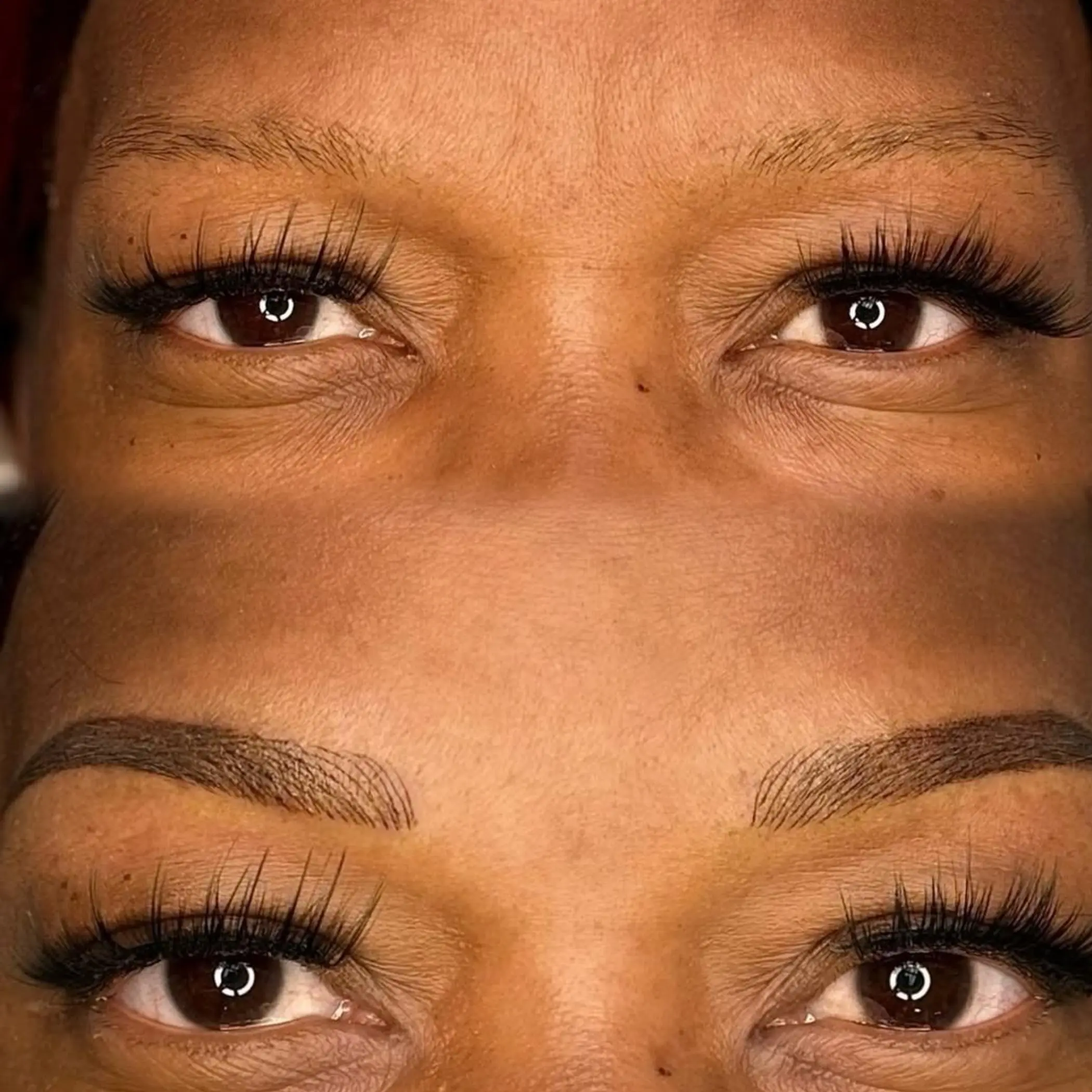
I’ve had to fix up work done by artists who rushed into a booking without doing any of this – and it’s usually the beginner artists who focus on getting the right strokes in place. Experienced artists know that good healing is what matters most.
Ask the Right Questions First
Before you book in with a cosmetic artist, ask them to explain how they handle consent, patch testing, hygiene, pigments and aftercare messaging. It’s not just about having good before-and-after photos; it’s about getting clear, honest advice.
At Cosmetic Tattoo Studio Melbourne Face Figurati, we take the time to explain the method, the healing process, the touch-up plan and who might not be a good candidate. Interested in cosmetic tattoo eyeliner? And you know what? It saves a lot of stress later on.
My Two Cents
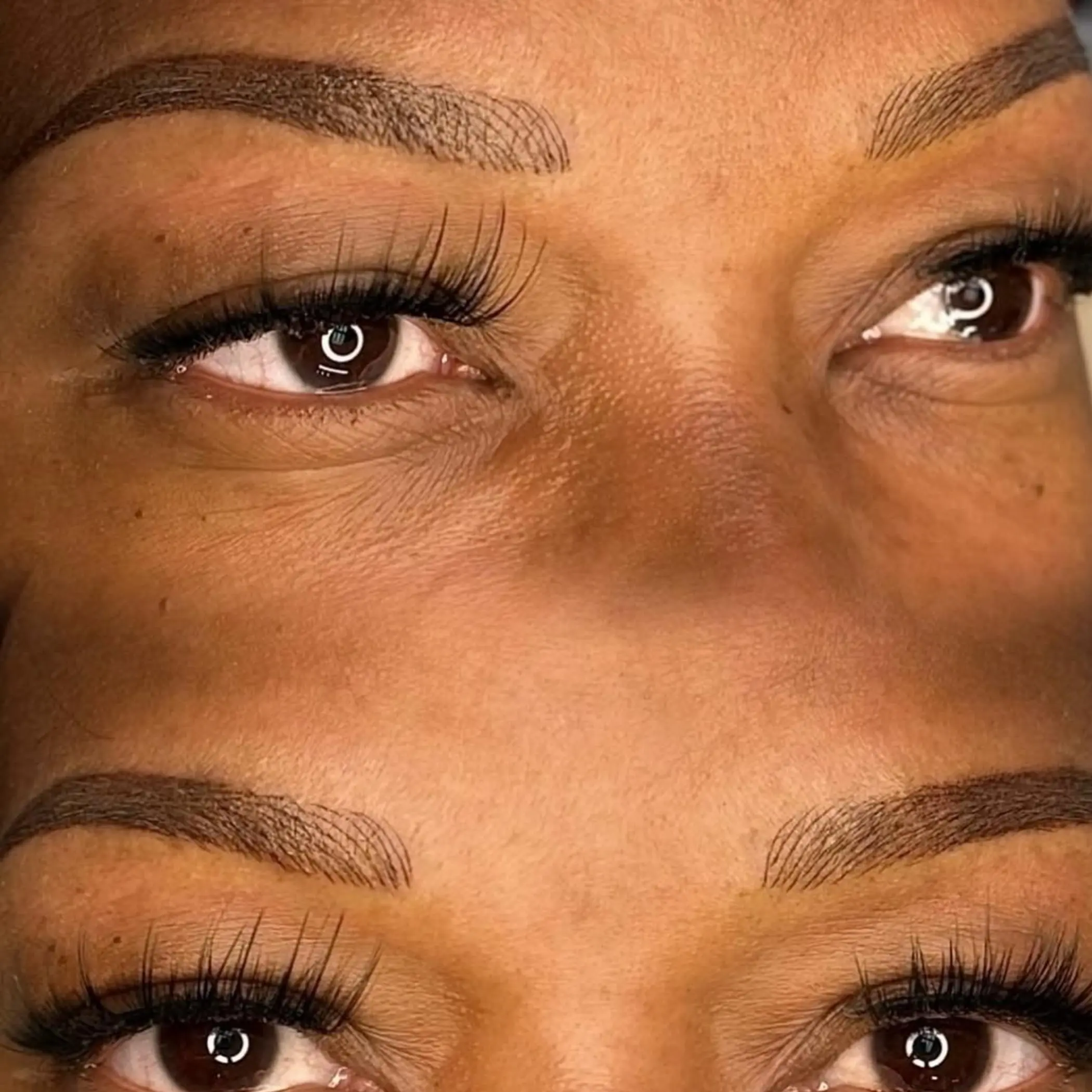
When it comes to wet healing vs dry healing, the answer is usually somewhere in between. Good aftercare is all about keeping things clean and minimal, skin-specific and realistic about how brows actually heal in everyday Australian life. If you’re still confused about which method is best for your skin, contact Face Figurati. I’m more than happy to walk you through it properly.
And I’m happy to do it before your appointment, rather than trying to fix up your brows after you’ve gone and used coconut oil to “solve” all your problems.
FAQ
Is dry healing or wet healing better?
Usually, a controlled middle ground is better. Most Australian artists prefer modified dry or controlled wet healing.
Should you dry heal microblading?
Sometimes, but not always. It can suit oily skin, but strict dry healing is not ideal for everyone.
What is the most natural-looking eyebrow procedure?
For the right skin, soft microblading can look natural. If you’re considering powder brows vs microblading, keep in mind that for oily or mature skin, machine brows may heal better.Why are people removing microblading?
Common reasons are poor shape, colour changes, migration, or old work that healed too heavily.
Can I use any ointment on my brows?
No. Only use the product your artist recommends. Random ointments can affect healing and retention.