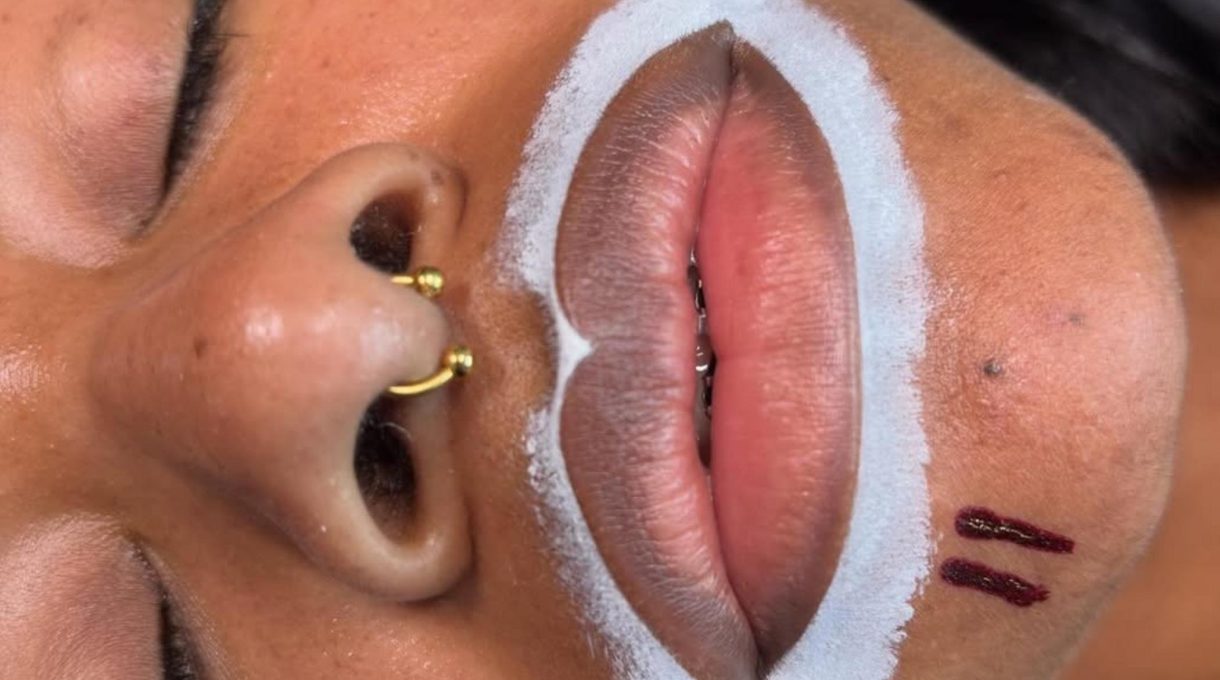
If you’re wondering how long the lip liner tattoo ghosting phase lasts, the short answer is this: for most of my clients, they start seeing that pale or “disappeared” look around 4 to 10 days after getting the tattoo, and it usually settles in the next 1 to 3 weeks. Put it this way – your lip tattoo colour will probably look too dark at first, then for a weird few days it’s going to look a bit too light, but after that it starts to look like itself again as it continues to heal. And honestly, that initial fade is pretty normal in many cases.
I’m Olha Po, and at Cosmetic Tattoo Studio Melbourne Face Figurati, one of the most common messages we get is: “My lip tattoo colour just disappeared – did it fall out?” And the answer is almost always no. What’s happening is that the pigment is just sitting underneath the healing skin, and it needs to come to the surface a bit.
A Warm Consult First
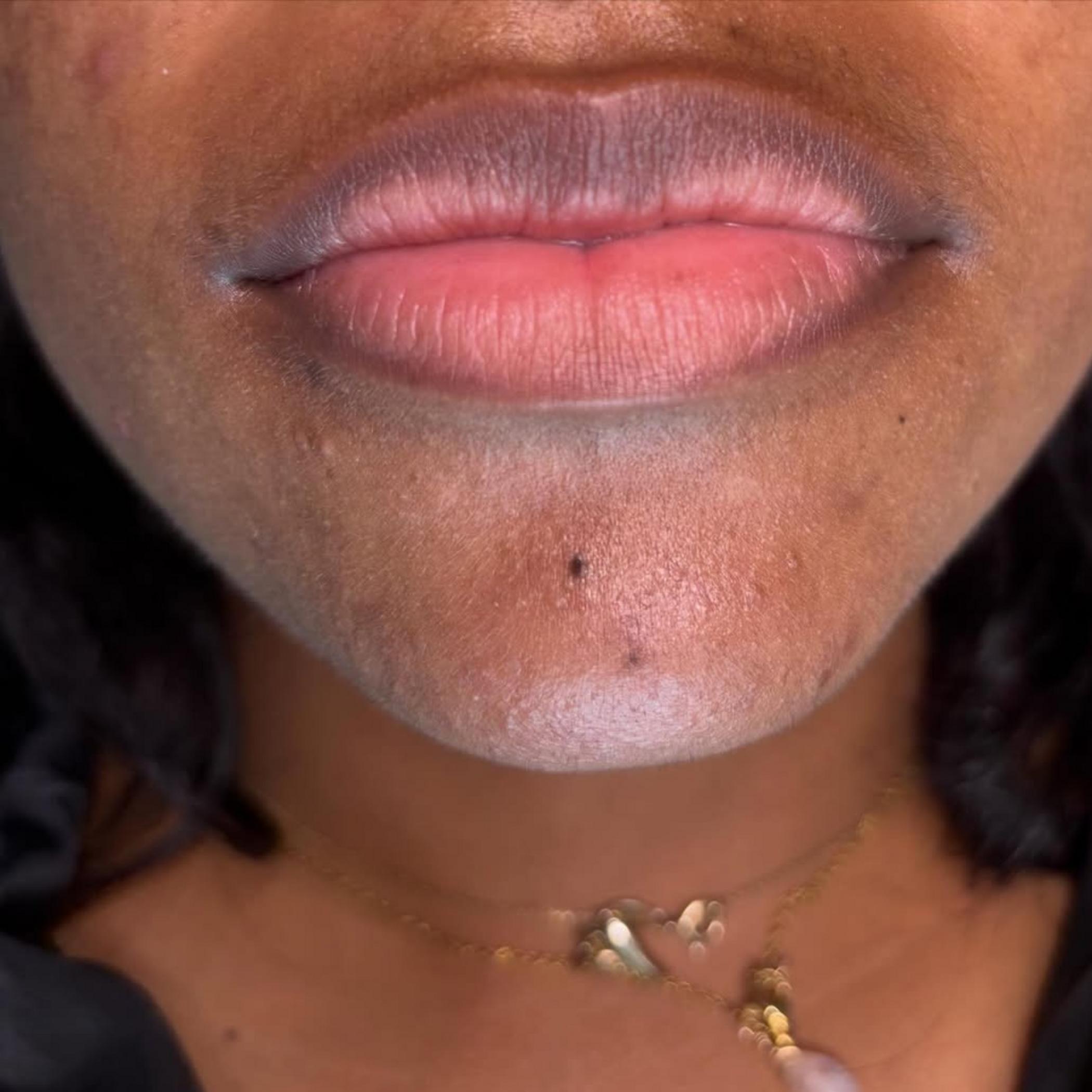
Let’s cut to the chase – that ghosting stage can be pretty unsettling. You leave your appointment with a result you can see, and a few days later, your lips can look all patchy, pale, or like you just totally missed the mark.
But here’s the thing – when you understand what’s going on during the healing process, it makes a huge difference. By getting a good sense of the timeline, you’re way less likely to freak out, start picking at scabs, or assume the treatment didn’t work when it’s just having a normal setback.
What The Ghosting Stage Means
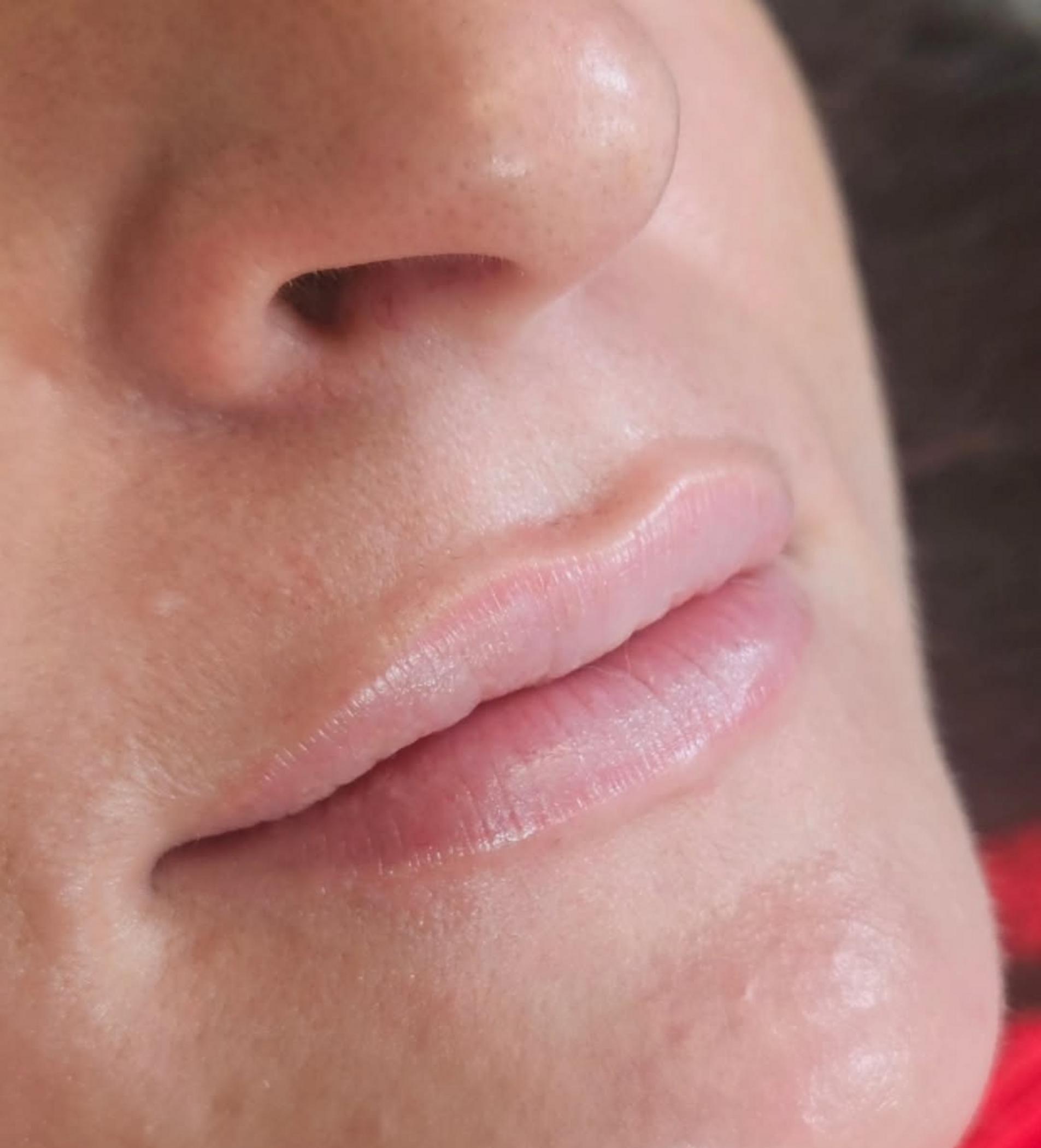
So the ghosting phase is basically when the surface of the healed skin makes your tattoo look lighter than expected. It can happen with Lip Blush, full lip work, tattoo lip liner, or even just a defined liner touch-up. What’s happening here is that the fresh skin forming over the treated area makes the pigment look kinda cloudy, muted or almost invisible for a little while.
That’s why people are always searching for “lip pigment disappearing temporarily” or asking why their lip tattoo is fading so dramatically. The thing is, the tattoo pigment sits in the upper dermal layer, but the healing process happens right above it in the epidermis. That’s exactly why the colour can seem to just vanish before it comes back to life.
Your Healing Timeline
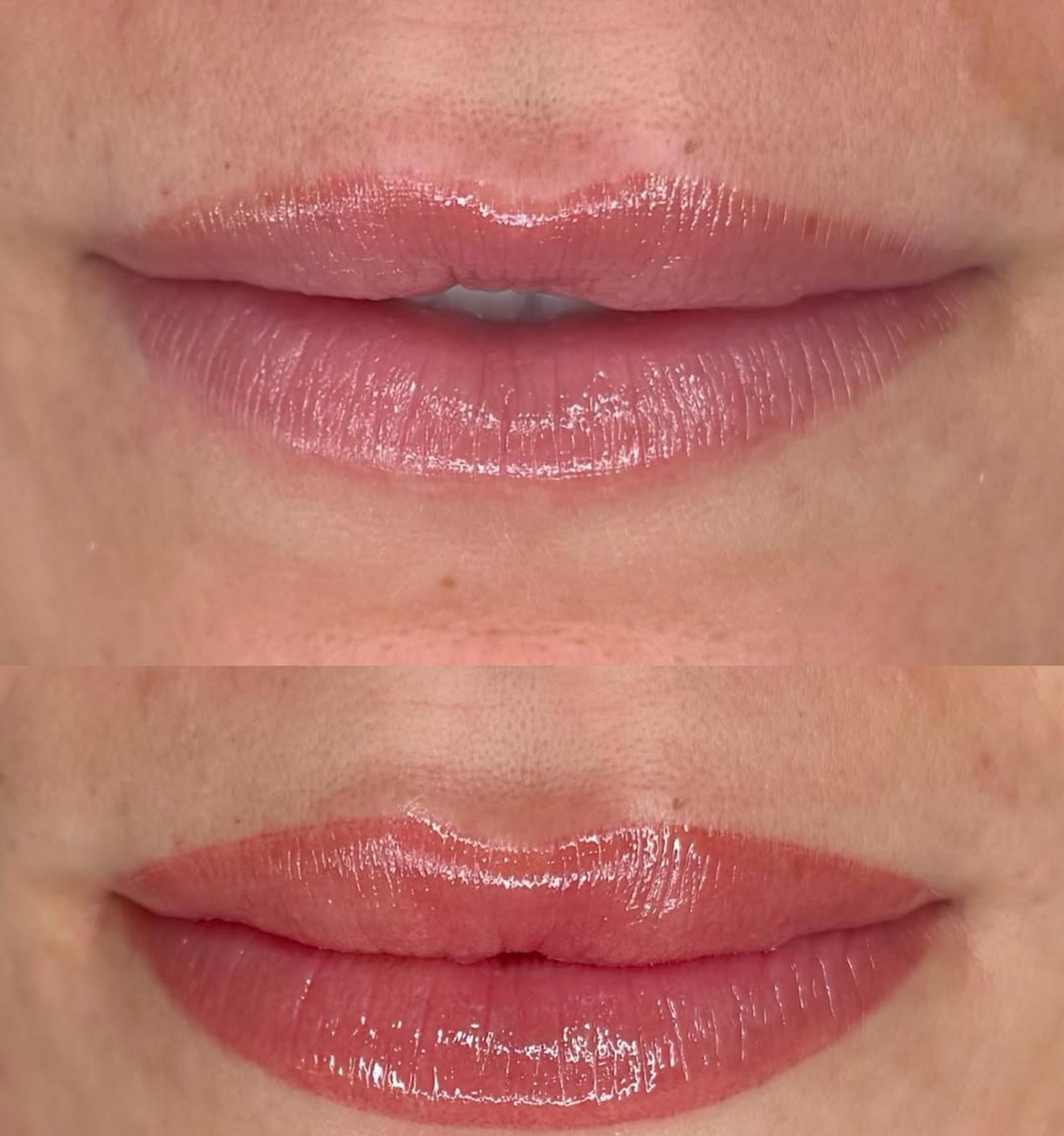
Getting a realistic idea of what’s going on during the healing process saves a lot of stress. Most lip tattoos don’t heal in a nice, neat line from day one. There’s swelling, tenderness, dry skin, peeling, and flaking and then sometimes that weird washed-out phase before it all settles down.
In Melbourne, I see a lot of seasonal variations too. The cold wind, heaters sucking the moisture out of your skin, dehydration, and even the sun beating down in summer can all make healing take a bit longer or mess with the result in the first two weeks.
Day-By-Day Colour Changes
Here’s what I see most often in-studio after doing hundreds of lip PMU (Permanent Makeup) appointments.
| Healing Stage | Typical Timing | What You May Notice |
| Fresh Result | Day 1 | Colour looks brighter, sharper and 20% to 40% stronger than the healed result |
| Early Recovery | Days 2 to 3 | Mild swelling and tenderness, dryness, slightly deeper tone |
| Peeling Period | Days 3 to 5 | Light peeling and flaking; some areas can look uneven |
| Ghosting Stage | Days 4 to 10 | Colour fades right back or goes patchy; clients think nothing stayed |
| Return Phase | Weeks 2 to 4 | Soft pigment reappearance, better blending, more natural tone |
| Settled Result | Weeks 4 to 8 | More stable healed result; ideal time to assess for touch-up appointment |
That timeline is pretty standard, but not at all identical for everyone. If you only have a single session, you can expect to see some improvement in the shape, tint, and all that – but perfect density is not always guaranteed – a second session is often what really refines the outline, balances the tone, and helps colour retention.
What Catches Clients Off Guard
The thing is, people are often surprised by how soft their healed lips can look compared to day one. It all comes down to expectations vs reality—those who expect the dense outline of a traditional lip liner tattoo are often relieved to see that the result usually ends up looking a lot more natural and diffused.I had this client in Melbourne – uneven cool-toned lips, she messaged me on day 6, convinced that her liner had completely vanished. But by week 3, the outline had all come back in soft and even. You see, most people get it all wrong because they judge the result during active healing rather than waiting until the skin has settled.
Why Colour Seems To Vanish
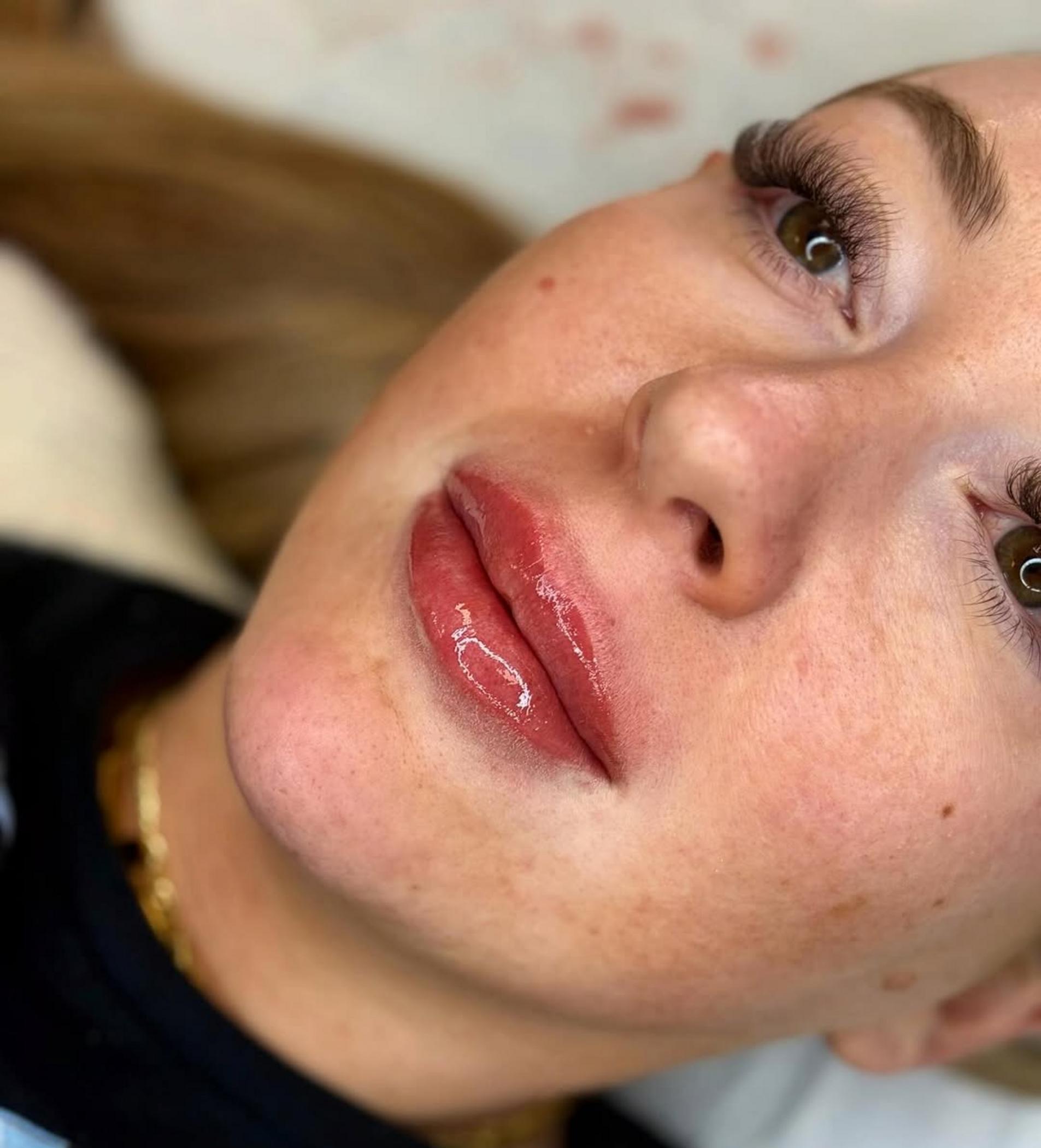
It usually has a pretty boring explanation, not some dramatic story. Your skin is just frantically repairing itself, and that process changes how light reflects off the area altogether.
There are a bunch of technical and lifestyle factors that can affect how long lip ghosting lasts, and if you spend time in the water, issues like aquarelle lips tattoo ghosting become even more relevant. Some are pretty normal, a few are preventable, and yes, a handful are artist-related.Normal Reasons For Temporary Fading
During healing, a thin layer of new skin forms on your lips, which can make the pigment look pale or greyed out until the surface clears. Mild scabbing, dryness and peeling can also make the colour look a bit patchy.
Another factor is swelling. If your lips are a bit swollen on day one, the result can look fuller and stronger, but as the swelling settles, the colour looks less obvious. That’s why people are all like, “Why does my lip tattoo look so faint after 2 days?” Well, in most cases, it’s just the healing process doing its thing.
When Technique Or Lifestyle Matters
Experience also plays a big part in this. Beginner artists often just work too shallowly or choose the wrong pigments, which can reduce retention. At Face Figurati, we use the right certified pigments, we use professional machines, and we actually take the time to assess lip tone, sensitivity and shape before treatment – we don’t just guess and hope for the best.
How To Support Retention
You cannot force pigment to heal darker, but you can absolutely avoid making it heal worse. The first week is when many clients either help the result along or accidentally sabotage it with good intentions and bad Google advice.
Melbourne clients often book around events, work and travel, so timing matters. If you can, avoid booking right before beach days, ski trips, weddings, dental work or a spicy-food festival weekend. Your lips would like a quiet week, thanks.
Simple Aftercare That Helps
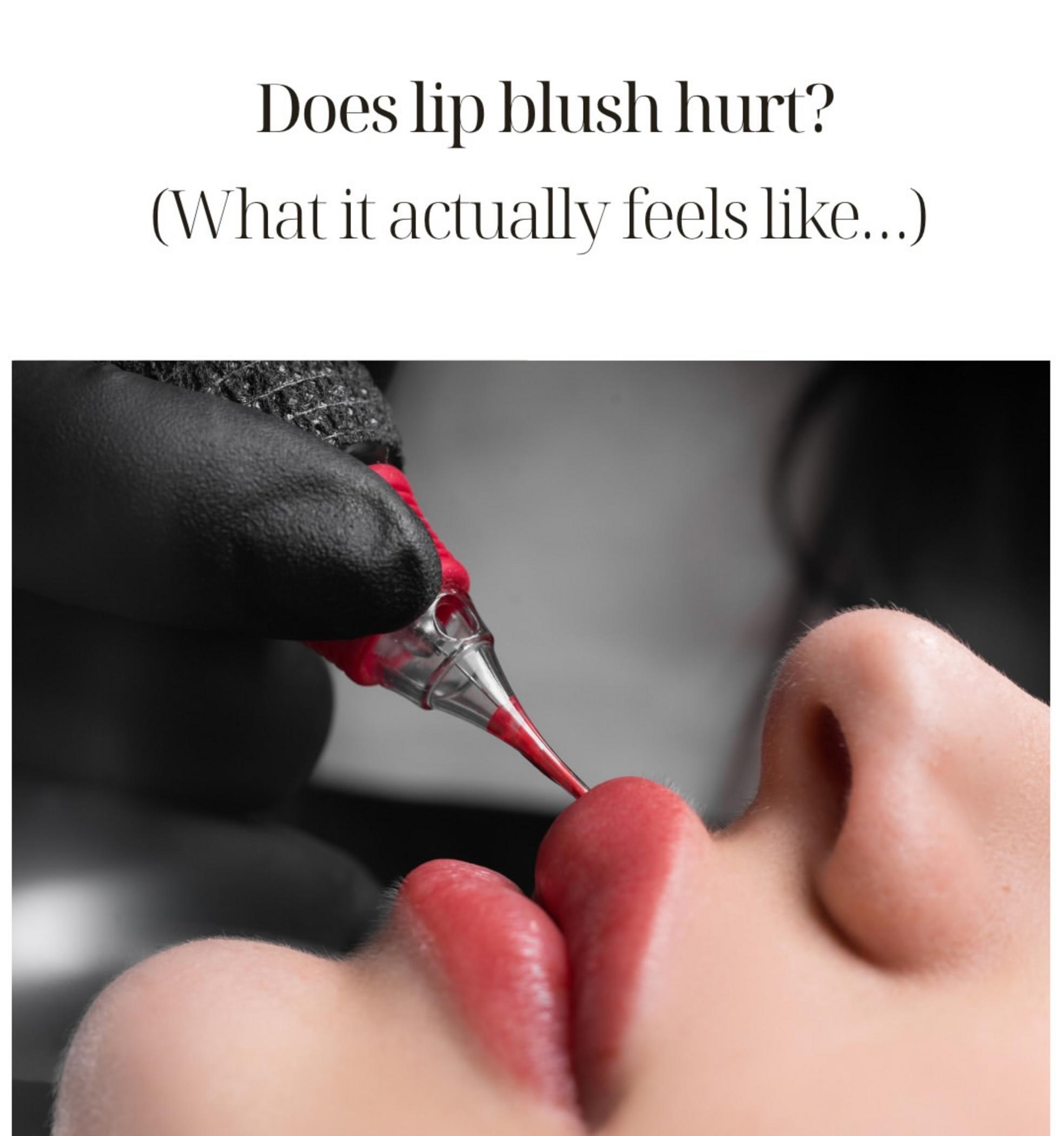
Follow your artist’s plan exactly, because different techniques and skin responses vary. In general, the most useful aftercare instructions are:
- Keep your lips clean and use only the recommended balm
- Do not pick peeling skin
- Avoid makeup on the area until advised
- Avoid intense exercise, pools, saunas and heavy sun in the first few days
- Hold off on acids, retinoids and active lip products nearby
- Stay hydrated and avoid excessive friction or lip biting
Most clients can return to work the next day if they’re comfortable with a stronger initial colour. Socially, day 1 to 3 is usually the most noticeable phase. By the end of week 1, lips often look lighter, not worse, even if the final result is still on the way.
Who Should Delay Treatment
Lip tattooing is not suitable for everyone every day. If you have an active cold sore, cracked lips, a current infection, recent filler complications, or you’re unwell, delay the appointment. Clients with a history of herpes simplex may need medical advice about antiviral support before treatment.
Typical Melbourne pricing for lip liner or lip blush is around AUD 450 to AUD 900 for the initial session, depending on the artist’s experience, any correction work, and whether a touch-up is included. Corrections and dark-lip neutralisation can be more expensive.
When To Check In
Some fading after a few days is pretty normal and might look a bit patchy or shift in colour, but it’s not the end of the world. Severe pain, spreading redness, swelling that’s hot to the touch, pus, a fever, or a nasty smell – that’s the kind of thing that warrants a trip to the doctor, pronto.
If you’re healing up okay but the result hasn’t quite turned out as you’d hoped, the next step is usually to hang fire and see how it settles in. And honestly, at this point, guidance and reassurance from your artist means a lot more than some sales patter.
Touch-Up Timing And Red Flags
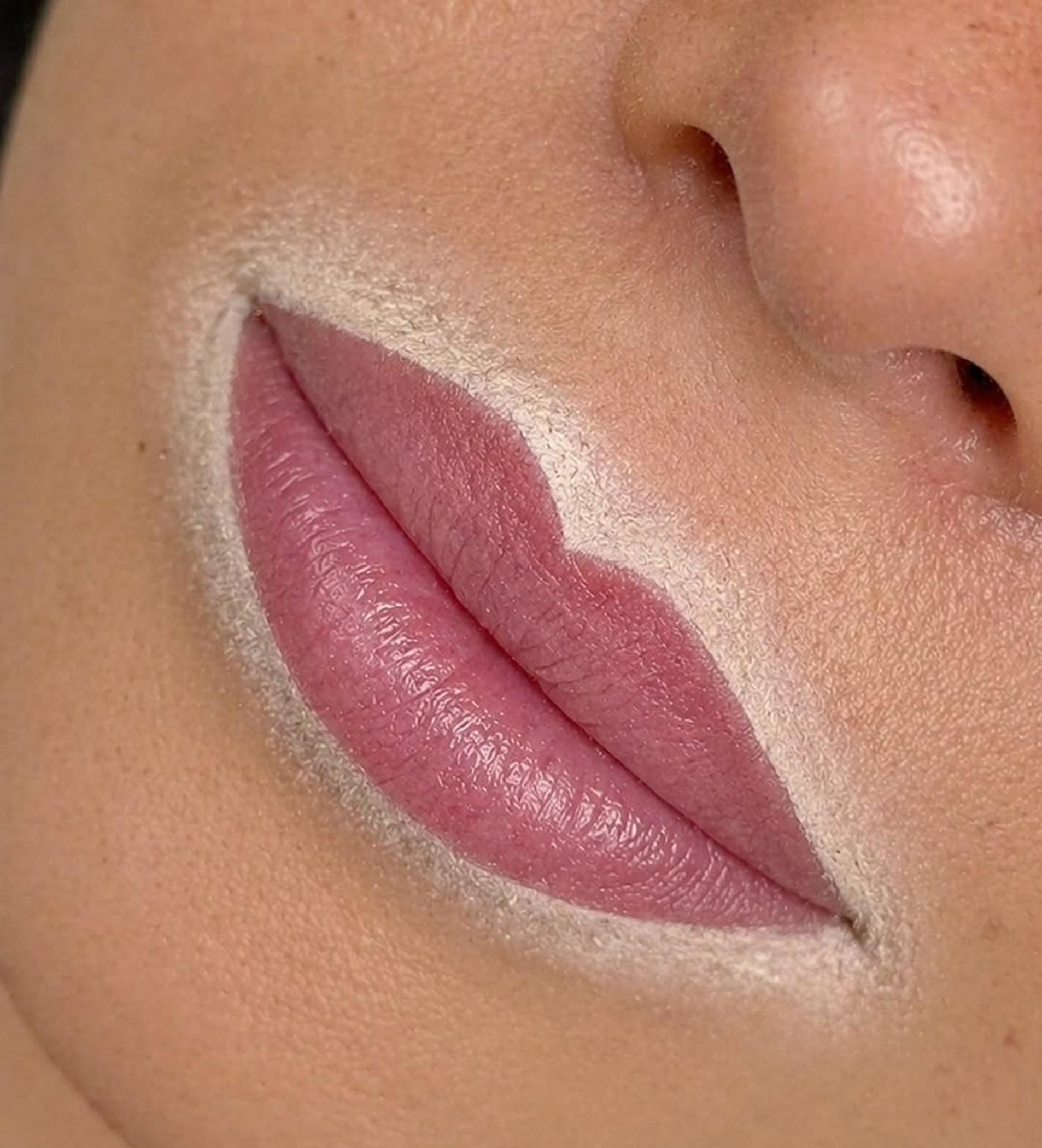
Inner-lip work is a bit different, though. If you’re wondering how quickly an inner-lip tattoo will fade, the answer is usually a lot faster than a regular lip tattoo, because that delicate tissue inside just can’t hold onto the pigment as well.
Common Myths I Hear
One thing I keep getting told is that if the colour has gone from your lip tattoo, then the whole thing has gone wrong. Not so. Another myth is that one single treatment will give you a full-on, vibrant colour right from the start. Sorry, but it doesn’t quite work that way. Lip blushing is usually something that’s built up over a few sessions.
And then there are the people who turn up after following some dodgy online advice about slathering on loads of ointment. Newsflash: that’s just going to soften the skin way too much and cause more problems than it solves.
My Final Advice
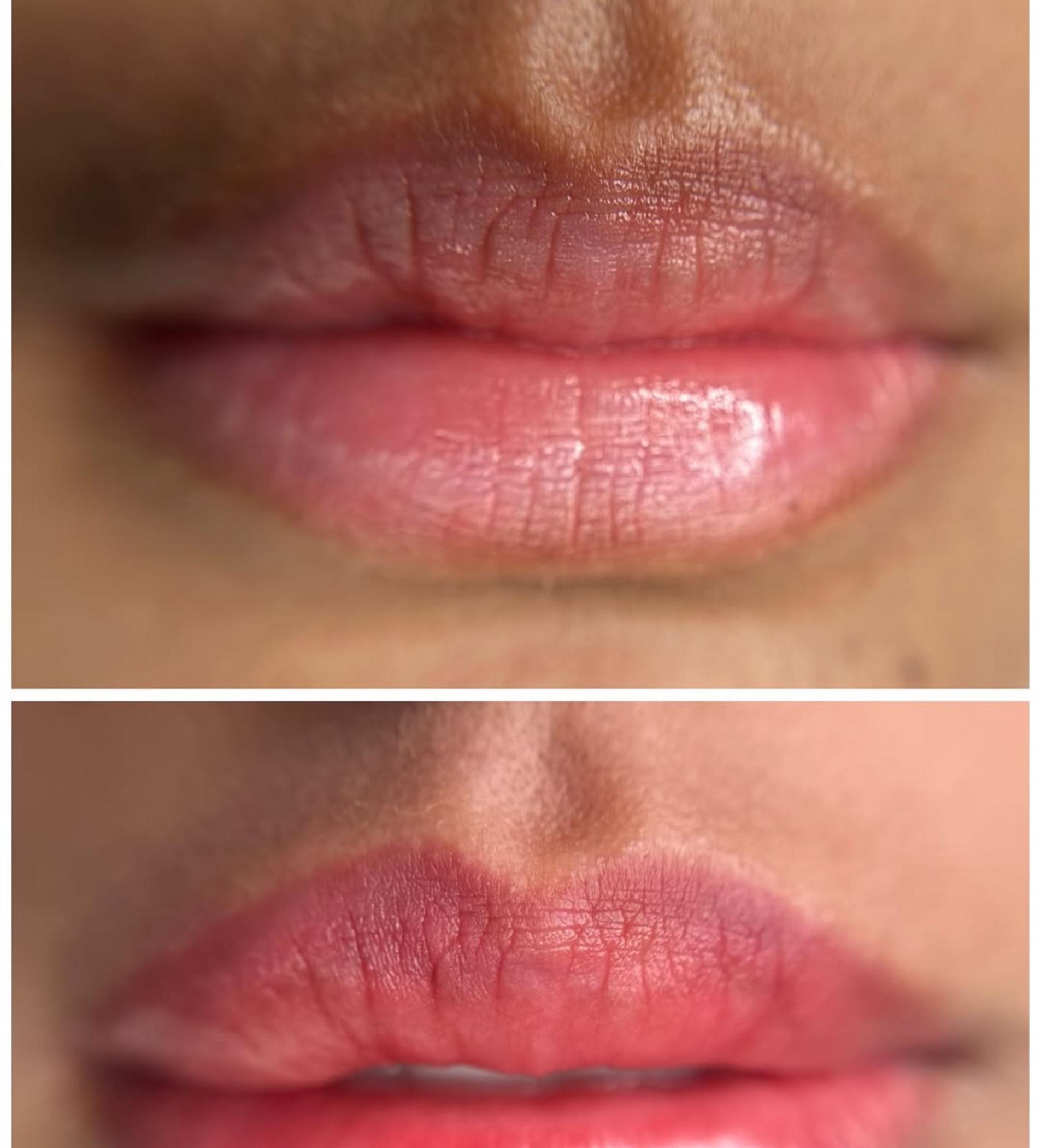
Don’t panic if, a few days in, your lip tattoo looks like it’s vanished into thin air. In most cases, that pale stage is temporary, and the colour will start returning over the next couple of weeks. It’s not until you’re around 4-8 weeks in that you can really start to assess the final result.
I’m Olha Po, and at Cosmetic Tattoo Studio in Melbourne, Face Figurati, I always try to give you the straight-up version, rather than some glossy, sales-y nonsense. Still a bit unsure if things are tracking okay with your lip tattoo? Get in touch – I’d be happy to walk you through it all. The bottom line is, ghosting is pretty common, patience is a virtue, aftercare makes all the difference, and you shouldn’t make any final judgments until the skin is fully healed.
FAQ
How long does that fading business last?
Usually, it takes anywhere from 3 days to a couple of weeks, and then the colour starts to come back around the 2- to 4-week mark.
Why Is My Lip Tattoo Going Grey After 2 Days?
Honestly, it’s pretty normal for the colour to fade off a bit in the first few days. Swelling drops, the surface dries out, and the healing skin just tends to mute the colour a bit.
Why Does Lip Blush Disappear and Then Come Back?
It’s just a matter of the new skin forming over the pigment, and later the colour becomes visible again as the healing process wraps up.
Is Patchiness During Healing Normal?
Yeah, a bit of patchiness is pretty common, especially when the skin is flaking and peeling. But the final verdict won’t be rendered until around the 4-8 week mark.
When Should I Start Worrying About My Healing?
If you’re feeling pretty bad off, or you start to notice severe pain, increasing redness, heat, pus, a fever, or just generally looking like you might be coming down with an infection, it’s time to get medical help and give your artist a call.