
There is a simple rule to any roof work in Australia: when the conditions are such that you could be put off balance or misread a hazard, do not go through with it. It is not a matter of donning a hat and putting one’s trust in luck; proper safety means you have to plan for the elements, be they wind, lightning, rain or the roof itself.
I am Julian Norwood and home maintenance has taught me not to be an optimist on a roof. A ladder may stand firm on a dry morning but is another thing altogether once it has rained; an unassuming afternoon can get up to speed and become very gusty in short order. To be safe you need to read the forecast, look at the surface, have your fall protection in place and have the sense to come back down when called for.
Assess The Roof And Weather First
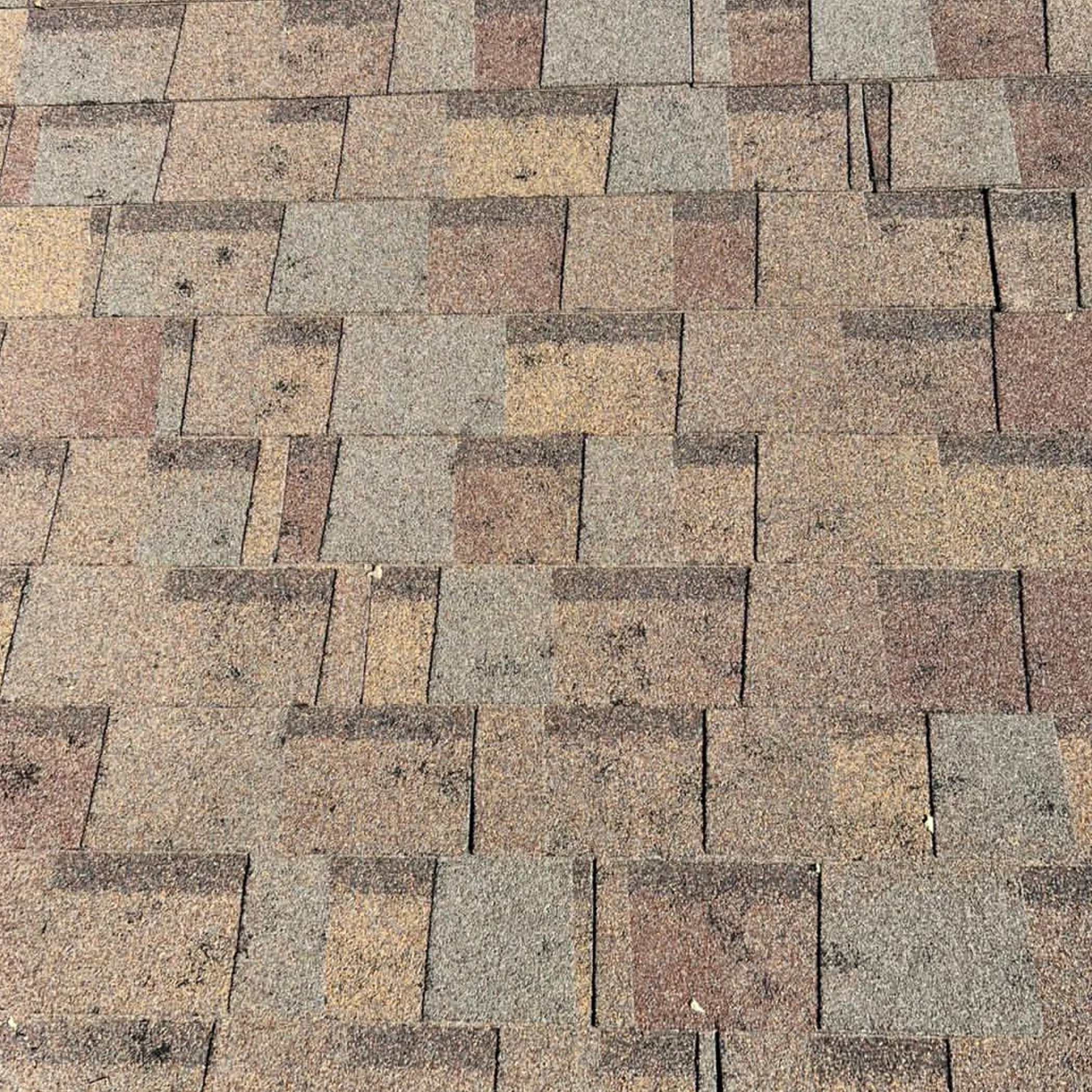
Some preparation will save you from having to deal with an ambulance and an insurer over a long afternoon, not to mention the awkwardness of explaining it to the family. Make an appraisal of the task, the access, the roof and the forecast before you put a hand on a ladder.
Weather in this country can be quite different from one suburb to the next, or between the coast and inland. Have a look at the radar and any warnings in force. You will want to be more circumspect on an exposed coastal roof or where there are trees and powerlines about, as well as on an elevated home in the hinterland. For timing guidance, see the best seasons to clean roofs.
Inspect The Surface And Access
Do not be taken in by a translucent sheet and think it can bear your weight; older roofing and skylights have a way of letting you down without much notice. Check for anything from loose tiles and moss to wet leaves, corrosion and damaged flashing.
Your route up should be planned from the ground. Ladders are to be kept on even, solid footing and out of the way of doors and vehicles and overhead lines. Should the ground be soft or on a slope, find another way or call in a pro. There is no call for making do with a stack of bricks or something from the shed.
Complete A Weather Risk Assessment
This entails looking at everything from the pitch and height of the roof to your emergency plan and the equipment at hand. Metal roofing can reflect enough heat to cause stress regardless of what the thermometer says.
By way of a practical measure, time your work to the cooler hours of the day, though if the dew has made things slick there is no point in getting an early start. In the Top End and northern parts of the country a storm in the wet season is quick to develop; further south a cold front can put up some wind before it seems all that threatening.
Reliable Fall Protection Equipment
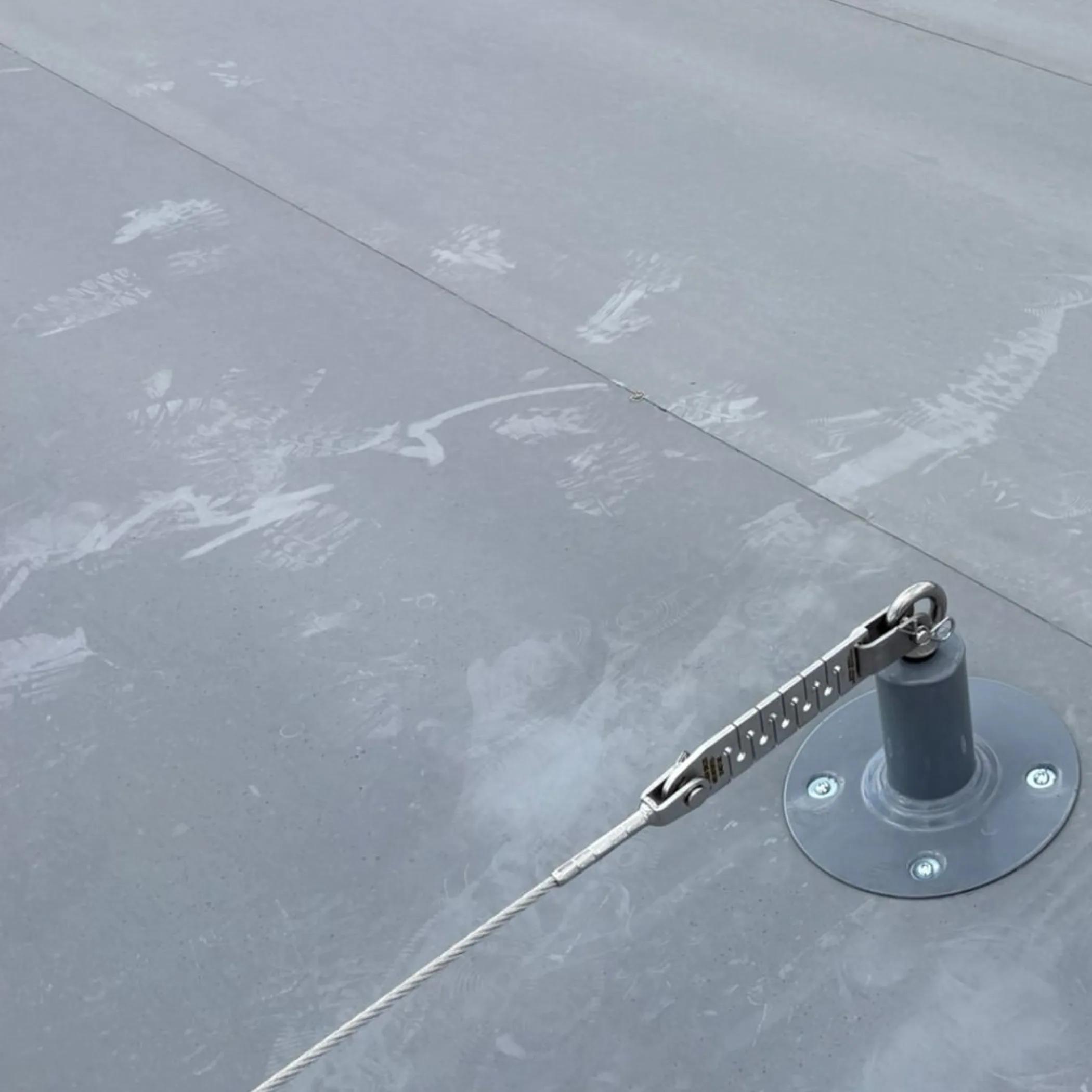
You need a system suited to the job and the weather, properly put in place. Good gear will give you some leeway but will not of its own accord make a roof safe.
Safe Work Australia has national guidance for working at height which is worth consulting, but one should also be aware of local laws from state and territory regulators, WorkSafe ACT for instance.
Controls To Match The Hazard
Personal protective equipment should be a last resort after collective measures. Put up scaffolding, guardrails, edge protection or a restraint line as the situation dictates.
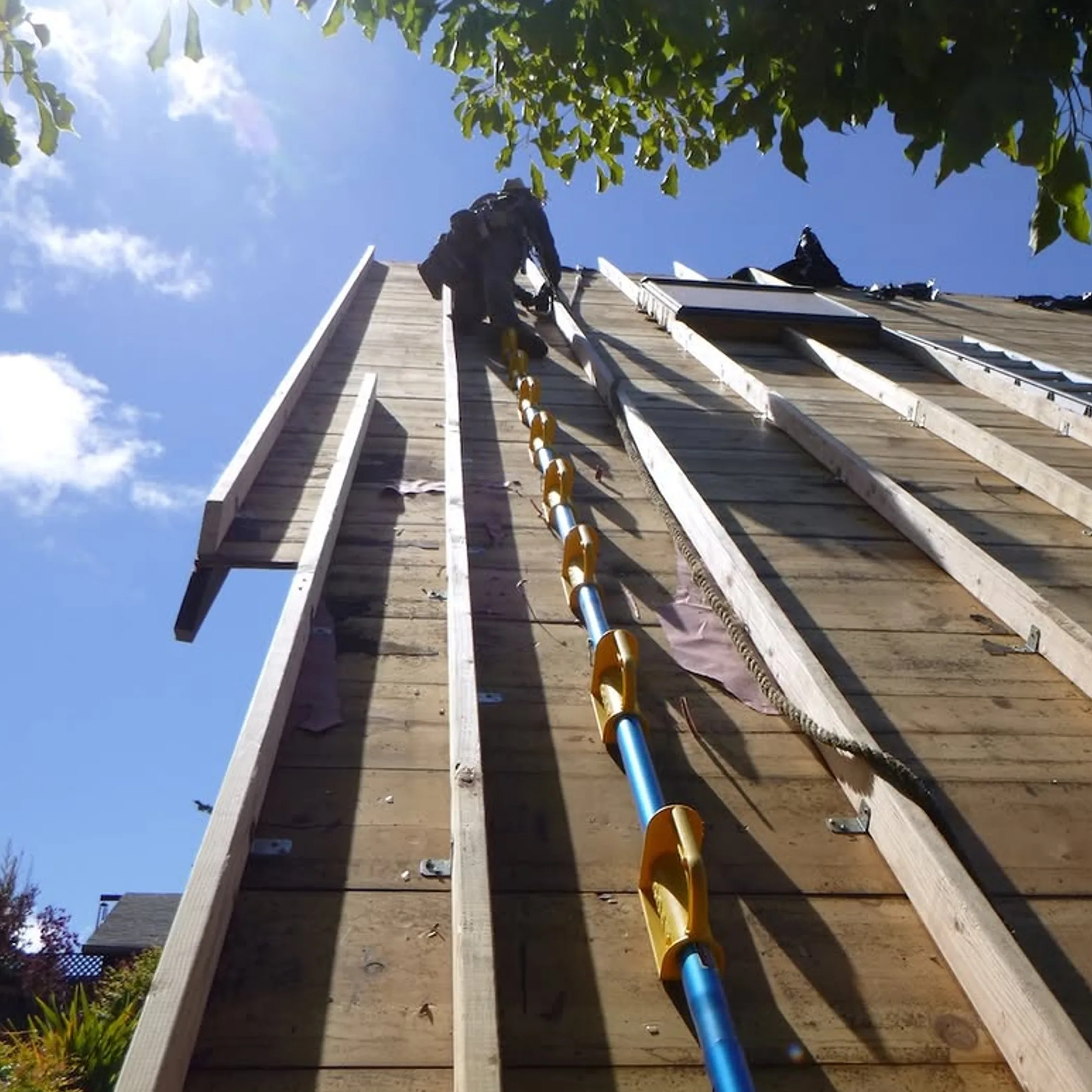
A harness is no magic parachute. You need the right anchor points and a rescue plan to go with it. A fall-arrest system might halt a fall but the person left hanging and injured while they wait for help is still in a bad way. Restraint lines are to keep a worker from the edge.
Put on non-slip shoes for the material you are on and the PPE the task calls for, be it for the eyes, ears or sun. Give your ladders, ropes and anchors a once-over before use and put anything that is not up to scratch out of service.
Australian Requirements
In a construction context you may be doing high-risk work. Under our safety frameworks a 2 metre fall is often so considered, yet the hazard is there at lower levels too. What is required of a homeowner, contractor or worker will vary by property and state. Regulators like WorkSafe ACT have their own guidance and requirements on the matter. While the HIA is a source of industry information, one should not mistake it for legal counsel or a substitute for what the regulator demands. Where there are several workers on site or the work calls for major repairs, dealing with fragile materials or difficult access, then you will want to put in place a method statement for that particular site and seek the advice of a professional.
Heat And Sun Exposure
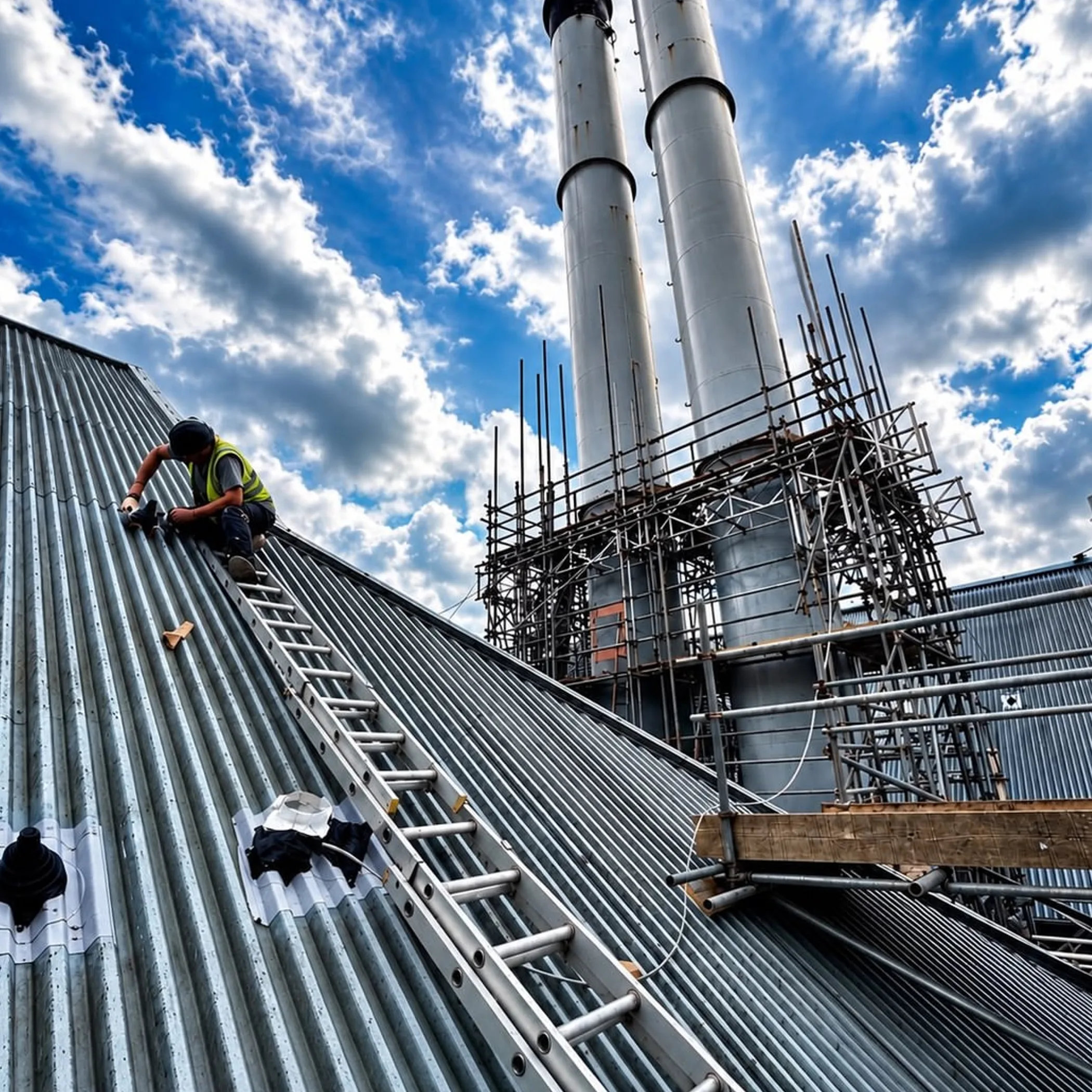
A roof job in hot conditions can easily become a medical emergency. With metal roofing, dark tiles and concrete all radiating heat and the roof itself affording little in the way of shade or breeze, things can get intense. Heat stress has a way of clouding judgement before any symptoms are apparent; a bad mix when each step is critical.
Prevent Heat Stress
To head off heat stress: make a habit of drinking water and do not put it off until thirst sets in. Put in some time in the shade or air conditioning as part of your schedule, rotate the more taxing duties and eschew working by yourself in the extreme heat. Be on the lookout for signs like dizziness, a headache, nausea, heavy or no sweating at all, confusion or an odd fatigue.
If someone is unwell, do not have them return to the roof because the gutters are nearly done. In the event of collapse or confusion, call off the work and put first-aid procedures in place, summoning emergency services if the situation warrants it. Get the person to somewhere cool.
Skin And Eyes
Wear long-sleeved but light clothing, a broad-brimmed hat (where safe), UV sunglasses and sunscreen which should be reapplied often. One must also protect hands yet retain a good grip. Dangling cords, a hat not properly secured or baggy clothes have a tendency to get caught on ladders and equipment.
It is best to put off the heavier work for the morning or late afternoon, provided the dew and the light do not introduce other risks. A large bottle or tool bag is not something to be holding while climbing; use a container that is secured or take care in carrying water up.
Rain Wind And Storms
There is no better excuse to put off roof work than rain and wind. The former can hide defects and leave the roof with less friction, the latter can make of ladders, tools and sheets a moving hazard. Safety in these conditions is about not letting matters get out of hand. If a gust is already at the materials or the surface is slick, waiting for the thunder is not an option.
Wet Roofs
Unless a qualified man has put a system in place for the task, walking on wet painted surfaces, metal or tiles is not to be done. The ground around the ladder feet may be soft from the rain and grit washed onto the path can make coming down more perilous than the ascent.
Any temporary coverings put over unfinished work should be made secure from the wind and allow for drainage. As for waterproof sealants, they require the temperature and dryness the manufacturer says they do; a damp joint will give you false confidence and be the source of leaks later.
Respect Strong Winds
When the wind is up, ladders can be made unstable and tools and sheets will move if not tied down at ground level. Keep people clear of where objects might fall and set an exclusion zone. You may find the eaves are calm but the ridge is anything but; if you cannot put both feet down with stability and have a firm hold on the roof, get down.
Lightning Hail And Storms
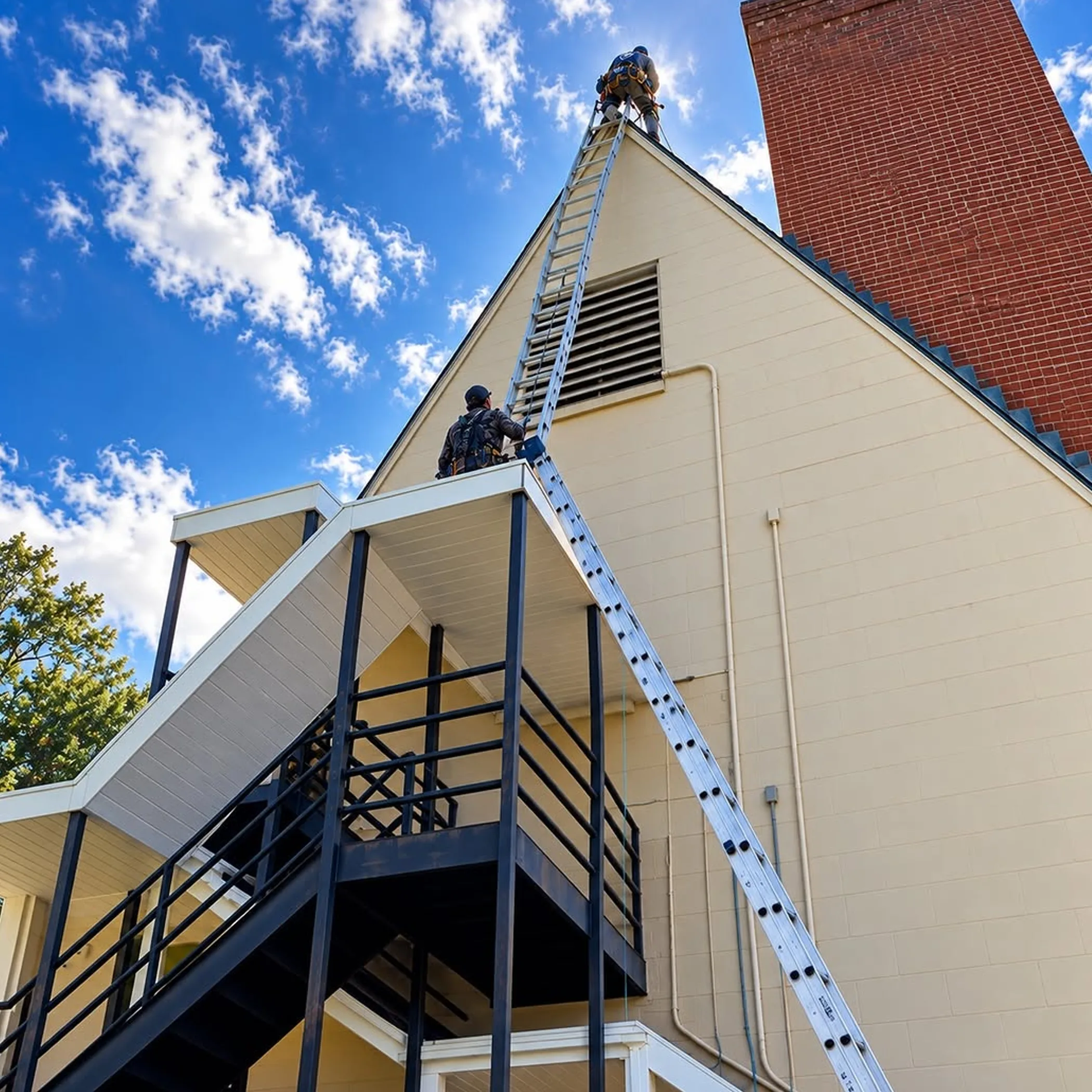
No harness is going to deal with the hazards of lightning or hail. It might stop a worker from falling but offers no protection to one on top of a building in an electrical storm. Check the Bureau of Meteorology and local radar for any warnings. Have an emergency plan and a phone with charge in it, and someone on the ground who knows how to raise the alarm and where you are.
Leave Before Lightning Arrives
If there is a severe storm warning or you can hear the thunder, end the work and make your way indoors. Steer clear of plumbing and metal structures until it is over. Hail can put ice on the surface and injure those on it, while heavy rain can clog the downpipes and obscure electrical dangers. After the fact, do not assume all is well and have the roof looked at.
Regional Weather
What holds true for roof safety across Australia will still require some local discretion. The weather profile for a job in Hobart is not the same as in the Pilbara, Broome or Darwin. Plan for the season as it will have a bearing on visibility, grip and access to equipment. The table below is a useful control and a practical place to begin, not carte blanche to disregard a live warning.
| Top End and northern WA in the wet season | Expect the humidity, lightning and downpours of a sudden storm. | Heed any cyclone or storm cell warnings and make plans to leave early. | Look for saturated access and dangerous storm conditions. |
| The Pilbara and the Australian interior | Here you will find strong gusts, dust and heat in excess. | Put some heat controls in place, put your eyes under cover and secure your materials. | Visibility is being cut by dust or the heat is becoming unsafe. |
| NSW, Queensland and Victoria coasts | Wind, rain and salt corrosion are the order of the day, as are slippery surfaces. | Make sure fixings and ladder footing are sound and check your footwear. | There are strong gusts, rain or unstable ground. |
| Alpine and the south | Weather can be fickle with cold, ice and frost. | Wear insulated PPE and do not be in a hurry. | Frost, ice or poor visibility make conditions unsafe. |
Then there is northern Australia where from November through to April a cyclone alert is something to factor into any plan. Hot and dry can see bushfire closures on roads and properties. Out in the remote parts one should not count on mobile reception on the Stuart or Gibb River Road; take communications that will work in the area and let someone know when and where you will be back.
Calling In A Professional
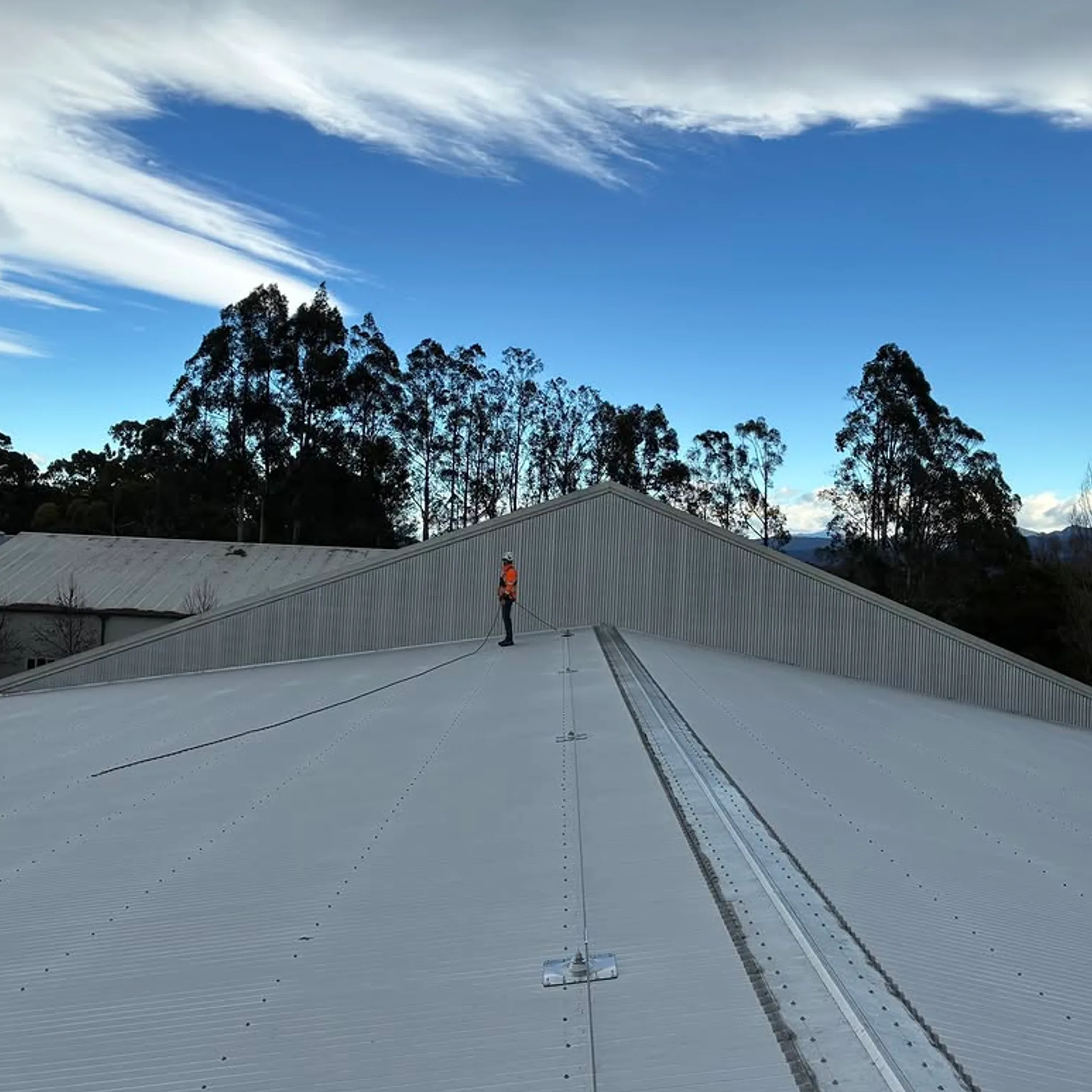
There is roof work a beginner is not equipped for, like putting in fall-arrest anchors, dealing with fragile roofing or working in close proximity to powerlines on a steep incline. For conditions of that difficulty a roofer has the necessary training and rescue planning.
A damp spot next to the skylight, a ladder foot giving way in the soil, fatigue on the way down or an unlooked for gust are the sort of things that will catch most people out. The prudent thing to do is to pack up while things are still good, even if it is not the most exciting option.
Make no move if there is lightning, hail or heavy rain, nor if the wind is up, the roof is wet, visibility is poor or you have symptoms of heat illness. Damaged fall-protection gear or an unstable way in are also cause to stop.
For anything involving asbestos, major leaks, structural damage, electrical hazards or the need for scaffolding and mesh, as well as steep or fragile roofs, get a professional.
Should a fall occur, resist the urge to go up on the roof without first appraising the risk to yourself. An unplanned rescue could well make two casualties of a suspended worker and his would-be rescuer. Follow the instructions of emergency services and keep the area clear.
Cleaning: Pick Your Season

Rather than looking for a national month to do roof cleaning, one is better served by the condition of the roof and the local weather. A few days of low wind, mild and stable and dry is what is required.
Autumn and spring will do in much of the south but watch for morning dew and fronts. Up north the dry season is more to be relied upon than the wet with its storms and waterlogged ground. On the coast there are apt days in any season but the salt and wind call for caution.
Put Some Time In
Factor in the time for a proper inspection, cleaning, drying and a safe way down. There may be sludge or nesting material in the gutters and downpipes. Keep those below protected and never put debris in a neighbour’s yard or on the driveway; use tools from the ground if you can.
One day is not enough to clean every plane of the roof if you want to do a risk assessment and clear any blocked drainage. If there is moss to be got at or sealant work, have the roof looked over first. You may find a cracked tile or fastener that needs attending to as a job in itself.
FAQ on Roof Work in Australia
The following are responses to questions commonly asked, though control measures will vary with the location, task and the state of the roof.
What Are The Standards?
You will not find a single rule for every roof. It is a matter of technical standards and codes of practice under work health and safety law covering everything from ladders to construction work and fall prevention. Safe Work Australia and the regulator for your state or territory will have the current requirements.
How To Maintain A Roof
From a vantage point that is safe, do a visual once in a while. Clear the downpipes, put right any damaged flashing or tiles and get rid of overhanging debris. Do not walk on the roof to do so, and if access is anything but straightforward, engage a qualified hand.
Weep Holes
These are for wall drainage and are not to be covered or sealed in the course of external maintenance. Their placement is dictated by the building system. Should your roof work impinge on masonry or drainage, do not putty up holes on a whim; put it to a building professional.
Steep Roofs
Non-slip shoes and balance are not enough. You need a system that has been put in place by a pro, with fall protection and a rescue plan. If it is wet, windy or near to powerlines, leave it to a roofer.
Is Light Rain Any Obstacle?
It can be. Materials can be damaged and descent made hazardous. Best to stop and put off the work; the delay will be less costly in the long run and save on paperwork than a broken ankle.
Roof work is best concluded as it was started, with all hands safely on the ground. Respect the conditions here in Australia, have your equipment in order and deal with the hazards. The roof is not going anywhere.