
Winter and Heat Pump Hot Water
Provided the system is put in and run properly and of the right size, one can count on the performance of a heat pump hot water system to be dependable in an Australian winter. That said, when the ambient temperature is down it will not be as efficient as in warmer months; expect longer recovery times and a higher draw on the electricity meter.
Julian Norwood puts what Australian households should anticipate into perspective, covering everything from the running costs and tank insulation to frost, installation site and the backup elements. Put simply, a heat pump hot water system is no magic box, yet with sensible settings and the right placement it will see you through the winter and keep the showers going without any of the usual seasonal hot water heating woes.
A Practical Guide to Winter Performance
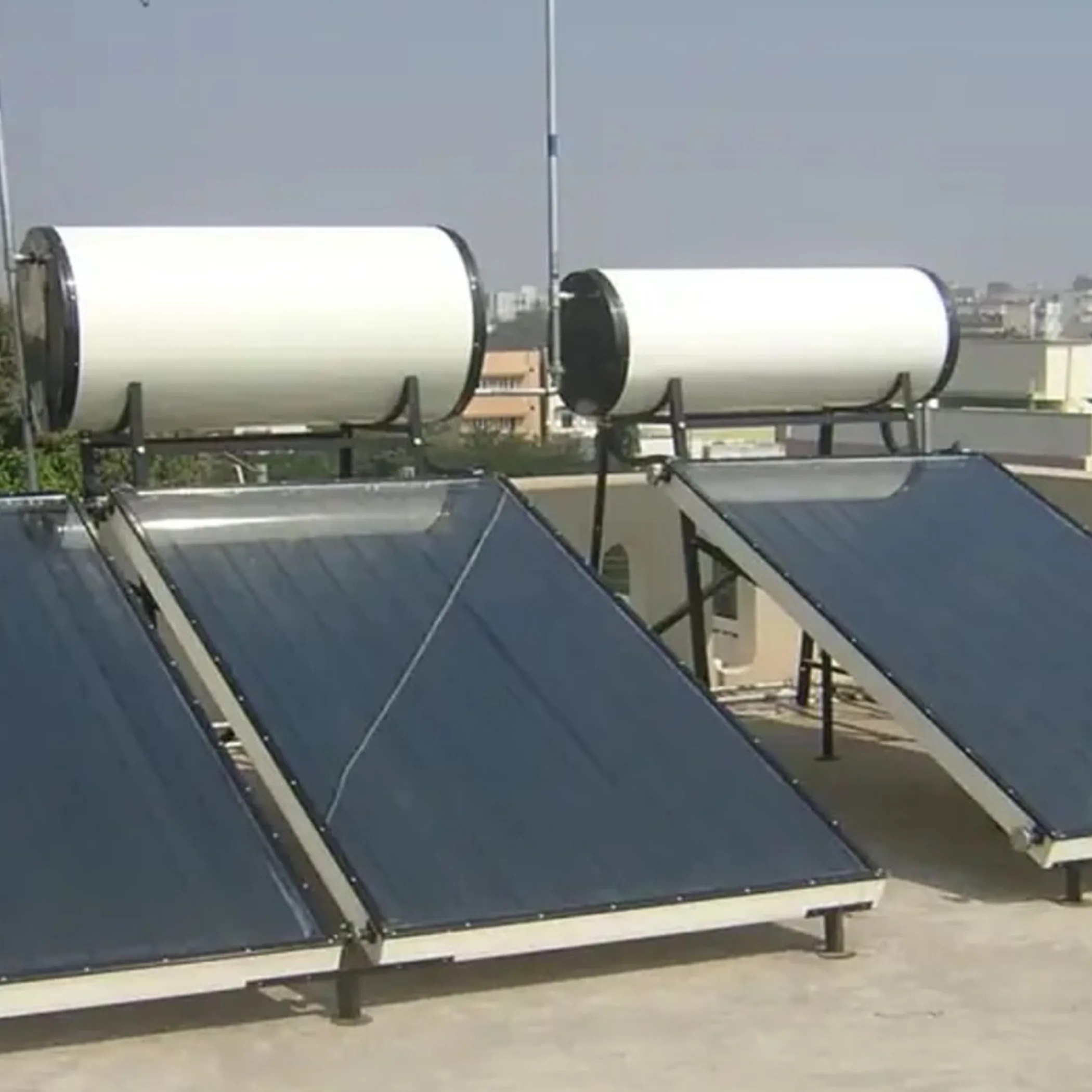
Unlike a conventional electric storage heater that makes its own heat, a heat pump system takes it from the air around it and puts it in the stored water. Outdoor conditions therefore have a bearing on how well it performs.
In some parts of Australia a mild winter is hardly noticeable. But in the colder inland or alpine country where there is frost, the compressor has to put in more work and the system will be slower to recover following a big demand for hot water.
What Will Change
Efficiency, the time it takes to heat and electricity use are the principal variables. The system will still do its job in cold weather but it is not able to pull as much usable heat out of the air and may have recourse to a heating element.
Take the coefficient of performance (COP), which is a measure of the heat delivered for the electricity used. A COP of 3 would indicate 1 kWh of electricity yields some 3 kWh of heat in test conditions. In reality, ambient and water temperatures, the mode of operation and quality of the installation all come into play.
| Winter Condition | Likely Effect | Useful Response |
|---|---|---|
| Mild coastal winter | Some loss of efficiency | Schedule your heating for appropriate hours of the day |
| Cold inland morning | Heating cycle is protracted | Factor in extra recovery before the evening |
| Frost or very cold air | More defrosting, perhaps some backup heating | Adhere to the manufacturer’s clearance and siting rules |
| A few long showers | Tank cools off | Make sure the tank is big enough and space out high demand |
| Airflow impeded | Running time goes up, less heat transfer | Do not let the outdoor unit be cluttered with leaves or other items |
The Reason For Lower Efficiency
It is a matter of having to gather heat from cooler air. As the air gets colder the refrigerant circuit and compressor must make greater efforts to raise the heat to the level needed in the tank. It does not mean the system gives up once the mercury falls, only that it will want more time and power to put out the same quantity of hot water. Many are taken aback by this.
On Ambient Temperature
To a person the air may feel cold but a heat pump will find thermal energy in it. How far you can push this is a function of the model, the software and the operating range set by the maker.
Some systems are better suited to cold climate operation than others. A household in Hobart, Canberra or an elevated Victorian district should compare cold-weather performance data rather than relying only on a headline efficiency figure measured under mild conditions.
Defrost Cycles Use Energy
Then there are defrost cycles. If frost builds up on the heat exchanger outside the system will reverse or alter the refrigeration process to clear the ice and get the airflow back. It is to be expected but it is an energy and time cost. Poor drainage or a spot where cold air is confined will cause more problems than an open, ventilated location.
Heating And Recovery
Demand from the household, the capacity of the tank and compressor, and the temperature of the incoming and target water will dictate the heating time. In winter it is common for a tank to take its time to recover.
You will not find a heating time that is universal across Australia for every heat pump hot water system. Two people might be served by a compact unit that recovers overnight, but a larger family will run a tank dry faster than the compressor can make good the heat. The shower queue is not moved by optimism.
Hot Water Demand and Planning
The bulk of hot water is consumed in the morning and evening by most homes. A heat pump confined to a brief off-peak period will not necessarily keep pace with a household’s way of life in winter.
Take a family of four for instance: one has to be realistic about recovery time once there have been a run of showers, baths or a few loads of laundry and dishes put through. Should the tank be run down in the late hours, it can be several hours before it is re-heated, what with the cold or a defrost cycle.
Treat the manufacturer’s recovery estimates as something to go by, not an assurance. One should enquire if those numbers hold up in the winter or with a given inlet water temperature and the compressor running on its own; the conditions under test are often more orderly than what is found in the home.
When to Rely on Backup Heating
A heating element is provided for backup on many systems. It comes in handy when the system must get to a higher temperature in a hurry, the air is particularly cold or the compressor is not on hand to meet demand.
While this adds to the resilience of the system, it is like a conventional electric heater in that it is more expensive per unit of heat and too much use of the element will see the system’s energy efficiency drop.
Be judicious with the element
It is not to be thought of as something to be left on at all times. Some will make regular use of it due to their requirements for hot water, others only on an exceptional day or in case of a fault. Before any adjustment of settings, refer to the operating instructions and the control panel or timer. Any error codes, persistent operation of the element, odd noises or lukewarm water warrant a look from a qualified technician.
- Where the system will permit, let the compressor do the work in the warmer part of the day.
- Reserve the backup element for outages or when demand is at a peak.
- Do not form an opinion on performance from a single cold morning, but review the setting after a few weeks of winter.
- Make sure the sanitisation cycle and water temperature are in line with the manufacturer and other requirements.
Making the Most of the System in Winter
There is no harm in some minor changes to how the system is run to improve performance. The idea is to align production with the household and afford the unit the chance to gather heat without unnecessary loss.
Then there is the matter of installation. An otherwise good system will be wanting if the outdoor unit is hemmed in or the tank is poorly insulated.
Location is key
The outdoor unit should be sited for proper airflow and safe condensate drainage. Steer clear of tight shafts or enclosed corners where the exhaust is sucked back into the intake.
In places subject to frost, adhere to the clearance and drainage specs; ice at the base is a slip risk and can hamper the unit. See that the fan and coil are free of garden growth, cobwebs and boxes.
Storage and Pipe Losses
Insulation on the tank is what keeps the water hot between cycles. Where the installation allows, insulate the hot water pipes you can get to, especially the long runs to the house.
Look for any dripping taps or tempering valves that are leaking. Over the course of hours a small leak will add to the electricity and water bill in a quiet manner. I have had households put it down to the weather when in fact a bad tap was wasting warm water every night.
Solar and Off-Peak
Running the heat pump while the solar PV is up and running can cut daytime electricity costs for those with flexible controls or who are home in the day.
Off-peak power may lower the tariff for heating, though this depends on the state, network and retailer. Put the whole plan to the comparison, do not suppose off-peak is invariably the least expensive. Of little value is a low tariff if it means the household is without hot water.
Australia’s Colder Climates
For the colder reaches of Australia a heat pump hot water system is viable, provided the model is well chosen. As the winter gets tougher so does the need to check the documentation on cold-weather capacity, defrost and the like.
What works on the Sunshine Coast might not offer the same recovery time further inland. The equipment ought to be commensurate with the size of the household and the local climate, not just what is in the brochure.
Is it for you?
Those with the room for the tank and outdoor unit and the inclination to time their heating to their routine will find a heat pump a good option for curbing the energy use of a standard electric resistance system.
There are circumstances in which the system is not well suited, such as where one is hard pressed for outdoor room or cannot have it put in with adequate drainage and airflow, or when noise is an issue and hot water needs are of a concentrated nature. Have a site appraisal done by someone qualified prior to making a purchase.
A Fair Look at Winter Costs
One would expect heat pump electricity consumption to be higher in winter; the heating process is protracted and there may be more recourse to backup heating. Then again the bill is a function of many things: the size of the household, how long the showers are, the temperature of the water, the tariff and even the state of the system and incoming water.
Take this as an example: on a day a system draws 3 kWh at an AUD 0.30 rate, the energy charge comes to AUD 0.90, supply charges and other tariff elements aside. This is merely to show the calculation, no promise of system results or a national price.
| Cost Driver | Why It Is A Factor In Winter | What To Put Under The Microscope |
|---|---|---|
| Household size | More people will run the tank dry before it has recovered | Daily demand and tank capacity |
| Water temperature | You need more heat for higher settings | Safety controls and what the manufacturer has set |
| Backup heating | Use of resistance heating will add to the electricity bill | Frequency of the element coming on |
| Tariff | Peak and off-peak rates can be affected by winter scheduling | The retailer’s plan and any controlled-load rules |
| Solar PV | Self-generated energy is put to better use in daytime operation | Output from the solar while the system is heating |
Signs Of Winter Faults
Compressor running for longer, some condensation, a defrost cycle or a recovery that is a touch slow are all part and parcel of winter. Other things suggest the system wants some attention.
If the water is cold, you see fault codes come up over and over, the outdoor fan is laboured, the circuit breaker is tripping, the unit has taken to grinding or rattling or the backup element will not stop, then put in for maintenance.
Things To Check First
Before you call in a service, make sure the system is powered up and the control panel is in order and the outdoor unit has not been obstructed by leaves, ice or anything put out to store. See if the house has been using more hot water than is normal.
Leave the electrical covers alone and do not try your hand at refrigeration repairs; those are for a professional with the right credentials. Should an error code appear, get a photo of it and make a note of the time, particularly if it is after a night of heavy use.
- Verify the operating mode and power.
- Put right any safe external impediments but stay clear of the electrical or refrigeration parts.
- Look for damage to pipes, odd discharge or a tap that is leaking.
- Make a record of any noises, the recovery time and error codes.
- If in any doubt about safety or the problem persists, a qualified technician should be contacted.
Some Questions On Winter Operation
For Australian households mulling over a heat pump hot water system these are the concerns I am most apt to hear. The answer in practice tends to be a matter of installation quality, climate and demand.
Do they work in an Australian winter?
They do, in many a cold region. But in frosty weather or where the ambient temperature is very low they will take their time with the water and draw more electricity.
Is the efficiency lower?
As a rule. With less heat to be had from the air the compressor has to work for longer and there is more defrosting. How much of a difference it makes is down to the location of the installation, the system itself and the weather.
How long does the heating take?
It is variable. A small tank with little demand will recover in the course of the day whereas a large one for a family might need hours after being put to heavy use. Refer to the model’s winter data.
Must one have backup heating?
Not at all. Most get by with the compressor. An element is of use in very cold spells or when a quick recovery is called for, but it is not always necessary.
At what point is it too cold?
You will have to go by the manufacturer’s range as there is no one limit for all systems. Even cold-climate variants will see a drop in performance when conditions are severe.
Are they worth having in a cold climate?
Provided the system is the right one and put in and run properly, yes. Do not be swayed by a claim of generic efficiency, look at the running costs, the tariffs, the tank and cold-weather performance.
Ways to improve performance in winter
Clear the airflow, put the insulation on the tank in good order, schedule it well and see what is behind any repeated use of the backup element. Daytime running with solar PV is an option.
Electricity usage?
There is no figure for Australia in winter. It hinges on the volume of hot water, the climate, the tariff and so forth. Keep an eye on it for a few weeks and measure it against what the household is putting through the system.
In The End
With the right expectations for the local climate a heat pump hot water system in an Australian winter can be as cost-effective and reliable as any. Colder air will mean a lower COP and more time and electricity to heat, but with proper maintenance and sizing performance should be fine.
Julian Norwood would advise to appraise the whole of the installation, not just the unit. Ensure it is a fit for the household, plan on realistic recovery times and leave the outdoors unobstructed. For more on the subject the Australian Government has official information on household hot water systems.