
Wet Vs Dry in Queensland Parks
What are the impacts of the dry and wet seasons on Queensland’s national parks in 2026? It is a matter of heat, rainfall, wildlife, access and how one puts up with wet socks. In tropical parts of the state the dry season will see you driving, camping and walking with less difficulty. The wet season has its appeal in the form of verdant country, waterfalls in full flow and not as many other people; then again it can mean humidity, cyclones, slippery tracks and the odd closure or flooded crossing.
You will not find one ideal season for all the parks. The likes of Daintree, Girringun and Wooroonooran in the Far North are hard put to escape the rigours of the wet and dry, whereas in the south-east things are not so tropical. Having done some years in regional tourism marketing, I, Julian Norwood, have come to the view that a good trip is seldom about the weather being perfect. You want to suit the day you have in mind to the park and your vehicle.
Choose The Season That Suits
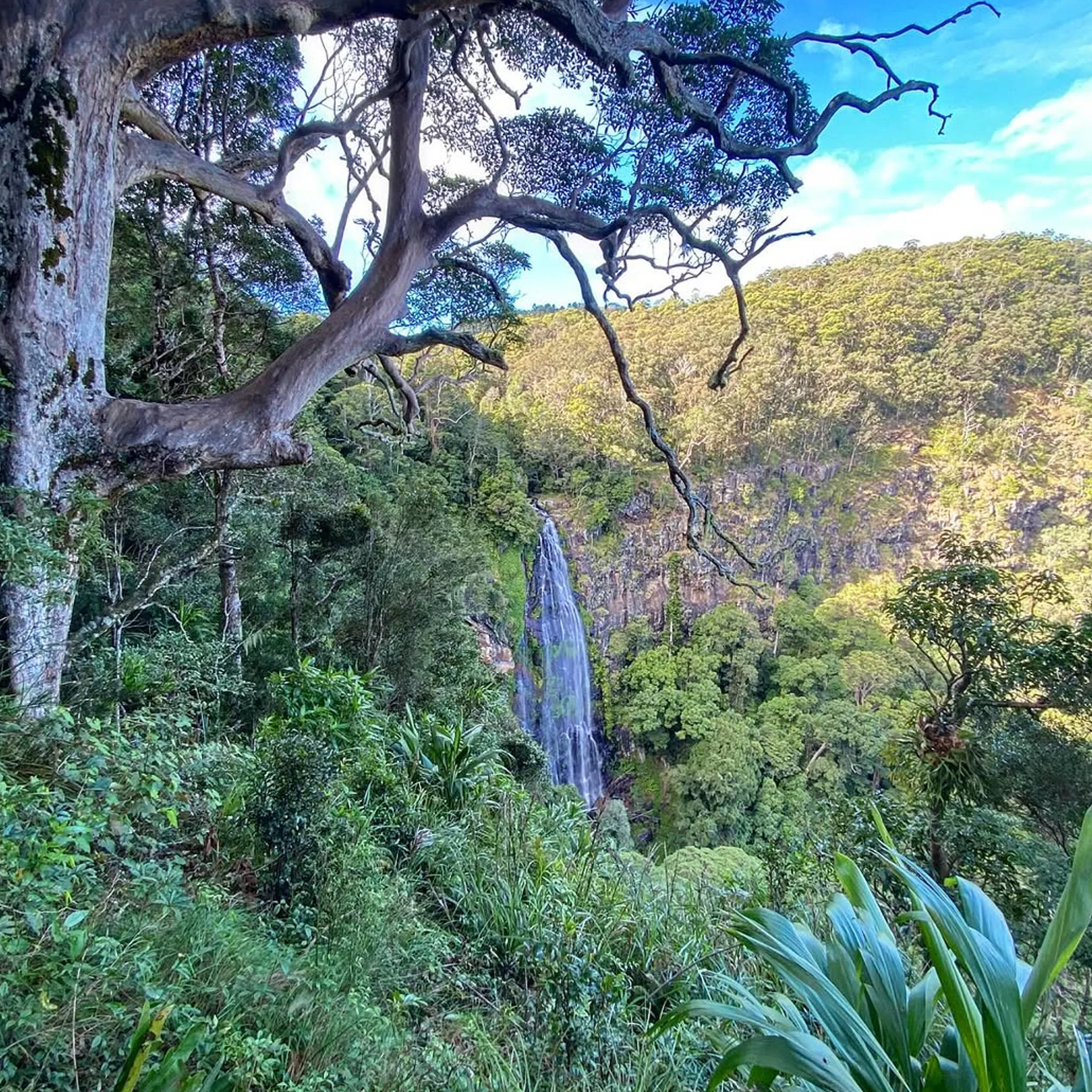
In tropical Queensland the dry season is from May or thereabouts until October. One finds the days more agreeable and the roads and walking tracks more dependable. From November through to April the wet season is in effect and with it comes storm activity and humidity that can alter conditions in a hurry.
But do not take the general run of things as any sort of guarantee. An afternoon shower in the dry can drench your campsite and a wet-season morning may be as flat as a pancake until a storm comes over the ranges. Before you head out, put in a call to the official Queensland national parks information service for road info and any park or weather alerts.
Dry Season Advantages
For those making their first visit the dry season is the sensible option. The lower humidity will make a steep track something of a relief and you have cooler mornings to put in a walk before it gets hot. Then there is the question of creek flooding on the way to a trailhead; less of an issue when the roads are dry. This is also the ideal timing for tropical park visits.
It is also the time for older travellers and families, or anyone with a standard two-wheel-drive. Of course you still pack your water and sun protection, but you are not going to be confronted by a rough track or a closed crossing that was fine the night before.
Wet Season Rewards
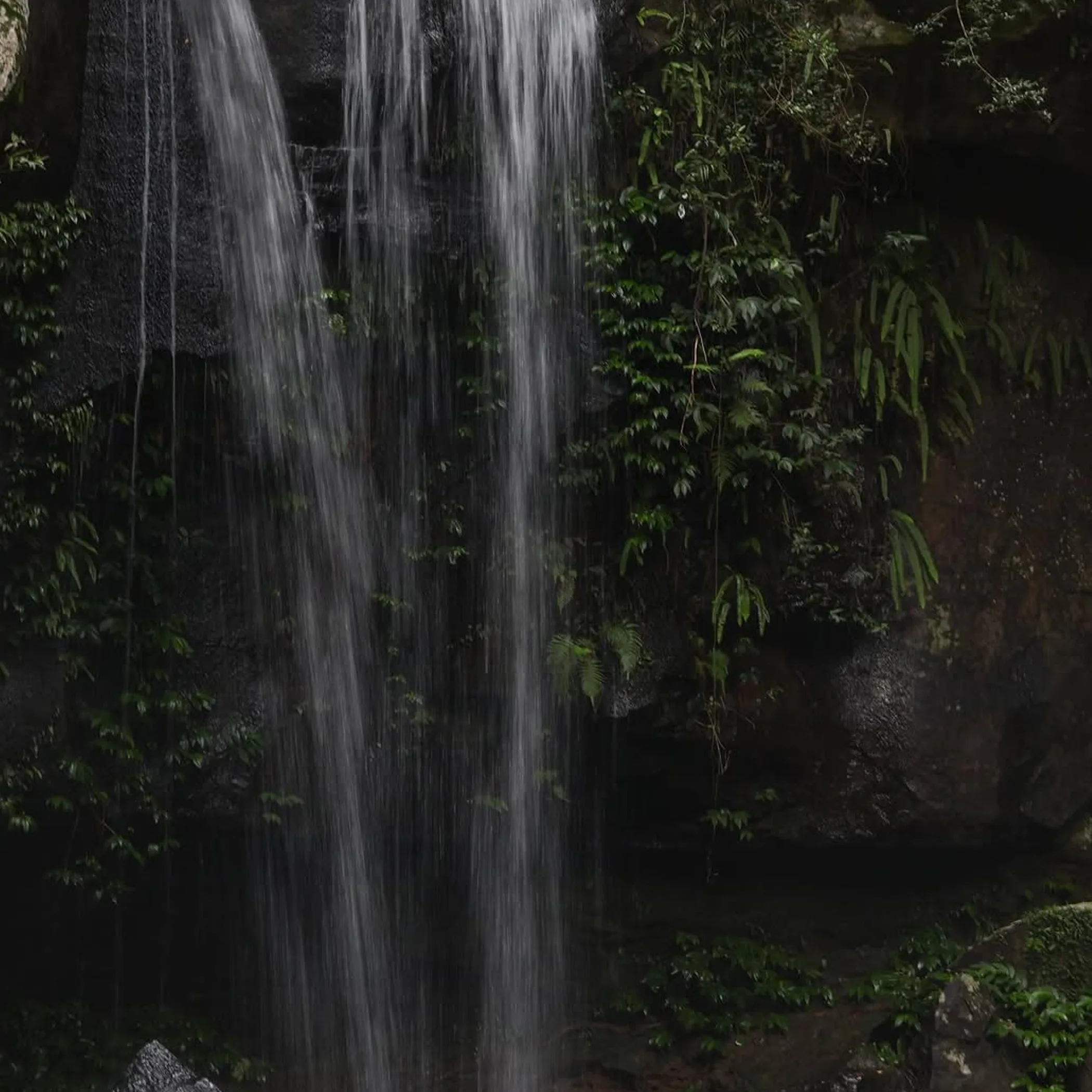
There is more to the wet season than just rain. The forests are a deeper green and the waterfalls put on a better show. The downside is the water does not stick to a schedule, it comes in bursts.
If you are an experienced type who can adapt without making a fuss, or if you would rather stay put at your accommodation and do a day on the boardwalks and lookouts, this is the time to go. Pack a spare set of clothes and some dry bags along with a light rain jacket; you will thank me for it later.
Park Conditions To Be Aware Of
The weather of the season dictates more than the need for an umbrella. It has a bearing on swimming safety, insects, road access and how long you should factor into a trip.
Too often people plan from a map and get in over their heads. What seems a short route can become a protracted business of retreating because of a fallen branch or a crossing that is shut. In a national park the way back is every bit as important as the walk out.
Walking Tracks And Boardwalks
A dry-season track is easier to read and firmer underfoot. Do not mistake that for easy though. The tropical heat will get to you on an exposed climb with no shade. If it is warm in the forecast do not make a casual affair of a two-hour walk. Go early and have plenty of water.
When it is the wet season expect mud and uneven ground. Shallow water can hide roots and rocks and make a boardwalk treacherous. Put your phone and camera in a waterproof pouch and put on shoes with some grip.
And for the love of it break in your hiking boots before you go on holiday. I have seen a traveller put on a new pair on the first morning and end up with blisters before the first lookout is in sight. The view was fine, the footwear was not. Have some blister treatment on hand.
Roads, Crossings And Parking
Even if the main highway is in good order, unsealed access roads and creek crossings will be at the mercy of the rain. You may find the gate to a national park open and yet a camping ground, picnic spot or track off limits. The same holds for conditions which can be one thing on the coast and quite another in the tablelands or foothills by day’s end.
When out on the road, factor in time for potholes, wildlife and the odd stop; you will be driving slower. Put some fuel in the tank at a larger town before you set off, remote areas in particular. And do not count on your mobile having reception once you have put the last settlement behind you. It is wise to download maps, have enough water to see you through any delays and let someone know where you are headed.
Those without their own car will make good use of the transfers and guided day tours on offer in the Atherton Tablelands, Mission Beach, Port Douglas and around Cairns. Public transport does not extend much beyond the urban corridors. Book a tour with the knowledge of how you are getting back; nobody wants the surprise of being left at a trailhead that is closed.
The Seasons Compared
For a planning overview the table below is useful. The patterns shown are typical of tropical Queensland but localised rainfall can be very different from one coastal range to an inland road, so verify with the individual park first.
| Factor | Dry Season (May–October) | Wet Season (November–April) |
|---|---|---|
| Typical planning window | Some six months of fairly settled conditions as a rule | A similar period where there is more risk of storms and rain |
| Walking | More to be expected way of firmer tracks and agreeable humidity | Tracks can be muddy and slippery, if not closed |
| Road access | Remote roads aside it is predictable | Travel can be put in abeyance by creek crossings, washouts or flooding |
| Waterfalls and creeks | Power of the falls may wane as the season goes on | Heavy rain has a way of raising water levels in short order |
| Wildlife and insects | Active, so guard against the sun and have water | Humidity and mozzies in evidence, leeches on wet ground |
| Weather hazards | Fires, closures and the like from heat and dehydration | Cyclones, lightning, fallen trees and flash floods |
| Best fit | The self-driver, walker, family or first timer | Photographers, those with a taste for the wet and flexible types |
Safety First
Preparation is what is rewarded in a Queensland national park, not bravado. A forecast may be cheery but things have a habit of changing in a hurry, especially along the coast, rivers and the rainforest ranges.
See what the forecast is for the park itself and not the city next door before you go. Make sure you have read any closure or fire notices and put a question to the staff about the roads. If a sign or ranger deems a crossing unsafe, take his word for it. You should not put moving water to the test for the sake of a photo.
Dealing with Water, Heat and Storms
On an exposed walk you should be carrying more water than you think you will need. Make a point of stopping and if you feel any dizziness, nausea or an uncharacteristic fatigue, do not push it; these are signs of heat stress and it seldom ends well.
With the wet season comes the need to stay clear of low crossings and creek beds if there is a storm about or rain upstream. Flash flooding has no regard for where you are standing. Show some respect for lightning too on any ridgeline, lookout or open beach.
Crocs and Tides
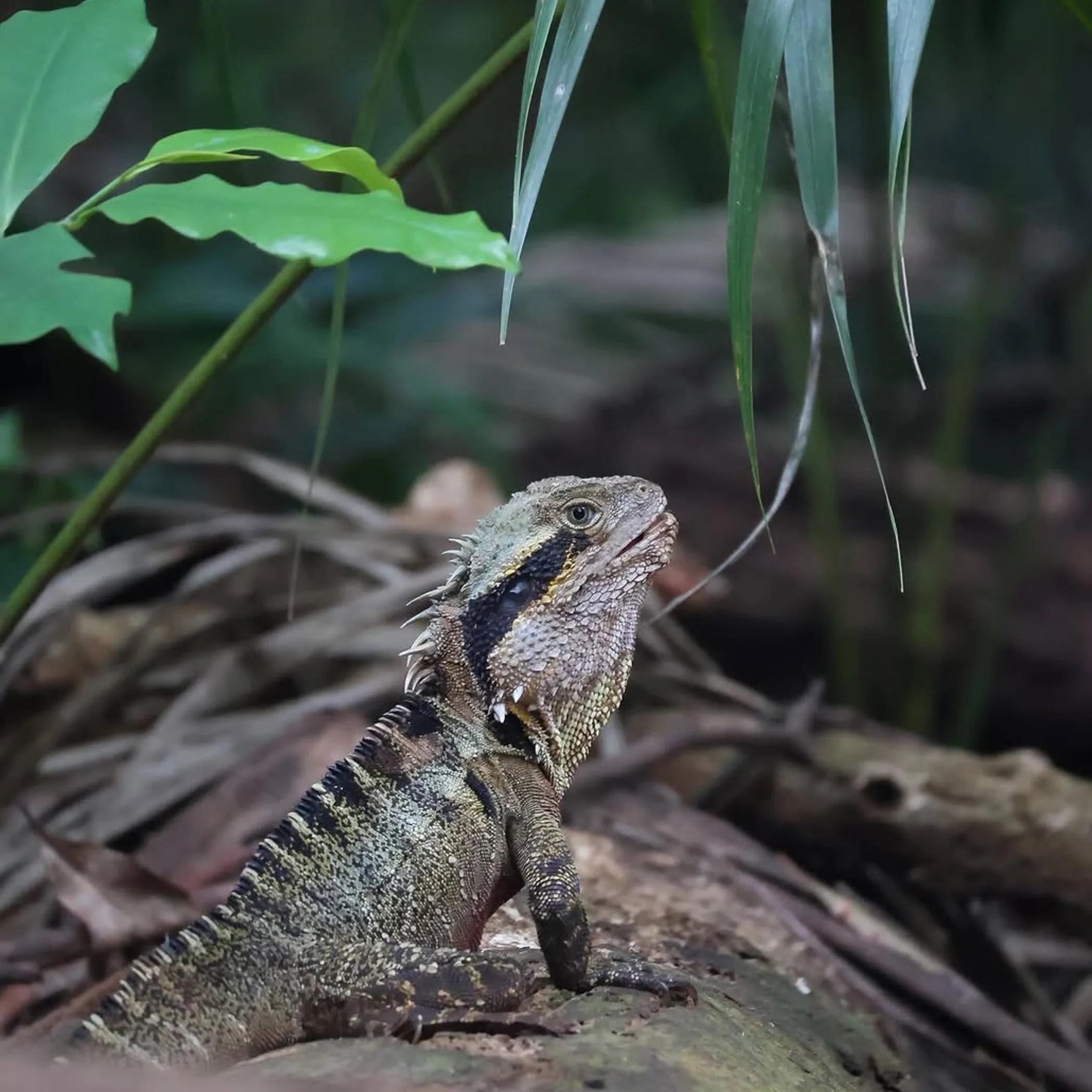
Optimism is not called for when it comes to crocodile safety in northern Queensland. Heed the warnings in estuaries, lagoons, rivers and creeks. Clear water is no guarantee of safety and feeding the wildlife is to be avoided.
A waterfall or swimming hole might seem tempting after a downpour but rising water, currents and rocks under the surface can be hazardous. In the coastal parks one must be aware of the tides. Do not make a quick assessment of the water when you are dealing with a rock platform, mangroves or the mouth of a creek; check the times.
An Experience to Match the Park
It is better to plan by the experience you are after than by the calendar. Be it a long walk, some camping, an easy picnic or to put in some time with the wildlife, make that your starting point.
In the dry season the visitor looking for no trouble will want to stick to the shorter walks, sealed roads and day-use areas that are well established. For the dramatic flow of water the wet season is preferable, so long as you are prepared to put up with a change of plans and some closures.
For the Beginner
A sensible approach is to pick a well-serviced park close to a regional centre in the dry season. Go for a marked track where you will have toilets, easy access and options to turn back. Have a paper or downloaded map to hand even if the route is plain.
Unsealed roads, creek crossings and camping in the bush in the wet are not suited to a first foray into a national park. They call for confidence and the ability to make an early turnaround. There is no disgrace in the sensible track. The bush is not going anywhere.
One day is all you have?
Then make it count by putting in for one park or a group of sites in close proximity. Be up and about early to put in some time on the road and with parking, and pick a walk you can do without strain well before late afternoon. Should it be the wet season, stick to a short rainforest boardwalk or a lookout where you can get to it from a dependable road.
- Before you have your breakfast, see what the forecast and any park alerts have to say.
- Have water and food in your pack, as well as something for the sun and rain, a first-aid kit and a phone with charge to spare.
- Have a primary walk in mind and a backup not far off.
- If the track gets unsafe, the water comes up or the rain picks up, make an early turn around.
For those with young children or walkers who are not seasoned, or anyone whose mobility is restricted, there is no point in making a remote trail the centrepiece of the day. A more sensible course is a route that is easily accessible and then lunch in town; an over ambitious walk will only end in misery for the whole party.
Realistic Budgeting
Costs for camping and entry are subject to change and differ from site to site, so get confirmation of what you will be paying before you book. The bulk of the expense is likely to be in the way of fuel, a hired vehicle, accommodation, meals and perhaps a guided transport option, especially if the weather puts in an extra night on the schedule. Put some contingency in the budget for a motel room at the last minute, a tour you need to alter or dry bags to replace. Relying on a single open road and a spotless forecast is how a cheap plan gets expensive.
Those driving themselves should not take the map’s distance for gospel when the roads are slow and winding. Tour operators’ guests would do well to enquire if park fees, lunch and any rain alternatives are part of the deal, and what the cancellation terms are, in cyclone season in particular.
Reality and Expectation
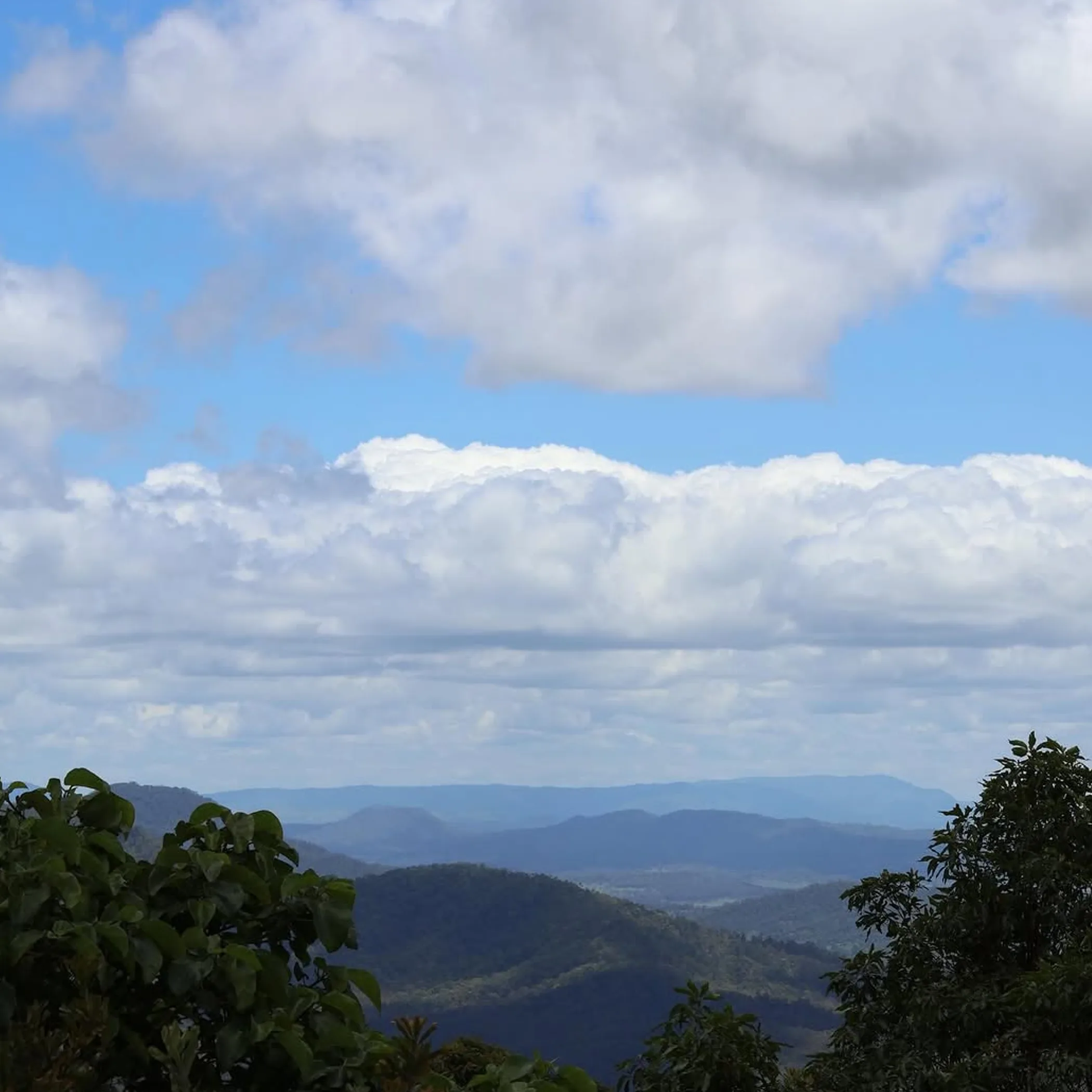
You may expect unrelenting rain in the wet season but in fact many days are warm and clear to start with and can turn on a dime. One range could be under a serious downpour while the next town has had none, despite a forecast for scattered showers.
Then there is the dry season and the notion that everything will be open. Fires, storm damage, maintenance or other local hazards will see closures come and go. And with the numbers of visitors higher in the dry, car parks and campsites at the more popular spots will be full sooner than you think.
A private, quiet park is what you might anticipate of the wet season with its lighter visitor numbers. You will see fewer people to be sure, but also fewer tours running and less access to the remoter parts. It is very nice until you find yourself without dinner because options are limited.
A Few Decisions Made Easy
The dry season is the way to go for longer walks, family comfort and simple logistics. It is a safer bet for the traveller new to the tropics or short on time. The wet season has its appeal for the active waterfall and lush rainforest, provided one is prepared to be flexible and even scrap the plan altogether.
- Long walks: do them in the dry and get an early start.
- Waterfalls and colour in the rainforest: the wet season is fine, with a back up in place.
- Camping: look into ground conditions, fire rules and storm exposure first.
- Families: go for the short tracks and good road access.
- Remote driving: you want a proper vehicle and recovery gear, and have checked with locals.
Some Questions Visitors Ask
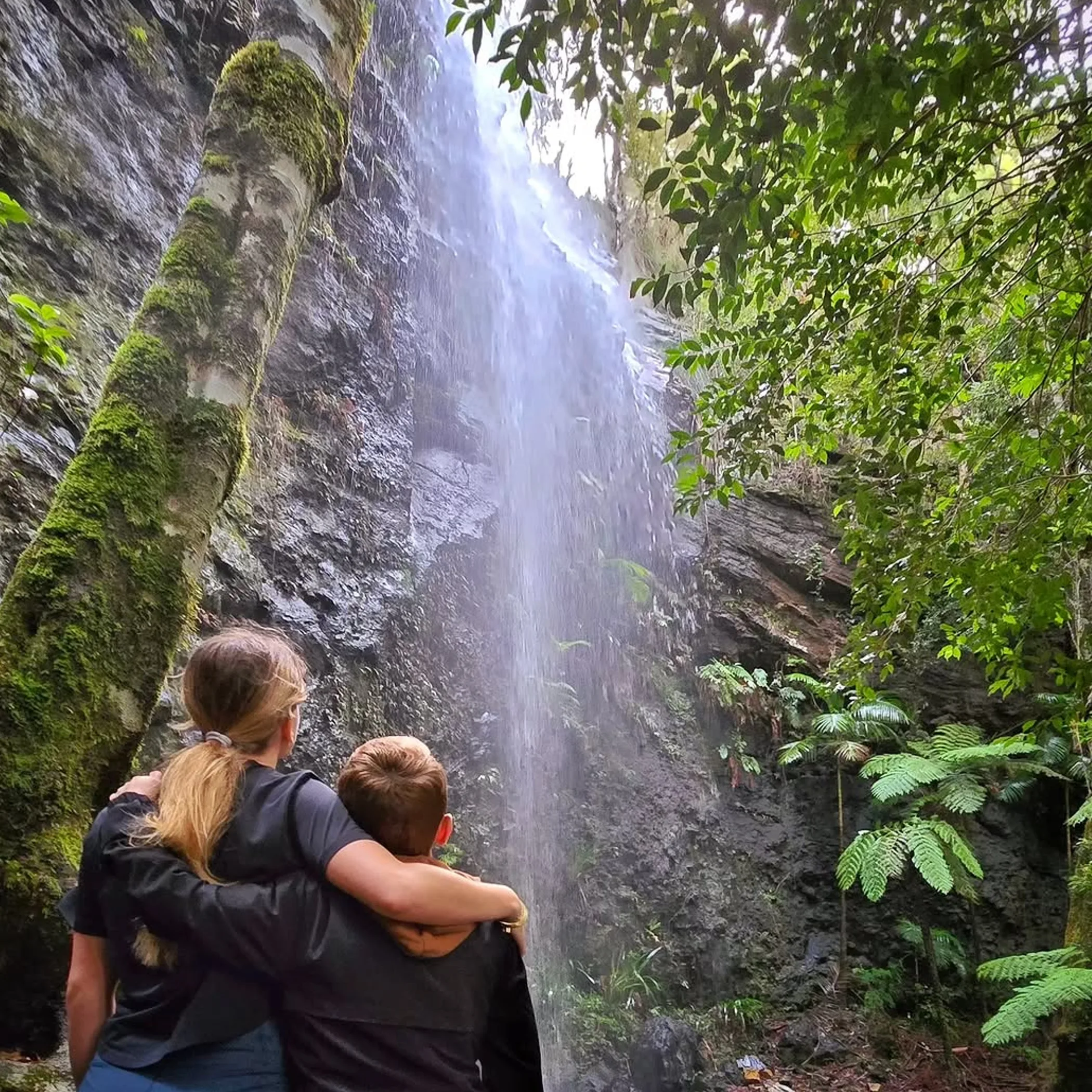
Seasonal advice can be too broad, which is why these come up. What is a good answer will depend on the park, the vehicle, one’s fitness and how amenable you are to altering plans.
Is the wet season to be avoided?
Not at all. For the scenery and waterfalls it can be ideal, though there are more safety and access risks. Do not assume every swimming area or track is going to be open; check your alerts and be flexible.
What is best for a family?
Generally the dry season. The predictability makes for easier pacing of outdoor pursuits. Go for a shorter, shaded walk with food and toilets at hand. But be ready for the heat and wildlife.
Can I put my car on any road?
No. There are washouts and flooding to contend with in the wet and surfaces differ from one park to another. Verify the park’s access advice and the suitability of your vehicle. Under no circumstances drive through floodwater.
Do the waterfalls put on a better show after the rain?
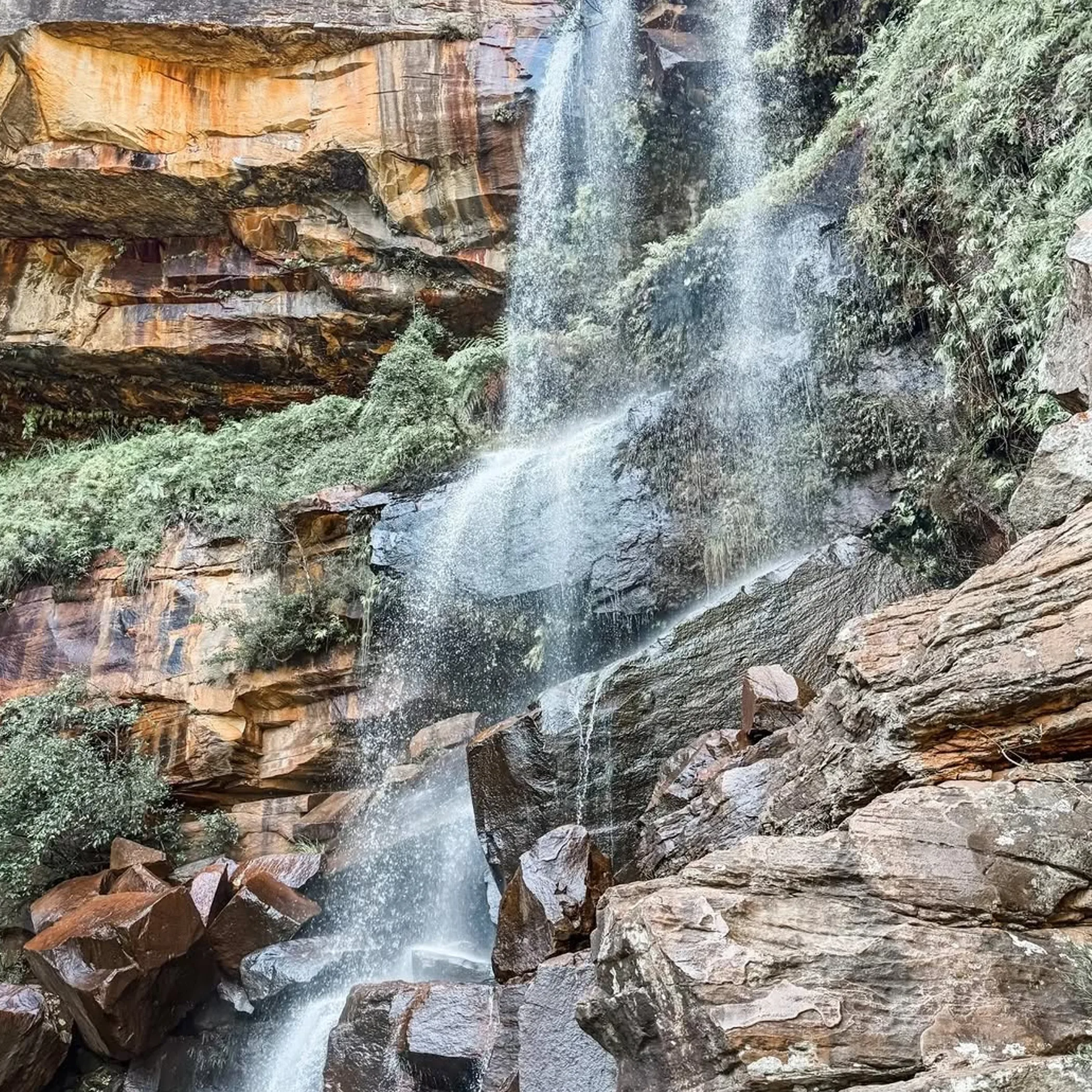
More often than not, but not of their own accord. The flow will be up but so will the likelihood of a slippery track or closed access. An unsafe crossing in a storm is no way to get to a waterfall.
When to make a booking?
Get in early for the sought after camping and accommodation in the dry, school holidays included. With the wet season there is more leeway but make sure of the operator’s cancellation policy and safe alternatives in the event of a road closure.
Let the Season Work for You
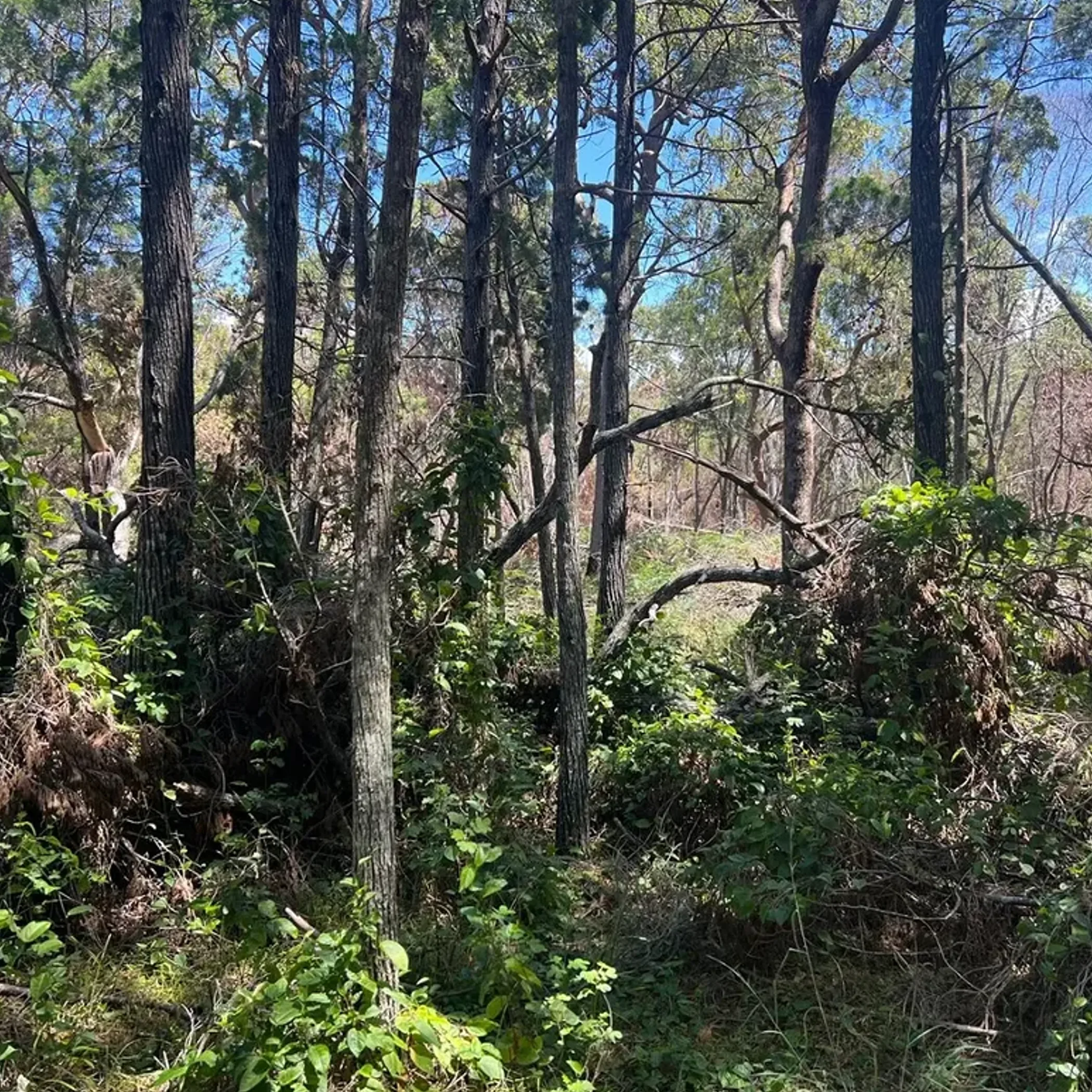
There is much to be had in Queensland whether it is the wet or the dry. The latter affords more certainty and walking that is straightforward; the former brings out the character of the rainforest but with more of a question mark.
I follow a practical rule: match the season to what you have in the way of time, skills and transport. On the day, check the conditions and have the right equipment. Respect the closures and be open to changing things. That is the sort of timing that makes for a good trip in the tropical parks, safe and without having to argue with a mozzie.