
There is a straightforward way to go about seasonal exterior maintenance in Australia: recognise that a home in Sydney or Melbourne will require different attention than one in Darwin, Alice Springs or Canberra. From the humidity of the tropics to the salt on the coast, the dust of the Red Centre and the odd southern frost or summer storm, there are plenty of jobs to be had outside your front door.
Julian Norwood here. I have found that if you are on top of it, exterior maintenance is not much of an event. Put it off for a year and a roof fixing left loose will see you with storm damage, a clogged gutter will let in water and a spot of mould will make itself at home as if it were paying rent. What follows is a guide to how you can tailor your routine to Australian conditions and what warrants an inspection.
The Case for Climate-Aware Maintenance
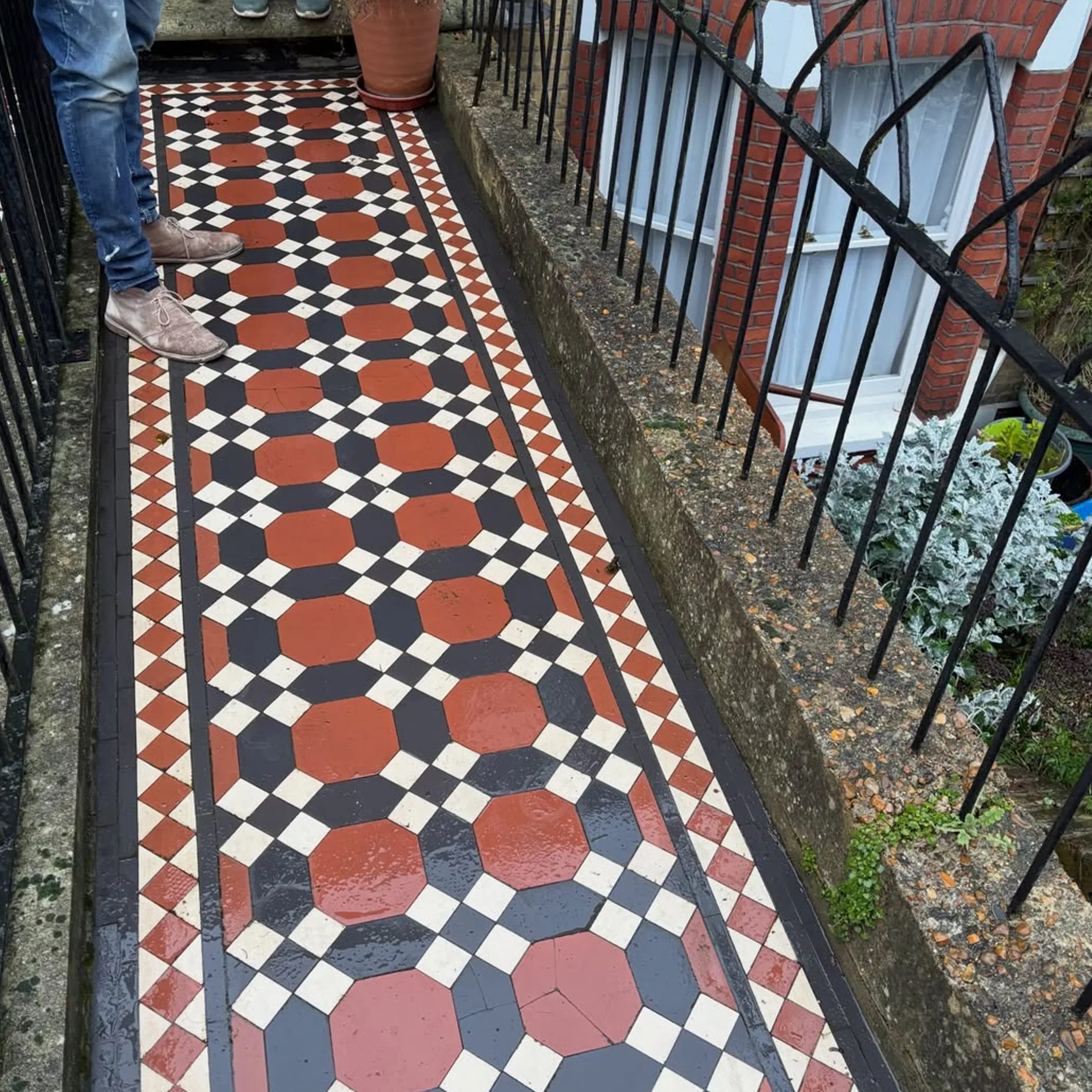
You will not get far with a one-size-fits-all checklist in a country with such diverse climates. The disparity is plain to see between the Top End in its wet season and the leaf-strewn cold of a Melbourne winter or the kind of heat you find in Central Australia.
To plan with some certainty, take the Bureau of Meteorology’s data for your region and add your own observations. An exposed house will call for more scrutiny in the wake of bad weather, whereas a dry inland home is less demanding than a coastal property in the shade.
Tailoring Your Work
Then there is the matter of the elements. Humidity is an invitation to mildew and mould; UV rays will degrade timber, sealants and paint; thermal stress causes materials to work themselves during the day and night. And by the coast, salt will hasten corrosion no matter how well-kept the place appears. These are key climate effects on exterior upkeep.
As a rule of thumb, do an exterior inspection twice yearly, with additional checks bracketing the high-risk season. Up north that is before and after cyclone season (November to April). Further south, spring and autumn are good times to look things over as they fall between the harder weather.
A Checklist for Any Part of Australia
Your checklist should be detailed but not so long as to be unworkable, and it ought to stave off costly surprises. Make a circuit of the perimeter and then work from the roof down so drainage, fences and the like are not overlooked.
Do not be tempted to go up on a roof that is steep, damaged or wet. Binoculars from the ground will show you any lifted sheets, rusted fixings or broken flashing. If in doubt, hire a licensed pro; there is no need to make a Saturday job an ambulance story.
Some Four-Point Inspections
- Gutters, downpipes and grates should be free of leaves, mud and other debris. Ensure water is running clear of the foundation and walls.
- Roof tiles, metal, vents, sealants and fixings for any sign of gaps, rust or movement.
- Windows, doors, screens and paintwork on the exterior for peeling, failed seals or moisture.
- Timber in the form of decks, pergolas, stairs and furniture for rot, splinters or the effects of UV.
Put a date on your photographs and keep a log. It is a simple way to see if a particular wall gets damp with southerly rain or a certain gutter is prone to overflow.
Tropical Considerations

In the Northern Territory and places like Darwin, maintenance is dictated by the wet and dry seasons. Left to its own devices, poor drainage can become a major issue when the rains come with their attendant wind, humidity and quick-growing vegetation.
One does not want to find a palm frond in the downpipe in the middle of the wet season. Get ahead of it and put ladders where they will not be flooded. Be croc-wise near thick vegetation and waterways; a mozzie will treat standing water like a five-star resort.
Cyclones and the Wet Season
In advance of the monsoon, have a look at the roof fixings, put away anything loose and see that stormwater has somewhere to go other than the garage or low windows. Clear out the gutters and downpipes. Trim back branches that might hit the roof, leaving the large or unstable ones to a qualified arborist.
Once the weather has been severe, do an initial inspection from the ground for sagging gutters, missing roof material, a fence or screen put out of commission. Do not wade into floodwater or approach powerlines. Should there be structural movement or anything of a major nature, vacate the area and put in a call to the emergency or utility service.
Preparation for the Dry Season
Painting, putting right any roof repairs, improving drainage and tending to exterior timber are all best done in the dry season. With less rain about, sealants and coatings will cure as they should; one has to be mindful of the sun though, which can put a limit on how long you have to work.
Make sure the outdoor units of your air conditioning are free of dust and leaves and that nothing is impeding the airflow. Do not let vegetation encroach on service equipment or walls and be on the look out for termites and the like. In parts with humidity, shade and ventilation are important; an enclosed corner at the back of a shed will put down mould quicker than you would care to think if it is damp.
Arid Homes: A Defence Against Heat
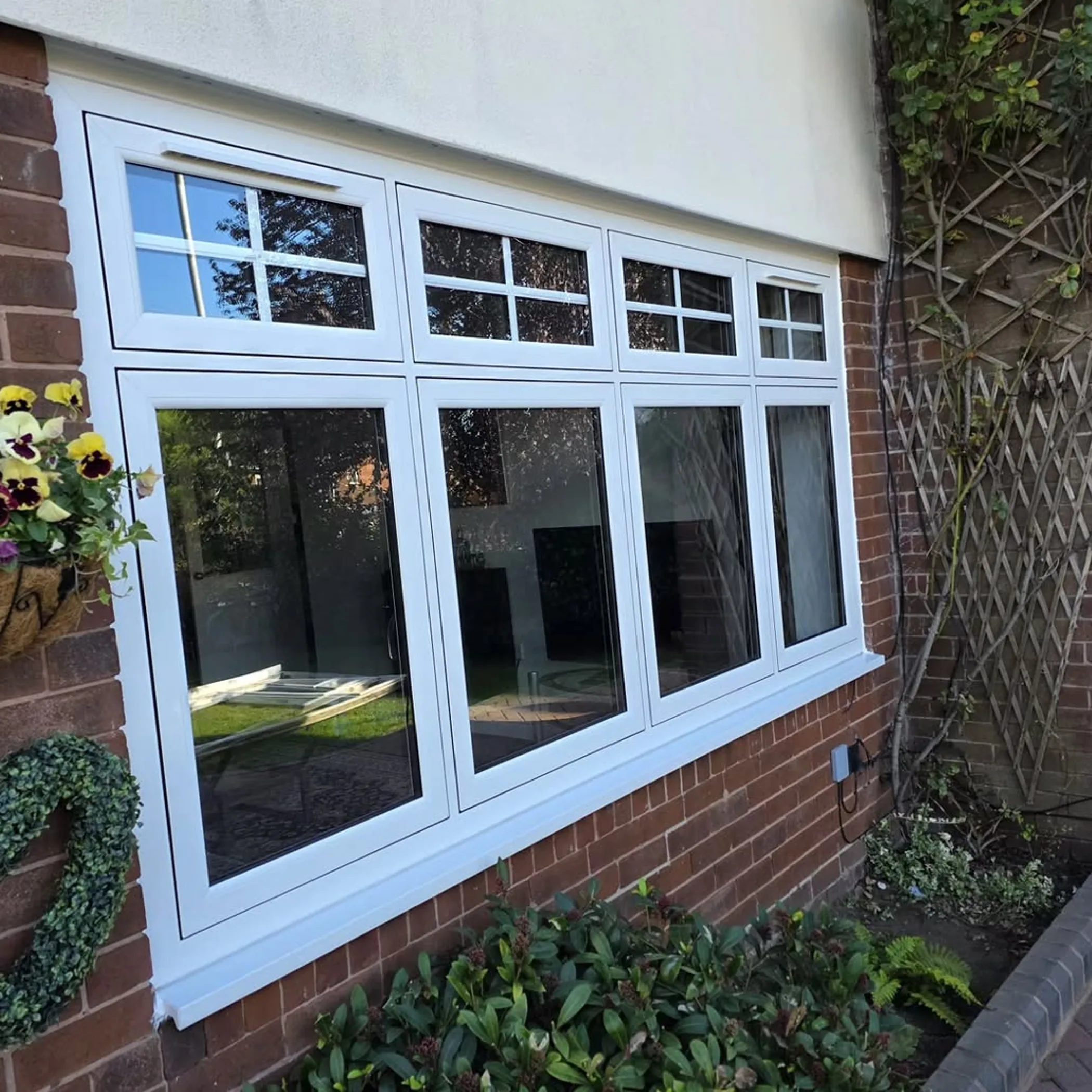
The problems to contend with in arid climes are of another order: the heat, the dust and the way temperatures can change in a hurry. In Central Australia or Alice Springs the day will be sweltering and the night cool, a cycle of expansion and contraction for your masonry, roofing, timber and sealants.
One is not so much taken aback by the heat when first inland as by the fine dust. It gets into the tracks and door seals, the vents and any corner you thought was closed off. Maintenance is a matter of keeping the dust, the heat and the movement in check rather than being at it with a wash cloth all the time.
Dealing with Dust and Thermal Stress
Go over the external sealants at wall joints, penetrations, windows and doors. Any that are brittle or cracked should be put in before water and dust make their way through the building envelope. On metal roofing and flashing look for corrosion at the cut edges and any fixings that have come loose.
Stick to finishes made for the outdoors and the UV they will see, and do as the manufacturer says in preparation. There is no economy in painting a chalky, dusty surface; in a month’s time it will have peeled as bad as sunburn.
Clear any sand or gravel from the vicinity of door tracks and drainage. If there has been a gale, get up on the roof to remove debris but only where it is safe to do so. For anything exposed or hard to get to, the expense of a licensed roof contractor is justified.
Seasonal Upkeep for Temperate Homes
In southern New South Wales, Canberra, Sydney and Melbourne a four-season regimen is called for. You have the UV, storm and bushfire worries of summer, then spring with its pests and growth, winter to show you your leaks and damp, and autumn with the leaves. The conditions are familiar and therefore seem to be under control, which is what makes it easy to put off minor matters. A gutter left blocked in May will be overflowing in a winter deluge.
Autumn and Winter
With autumn comes the heaviest leaf fall, so clear the gutters and give the roof valleys, downpipes and drainage grates a once over. See to any moss or loose boards in the outdoor entertaining spaces and brush the leaves from the walls and air con.
As winter approaches, put the exterior lights to the test and examine the seals on your doors and windows for any sign of damp on the walls. Ensure the downpipes are discharging at some distance from the house and in Canberra or the colder inland, shield any pipes or taps that are susceptible to frost.
Spring and Summer
There is no better time than spring to put the salt, grime and dust from your windows, screens and furniture. As for the timber deck, have a good look for soft spots or faded coating and treat it accordingly, not because it is the season to do so.
Summer demands an eye for damage from storms, the heat or bushfire. Heed the local fire authority and put in the work to clear combustible debris from the gutters and dry vegetation from the structures. A tidy yard is no guarantee against bushfire.
Roofs and Gutters

Across Australia this is the most worthwhile aspect of seasonal maintenance. Uncontrolled water is kept from your gardens, foundations, insulation and ceilings and it is a lot cheaper than fixing the inside of the house. Rather than waiting for an overflow to prompt a check of the gutters, do it before the wind and rain set in for the season and again after a big storm.
Inspection Table
| Area | What to inspect | When | What to watch for |
|---|---|---|---|
| Roof surface | Tiles, ridges, sheets, flashing | Prior to storm or wet season | Lifting, rust, cracks |
| Roof fixings | Screws, brackets, clips | In the wake of strong winds | Gaps, movement |
| Gutters | Joints, sediment, fall, leaves | Autumn / before heavy rain | Staining, sagging, overflow |
| Downpipes | Discharge, blockages, connections | Each season | Damp walls, bubbling |
| Drainage | Pits, ground levels, grates | Before and after a storm | Water heading for the home |
Sealants are no substitute for a sound flashing detail or a well supported gutter; they may conceal a problem for a while but they do not put it right. Find the cause of any rust or movement before you put a sealant over it.
Walls and Timber
The elements and the public take their toll on a property’s timber, doors, windows and exterior walls on a daily basis. Then there is the matter of dust, rain and sun. Since all of this has a bearing on energy consumption, pest control and one’s comfort, what might be termed cosmetic upkeep is in effect practical maintenance.
Take your time to walk the grounds. Pay attention to the main façade but also to places like corners, low walls, sills and door thresholds, or the space behind a bin or garden bed. Being in the shade or damp they will show you trouble first.
Coatings And Joinery: A Word Of Caution
Use the right methods when washing down surfaces; do not put water behind flashing, seals or cladding. Give window tracks and insect screens a clean and make sure the doors are shutting properly. Any seal that is letting in rain, insects or the odd bit of dust should be put in with a new one.
With a timber deck one has to decide if it is merely faded or has split or moved, or if there is decay. Rotten boards are not going to be mended by sanding and a fresh coat of paint. In such cases replace the section and have a look at the subfloor supports. Keep stored items, mulch and soil at a distance from the timber.
Weather And Pests
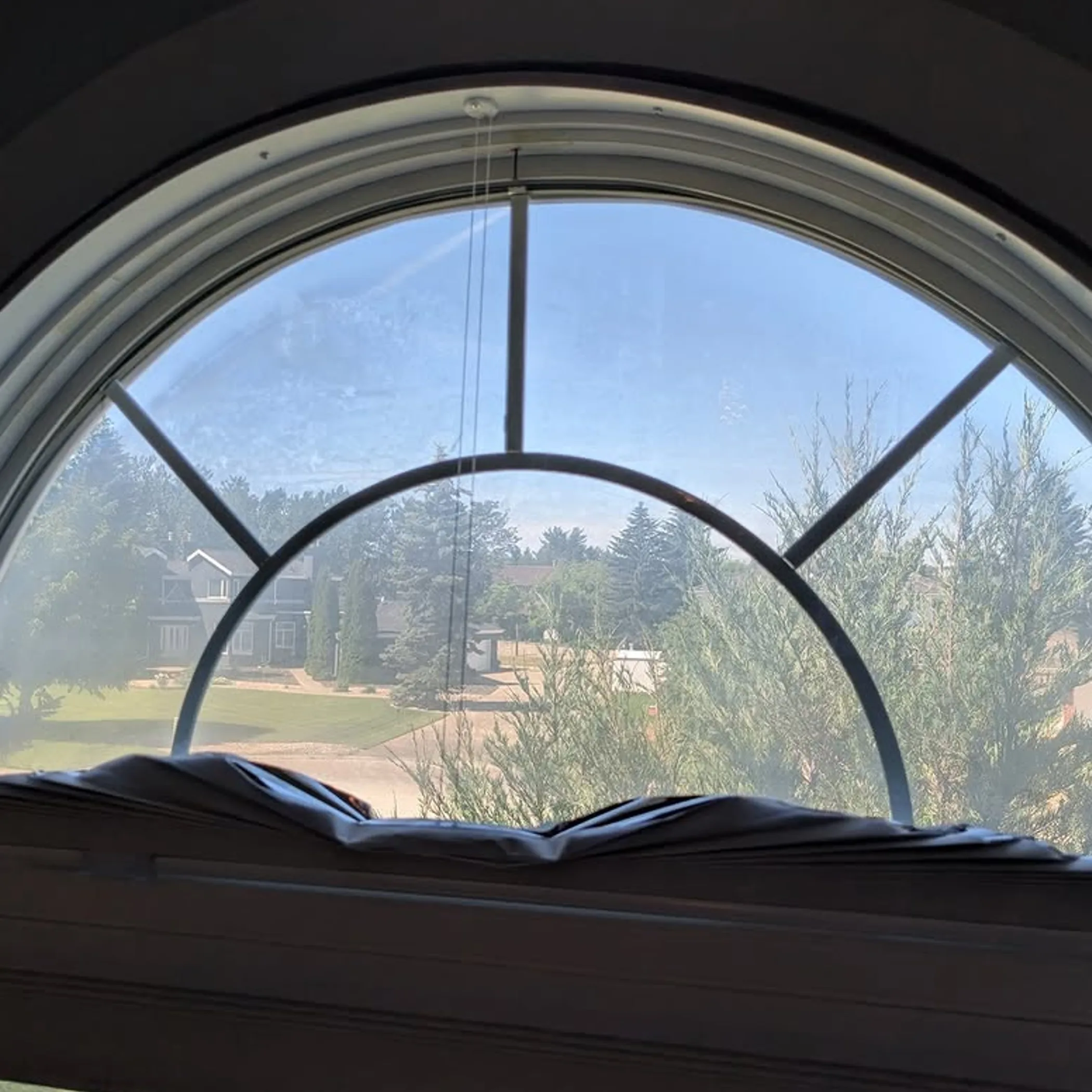
In Australia one is as much about pre-empting events as reacting to them. Be it a cyclone, heatwave, flood or bushfire, each brings its own set of risks and some are better left unmade than put right.
Make a circuit of the place before you head off for a holiday or if the forecast is poor. Put away furniture, see that decorative water containers are empty, shut the gates and verify there is nothing impeding emergency access.
To Mitigate Seasonal Risk
- When an alert for storms or cyclones is out, get the loose items secured, drains cleared and roof fixings checked. Have torches and batteries to hand along with contact details.
- In the run up to a heatwave or when bushfire weather is in prospect, clear away any combustible clutter and dry vegetation, make sure there is room to move around the home and heed local evacuation advice.
- Pest control is a matter of repairing gaps and making damp areas less of an issue. Firewood and other materials should not be left against the wall. Should you come across mud tubes or wings, or find timber that sounds hollow, have a professional in to inspect.
As for floods, put equipment of value above where water is likely to go and let the water have its way around the building. Do not wade into floodwater after something left outside; a new chair is no expense compared with a rescue.
A Schedule For The Locality

Your maintenance plan should be dictated by what your property is exposed to. You will not want to put a Darwin house on the same frequency as a terrace in Melbourne or a coastal Sydney home even if the checklist is identical.
Divide it up into routine, seasonal and event-based work. Routine is for the likes of visible damage and debris. Seasonal covers the leaf fall, the cold or the local rain. Event-based is for after hail, extreme heat or a storm.
Where To Start
One day only? Then make drainage and the roof your priority, along with any safety hazard in plain sight and points of water entry. Do a full perimeter, photograph any defects, clear the gutters and grates you can and put in a call for a professional on anything structural or electrical.
For a regional or rental property it is wise to use an inspection form at every visit and put down the date, the weather, what was found and how urgent it is. It makes for a record owners and contractors can refer to rather than having to rely on recollection.
Some Questions Homeowners Ask
There is not much to it: watch the weather, make regular inspections and put a stop to water turning into damage.
Australia’s Seasons And Weather
You have your four seasons but in the north people plan for wet and dry. The Top End endures a humid wet season with its share of storms and then dries off. Further south the changes are more conventional though temperature and rainfall can be very different from one place to another.
Climate In Australia
From the tropics to arid and temperate zones. Inland you may have to contend with dust and the heat, on the coast salt and humidity, and in the south or higher ground frost and strong winds. Let local exposure be your guide, not some national average.
Caring For An Australian House
At least twice a year have a good look over the roof, the gutters, the exterior and the timber. More so before and after the big weather. Get leaks fixed, control the vegetation and leave the specialised or unsafe jobs to a qualified tradesman.
Gutter Cleaning
Twice a year is enough for most but if you are under trees or in a storm area you will need to check more often. After a heavy storm or leaf fall is a good time. If they are overflowing and you have done your job, have a look at the joints, downpipes and capacity.
Living By The Coast
It is a different proposition. Salt air will hasten the corrosion of metalwork, roof fixings, air conditioners and the like. Give things a rinse with fresh water, be on the lookout for rust and when you make repairs use something that will resist it.
Of Making A Habit Of It
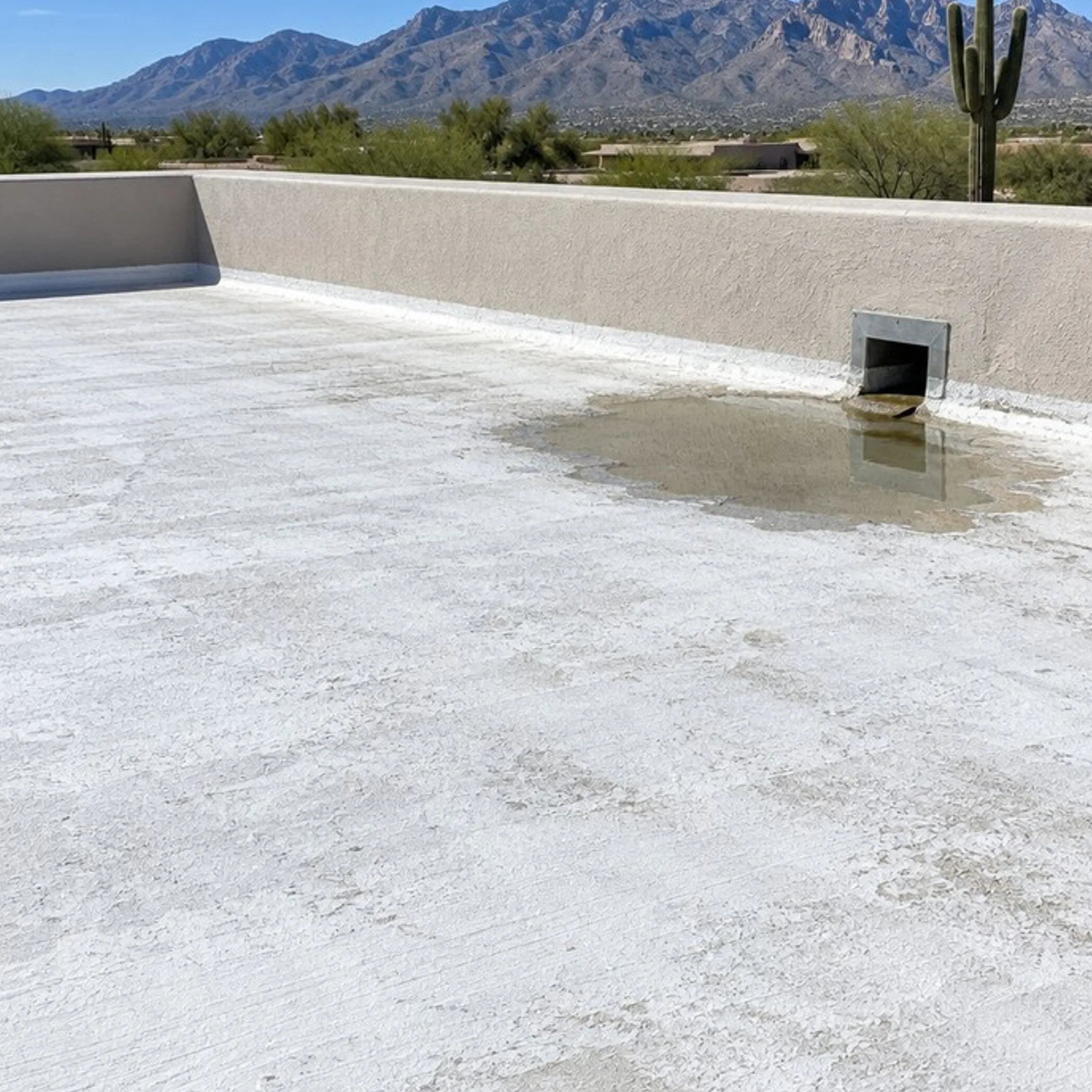
If you do not make a crisis of it, seasonal maintenance is no trouble at all. Mark two major inspections on the calendar and note what you have seen.
There is nothing to be said for a plan that is not straightforward. Go for a walk, clear a gutter, ensure a seal is sound and have the sense to ring a pro before a minor thing becomes a pain. Do right by the outside and the inside of the house will be better for it.