
Circular Retail Australia 2026
One does not need to be a sustainability specialist with an affinity for colour-coded bins to see that the circular economy is no longer some obscure concept. It is altering the manner in which Australians go about buying, selling, returning and disposing of their wares on the internet. The change is of consequence given that the conventional take-make-dispose approach is responsible for greenhouse gas emissions, material loss and a good deal of waste ending up in landfill.
Put simply, a circular economy has a way of making materials and products last. You will find Australian online retailers putting resale services and product take-back to the test, as well as offering repair options, reusing packaging and providing clearer guidance on recycling. These changes are shaping green Aussie online habits. And while convenience will have its say, the shopper is getting more discriminating. I am Julian Norwood; my time in regional marketing and hospitality has taught me that even the best of intentions are short lived unless the process is straightforward enough to be put in practice by someone after a long day and dinner.
The Mechanics of Circular Retail

The objective is to head off waste. By means of maintenance, refurbishment, repurposing and so on, a circular system affords a product more than one useful life.
For e-commerce in Australia this is about more than the sale. A retailer has to think in terms of the origin of the materials, the longevity of an item and the sensible return or recycling route for its packaging, not to mention what becomes of it once the customer is done with it.
From Product Life to Disposal
The linear way of doing things is easy to follow: extract, make, sell, use and discard. In Australia’s circular retail you see loops in place of that one-way street, keeping components and materials in play.
Re-commerce illustrates this plainly. There is the jacket that goes from retailer to buyer and then on to a resale platform and another owner. Or an appliance put through repairs instead of being thrown out. Cardboard boxes get reused before they are recycled. We are not talking about perfection here, but if a durable product can be put to one more use and the transport is handled with some sense, resource efficiency is improved.
Why the Change is Underway
Sustainability in Australian online retail is not a matter of swapping paper for plastic. It is in the design, the warehouse, the data, how goods are moved and where unwanted ones end up.
With the Australian Government, CSIRO, the Australian Circular Economy Hub and others behind the Circular Economy Framework, resource efficiency has made it onto the business agenda. The work now is to apply those principles in a way that is feasible across the various states and household recycling set-ups.
Convenience, Emissions and Waste
A non-recyclable mailer, a delivery that was not needed or a dented item puts strain on the system. Returns are often a nuisance; the product makes its way to a warehouse for inspection and repacking before finding a new channel.
There is a tendency for the consumer to think recycling is the answer. Not invariably. It is contingent on what the material is, the state of local collection and sorting facilities and whether there is a market for it. Take soft plastics: they may appear to be recyclable yet in some places there is no dependable store or kerbside option for them.
Most would do well to remember that disposal should not be the first resort. Use what is on hand, fix it, put it through a proper scheme to return it, pass it along and only recycle when nothing else will do.
The Case for Resale
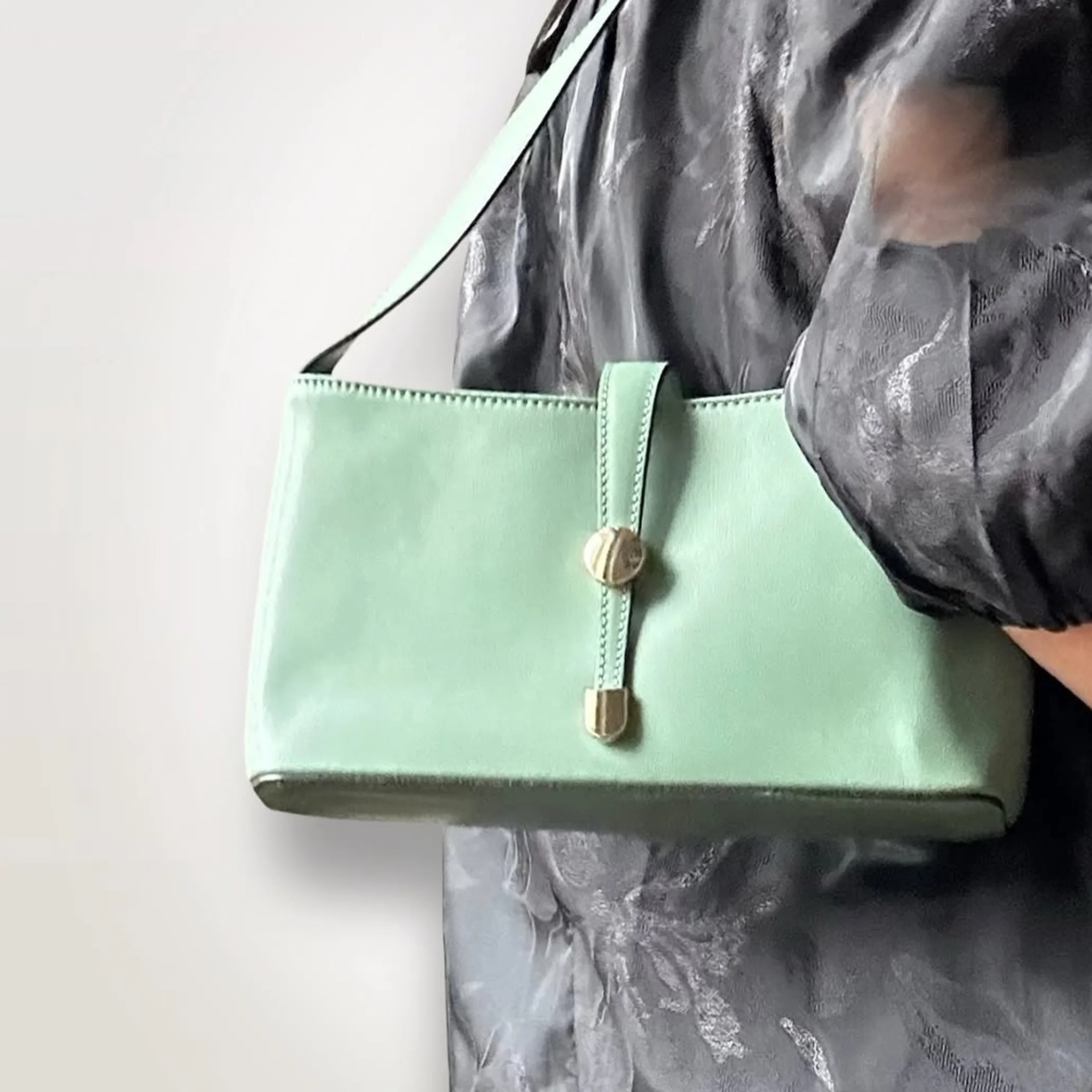
What was once a sideline has become part and parcel of online shopping. Whether through peer-to-peer or digital marketplaces, retailers are giving a second chance to products that would otherwise be headed for the tip.
Shoppers have the benefit of price and variety. The retailer in turn can build loyalty, glean some value from a return and learn something of the product’s durability.
In Re-Commerce
An outlet might be used for lightly used or returned stock, or a retailer will put forward trade-in credits and certified refurbished wares. Then you have the individual sellers on a peer-to-peer site or on Gumtree Australia where a local exchange spares both parties some freight.
What works is to be unambiguous about the condition of an item. Is it repaired, opened or new? Are any accessories or warranty left? What is the state of the battery? “Good condition” does not tell you much. More than one parcel has been opened to disappointment on account of this.
With secondhand furniture I have put my money down for, the item is seldom the source of any surprise; it is the logistics. One is confronted with stairs and narrow gates, collection times that cannot be relied on, or the fact that what was put out as a “quick pickup” in the ad turns out to need a vehicle and two strong arms. The way to do online resale is to be forthright about return limits, transport and where the collection will take place.
Peer-To-Peer Shopping: A Safer Way
There are precautions a buyer ought to take: verify the seller’s history, get unambiguous photos and measurements, and do not part with money over some contrived payment scheme. As for the seller, personal data should be purged from electronics prior to listing and one should have proof of ownership in hand for anything of value.
Bulky pieces call for an understanding on parking, access and the time of collection before any exchange of funds. With a tablet or phone make sure the battery is undamaged and the device has been reset and accounts removed. There is little point in a bargain if it comes with security issues to boot.
Stewardship Of Textiles And Electronics

In Australia product stewardship is a matter of shared responsibility over the life of a product. From the manufacturer and importer to the retailer, consumer and government, they all have a say in the aftermath of a purchase.
Textiles and electronics warrant particular care in their recycling and stewardship; both can present components or blends unsuited to the household bin, not to mention materials of worth.
Putting Better Loops In Place For Clothing
What textile recovery in Australia requires is design that endures, plus repair, resale and sound fibre recovery. Some garments of mixed fibre are hard to recycle and damaged stock has few options.
It is up to retailers to put durable clothing on the shelf, give proper care and repair instructions and be clear as to whether a take-back programme means reuse or something else. On the consumer side, small faults should be mended and items washed as the label dictates. Only donate what is in good order.
Do not think of a charity bin as a magic portal. Wet or mouldy apparel will only add to sorting and disposal expenses, so read the organisation’s rules first.
Looking After Your Electronics
There are metals and other components in electronics that should be recovered, but also batteries and the like that must be handled with due care. A general rubbish bin is no place for loose lithium batteries.
If you are to recycle or return a device, back up your data, sign out, take the SIM card and put in a secure factory reset. Retailers with a take-back service would do well to set out what they accept, how they deal with data and if they will cover postage.
Packaging Without The Waste
Sustainable packaging in Australia is not an exercise in fashion. It is a question of using what is needed to protect the product and ensure there is a viable route to recovery.
In a closed delivery loop reusable packaging is ideal, allowing the retailer to take it back and put it to use again. Compostable varieties have their place too, provided the local system will have them; a label does not entitle one to put it in the organics bin at home.
Mailers And Returns Done Right
A retailer should see that the box fits the product and not resort to void fill or materials that are a pain to separate. Non-recyclable mailers are handy until there is nowhere to put them.
The customer is well advised to heed the council and the retailer on disposal. Clean cardboard should be flattened and kept dry. Where there are adhesives or soft plastic, find out the local pathway instead of making an assumption.
For those in business or at home looking to reduce waste, the Australian Government has put forward some context on resource recovery and its circular economy policy.
How To Measure Circularity
Reporting on circular economy trends for 2026 should involve more than a picture of a brown box. Metrics are called for to demonstrate that any change is not just for the marketing campaign.
One might look at the proportion of orders in recycled or reusable packaging, how many returned products are put up for resale again, the diversion of material from landfill or the average number of uses from the packaging itself.
Some figures of note for the retailer:
| Area | Metric To Track | Why It Matters |
|---|---|---|
| Packaging | Percentage of orders with recyclable, reusable or recycled-content packaging | An indication of whether the new packaging is being used in day to day orders |
| Returns | How much of what is returned is resold, repaired or recycled | Tells you if value is being held onto |
| Resale | Number of products finding a second sale or use | A measure of extended life |
| Waste | Weight or volume diverted from landfill | A useful way to put a number on waste diversion |
| Customer behaviour | Repair bookings, packaging returns and participation in take-back schemes | Tells you if the system is user friendly |
Retailers would do well to make the boundaries, calculation method and measurement period public. It is hard to put any stock in a “90% less waste” claim when one has no baseline, no idea what is being counted as waste or which product category is in view. KPMG Australia and BDO Australia have been part of the broader conversation on operational accountability and sustainability reporting, but in the end it is the retailer’s job to be accurate with their claims.
Shopping With Less Waste

One need not turn into a waste auditor to be a good citizen of the circular online economy. Making some considered choices is enough to curb superfluous buying, extend the life of a product and put in a word with retailers. The green habits of an Aussie online shopper are of most value when they are suited to the day to day. After a long shift and a school run and a dog that has found the mud, a ten-step procedure for a mailer return is not appealing.
A Practical Shopping Checklist
- Make sure you do not already have something on hand for the job.
- Go for durable wares that come with care instructions, repair support or spare parts.
- Before putting new items in the cart, give secondhand, refurbished or resale a thought.
- At checkout, familiarise yourself with the take-back conditions, the packaging and return policy.
- Where you can, bundle your purchases and forgo express delivery.
- Recycle by keeping materials apart and the packaging clean.
- Put any personal data and batteries to rest in a safe manner prior to an electronics return.
To make a change in a day, look at what you buy on a regular basis. Toiletries, small appliances, children’s things or clothes: see what could be refilled or had in a more enduring form, or perhaps bought secondhand or repaired. This is a sensible course for the beginner or a household with little time; it does not call for an encyclopaedic knowledge. One would be ill advised to go on the strength of some vague sustainability claim without verifying the local recycling rules and the return route.
Retail Opportunities And Risks
There is income to be made from circular systems, customer ties can be forged and a measure of protection from material shortfalls gained. They are also good for the local recycler, refurbisher and logistics operator. But operationally it is not so easy. A report may make supply chain innovation look neat enough, but in the warehouse it means labels, shelves and scanners and someone wanting to know where the returned toaster is. New software is called for to follow an item post sale, as is staff training, condition grading and reverse logistics.
Expectation Versus Reality
The expectation is that reusable packaging of itself is better for the environment. In reality, only if it is put through its paces for a number of cycles and transported in a sensible fashion does it have any effect.
You might think every product put back can be sold again. Some are beyond reconditioning, too expensive to inspect, seasonal or just plain unsafe.
And while consumer demand is a help, it will not of its own accord put right the system. Retailers require consistent standards and a dependable collection network. If responsibility is left at the checkout, Product Stewardship Australia is not going to be easy.
Then there is the matter of region. A metropolitan clientele has drop-off points and repairers aplenty; put a shopper in the Pilbara or Top End or some remote inland community and he is looking at limited services and long freight runs. For circular retail in Australia to work there must be options for all locations, not a model from the city imposed across the board.
Common Questions Answered

When it comes to making a decision on an order, a return or recycling, these are the sort of questions that get asked. We keep the answers brief and to the point because you should not need a degree and an afternoon off to be circular.
Is Circular Shopping More Expensive?
Not of necessity. Durable products will save on replacements down the track and a refurbished item can be cheaper. Delivery and return fees differ, so before you commit check the full price in AUD. An item that has to travel far and cannot be resold is hardly the lowest-impact choice even if the return is free.
Compostable Packaging Recyclable?
Do not put it in the bin unless told to by the local authority. What one council accepts another may not and some compostables want a commercial service. Heed the guidance on the package.
Soft Plastics At Home?
It is not for kerbside recycling. There are some services, local or from the retailer, that will take certain things but not others. When in doubt leave soft plastics out of the bin and check the prevailing instructions for your area.
Are Secondhand Electronics Safe?
Provided you have done your homework on the seller, the warranty and data security. Make sure the device is not tied to another account and is able to be updated. Steer clear of a battery that is damaged or swollen and put the thing through an electronics recycler when its days are done.
What is the first thing for a Retailer to Measure?
Establish a baseline for returns, packaging and end-of-life. Put forward the percentage of goods you have recycled, donated or put back on the shelf; the packaging you have recovered; the waste going to landfill. Give us the method and not merely the headline.
Building Better Online Habits
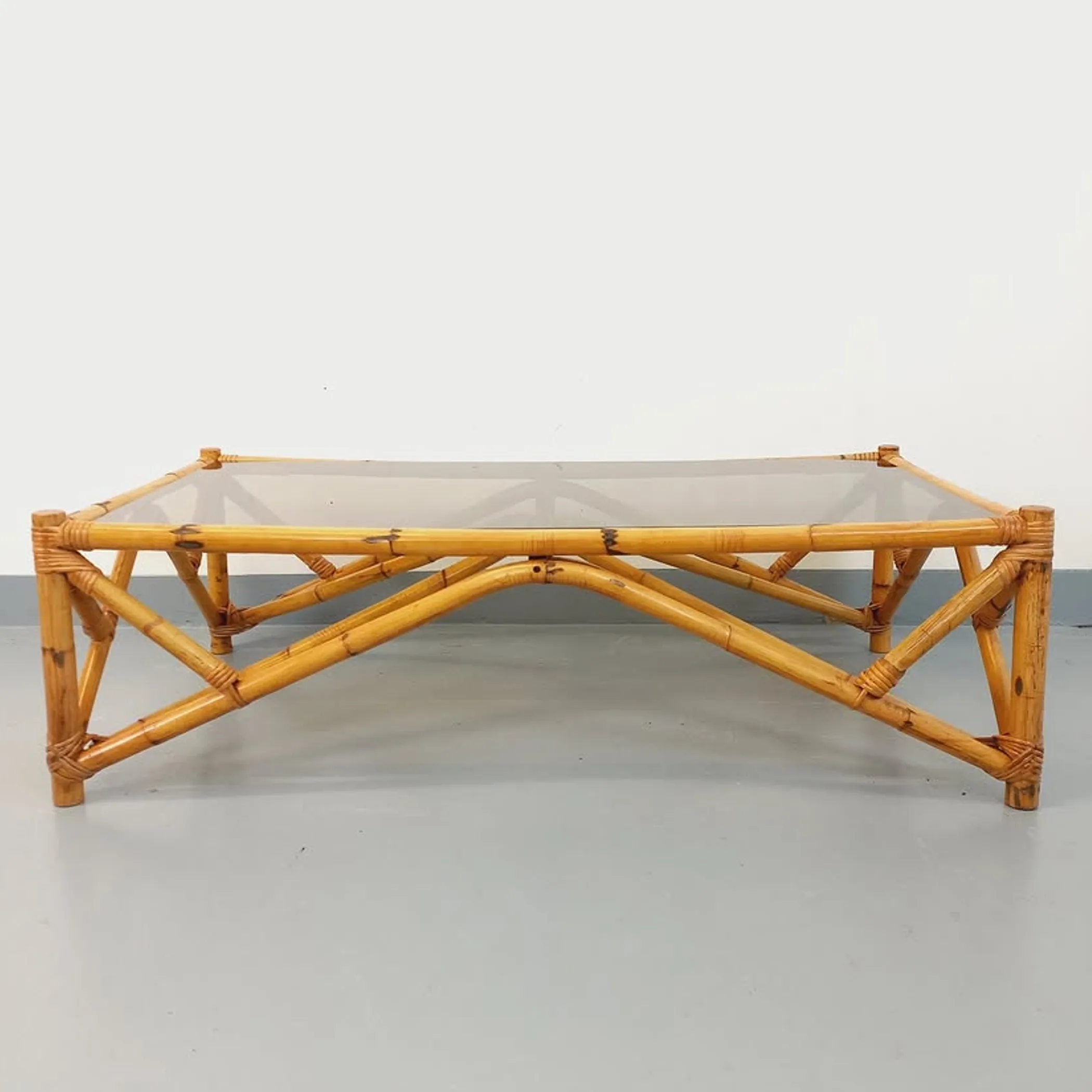
For the Australian online retail sector to get to grips with the circular economy, sustainable options have to be affordable and straightforward. Governments must have policy to match and the consumer wants candour at the point of purchase.
Shoppers would do well to start in a modest way: resist the impulse to buy, pick something that will stand up, use the resale market and recycle via a proper channel. As for the retailer, make the path clear. Leave the customer to figure it out and the circle is likely to be broken at the door.