
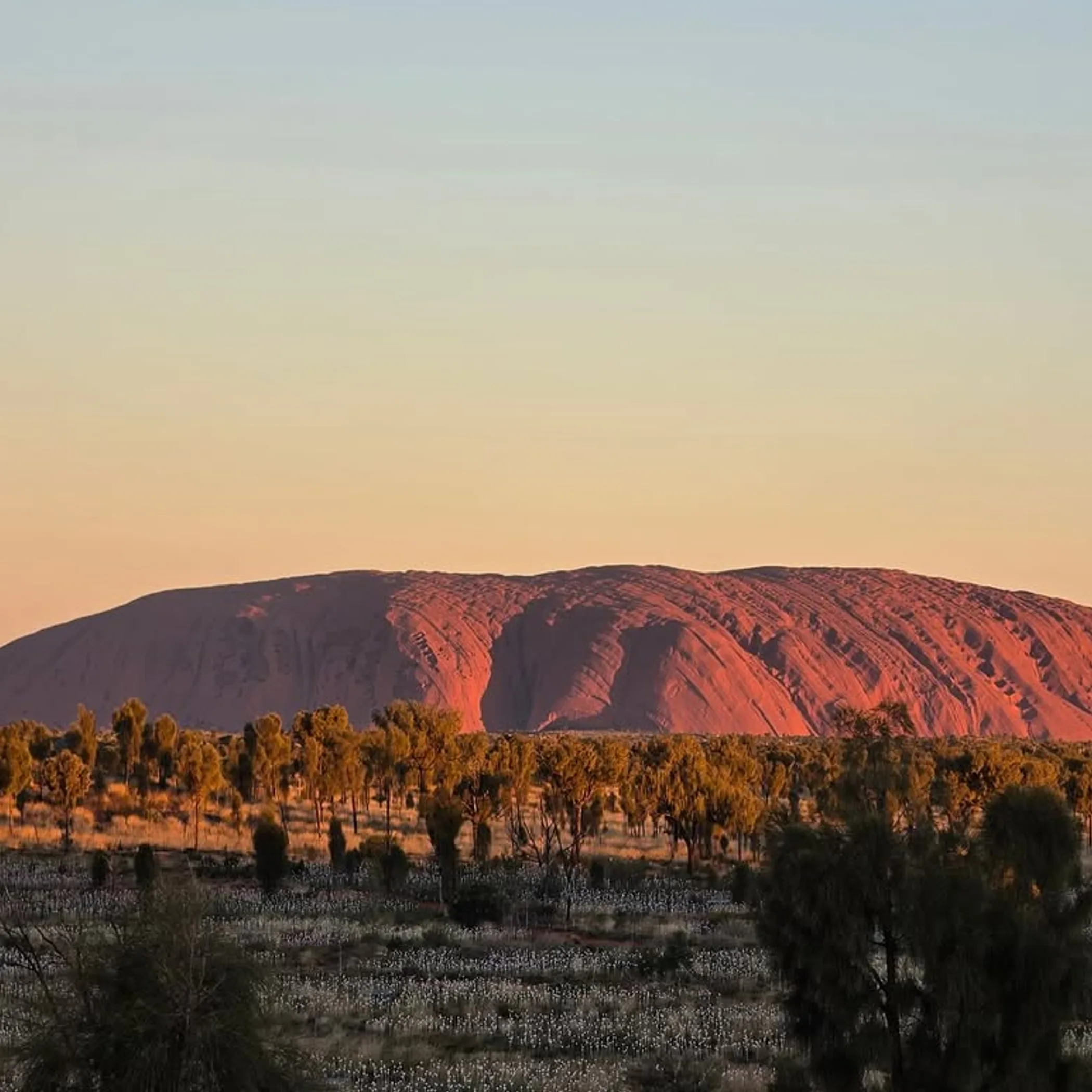
What makes a month good for photographing Uluru is a matter of the kind of light you are after, your disposition when it comes to heat and the amount of time you have at the rock. May through September will be the most agreeable for the majority of photographers; then there is April and October which, with not as many people around, can give you some fine colour. Generally one does well to be at Uluru at sunrise or sunset to get the low desert light on the red rock’s texture before the camera bag gets too warm.
I am Julian Norwood. Over the years I have seen my share of travellers come with grand designs and the sort of confidence that suggests they are unacquainted with an Australian summer, armed with nothing but a small water bottle. While Uluru is open to the photographer all year round, the seasons put a different spin on things. In this guide I will go over the best months for Uluru photography along with the practicalities of access, safety, weather and crowds and those little things that separate a well thought out picture from a sweaty mess.
When to Photograph Uluru
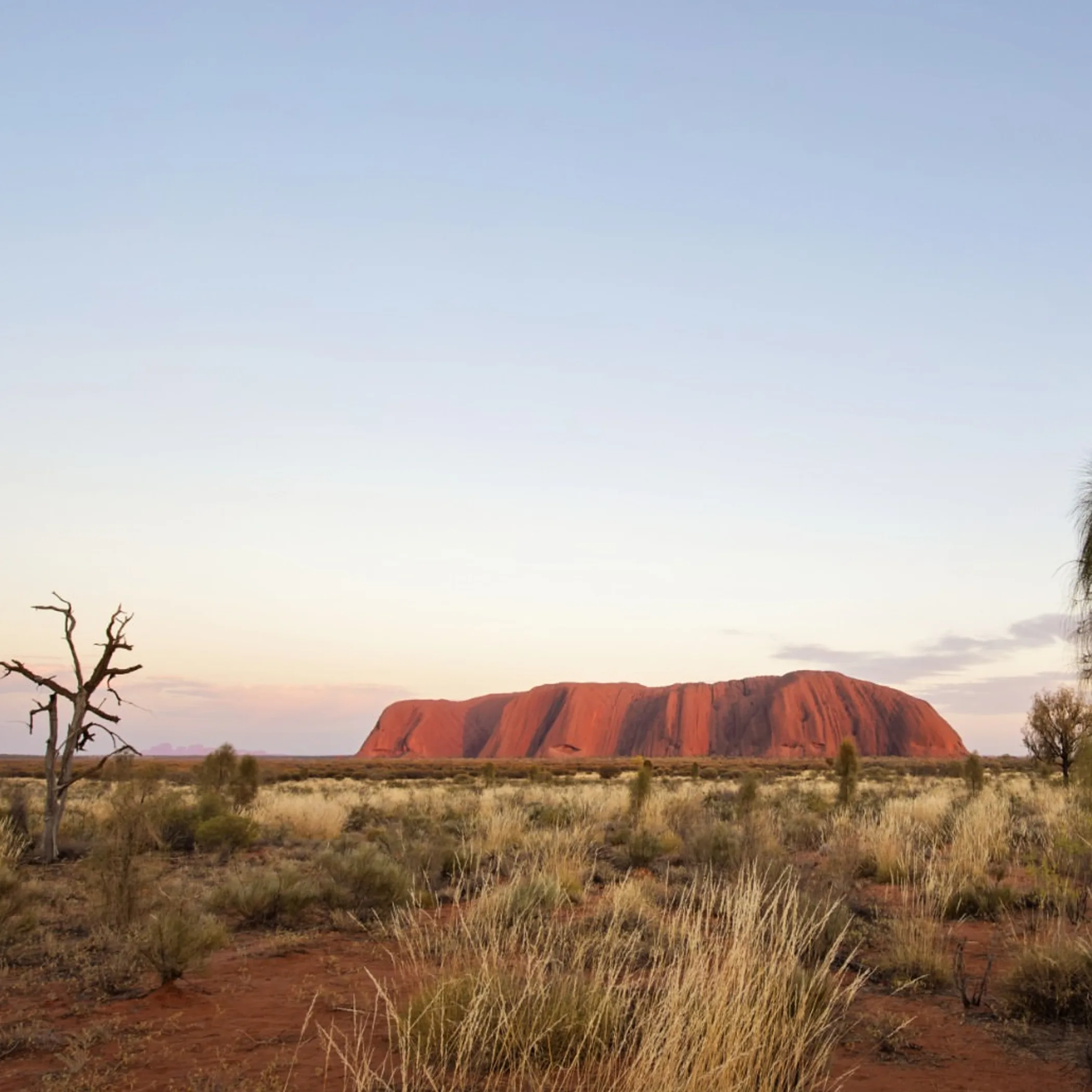
May to September is the easy answer if you want to walk with ease and have no trouble with park access. Should you prefer some more warmth and the odd dramatic cloud, the shoulder season of April and October is worth considering as the optimal Uluru exploration periods.
A winter morning will take the chill out of you before sunrise, so leave the shorts and optimism at home. Summer has its rewards in the way of storm light and colour, but between the wind, dust, rain and the odd closure it is hard going.
Quick Seasonal Comparison
| Period | Photography character | Plan accordingly |
|---|---|---|
| December to February | Storm clouds, some rain and vivid colour | You will encounter high humidity, heat, flies and storms, and maybe a closure |
| March to April | The light is warmer and more comfortable | Afternoons are hot, rainfall is variable and access may change |
| May to September | Stable conditions, cool mornings and clear desert light | Daylight is limited and the popular vantage points can be busy; cold before dawn |
| October to November | Evening colour is powerful and the days are longer | Thunderstorms may be in the offing and the heat and wind will pick up |
Consider these patterns for your planning, not a forecast. The desert has a way of rendering your itinerary irrelevant. Before you head out on a long drive or for sunrise, see what the latest park notices and the forecast have to say.
Uluru’s Weather And Seasons
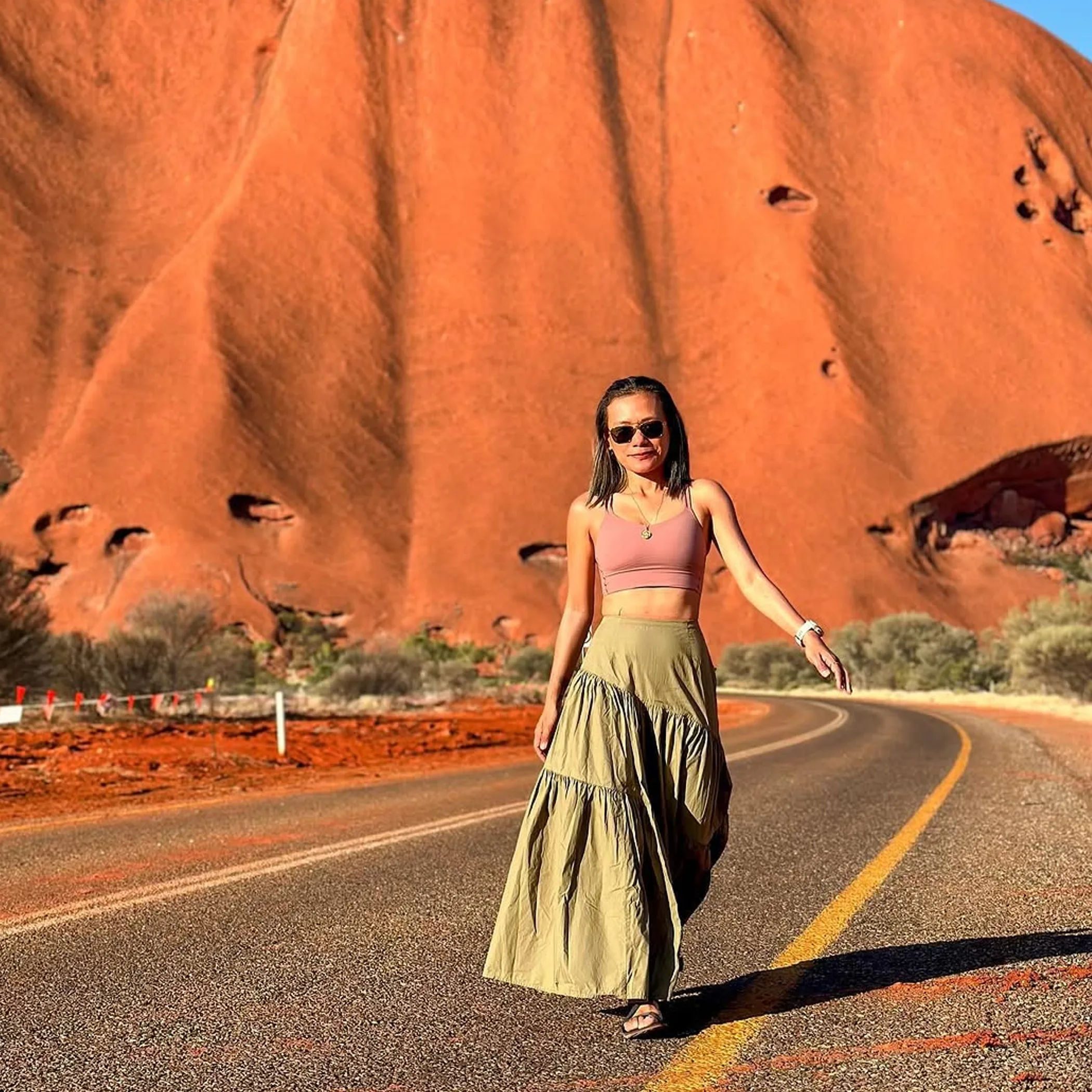
In the Red Centre where Uluru is located, strong sun and wide temperature swings are the order of the day, as are the dry conditions, and they inform most of your choices behind the viewfinder. Visiting at the right season is about striking a balance between comfort, safety and the light.
Do not be taken in by seasonal nomenclature. A wet season in the Northern Territory is no assurance of rain at Uluru, nor does the dry mean you are done with clouds. One might have a hot afternoon and then a cold dawn, or a dusty wind, or a storm that seems to have been biding its time behind Kata Tjuta for effect.
Winter is conducive to fieldwork
For the period of May to September you can put in the miles and wait for the light without much discomfort. Mornings are another matter, the wind will make it feel colder than it is so have a layer to put on until the sun is up. The visibility tends to be very clean in winter with good contrast, something to be had in night sky work or a long-lens shot of the red rock. The downside is that during school holidays the main areas are as crowded as a tin of sardines.
Then there is the drama and risk of summer
Heat is the issue from November to March. An afternoon walk with your tripod can be unsafe. You may get some unheralded rainfall and the cloud cover you have been looking for, but also lightning, dust and the like. There can be bushfire or other closures. Heed any warnings and do not let the prospect of a photograph override common sense or an official order to stay put.
Light at Sunrise and Sunset
There is no need for heroics with a sunrise at Uluru, just some forethought. Get there in time to put your gear down and be in position, not fumbling in the dark. If you put it off to the last minute you will be left with a hasty composition and perhaps a stray tripod leg in the frame. For your sunset work there is more time to prepare and the colour is apt to be warmer. The best known vantage points will tend to draw a crowd. Should you be after something with a quieter feel, put in some distance from the centre of the platform, or opt for a longer lens and an unassuming foreground.
On the question of morning versus evening
A sunrise offers a clean way to begin the day, with cooler temperatures and less noise as a rule. But it does not make allowances for poor planning; one can find oneself packing up while others are only just coming to the spot, and in winter the chill is real.
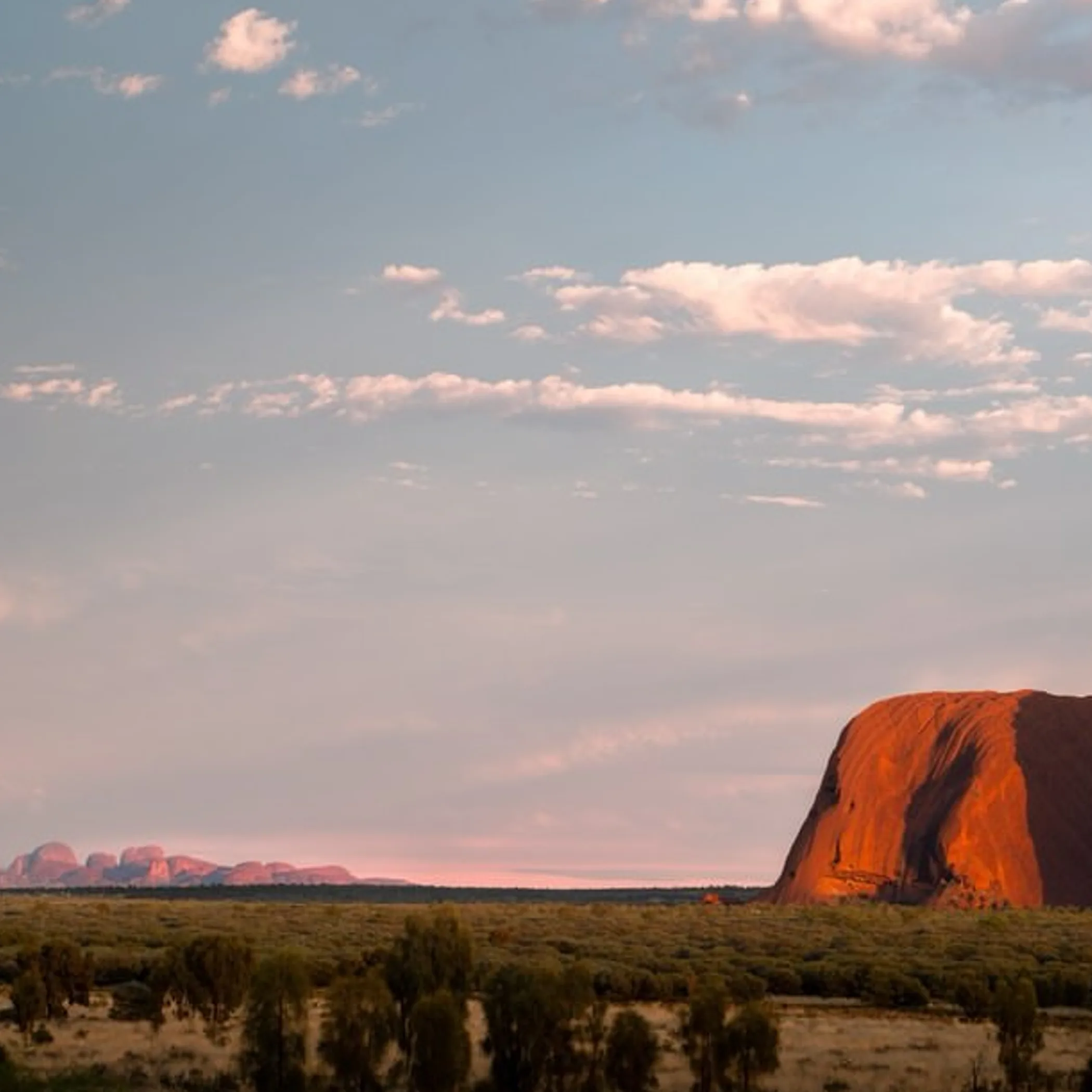
Then there is sunset. A photographer who likes to take his time with the setup and have some leeway in framing will be more at home here. The red rock has a way of turning from a subdued orange to rust as the sun goes down. One has to contend with wind and flies and a trudge back to the car as the light fails. In that situation a headlamp is worth its weight compared to the phone with three per cent battery to show for it.
There is no clear winner. Two chances? Do both. One? For atmosphere and comfort go with the morning, or the evening if you value warm colour and a more relaxed preparation.
Uluru and Kata Tjuta: what the conditions are like
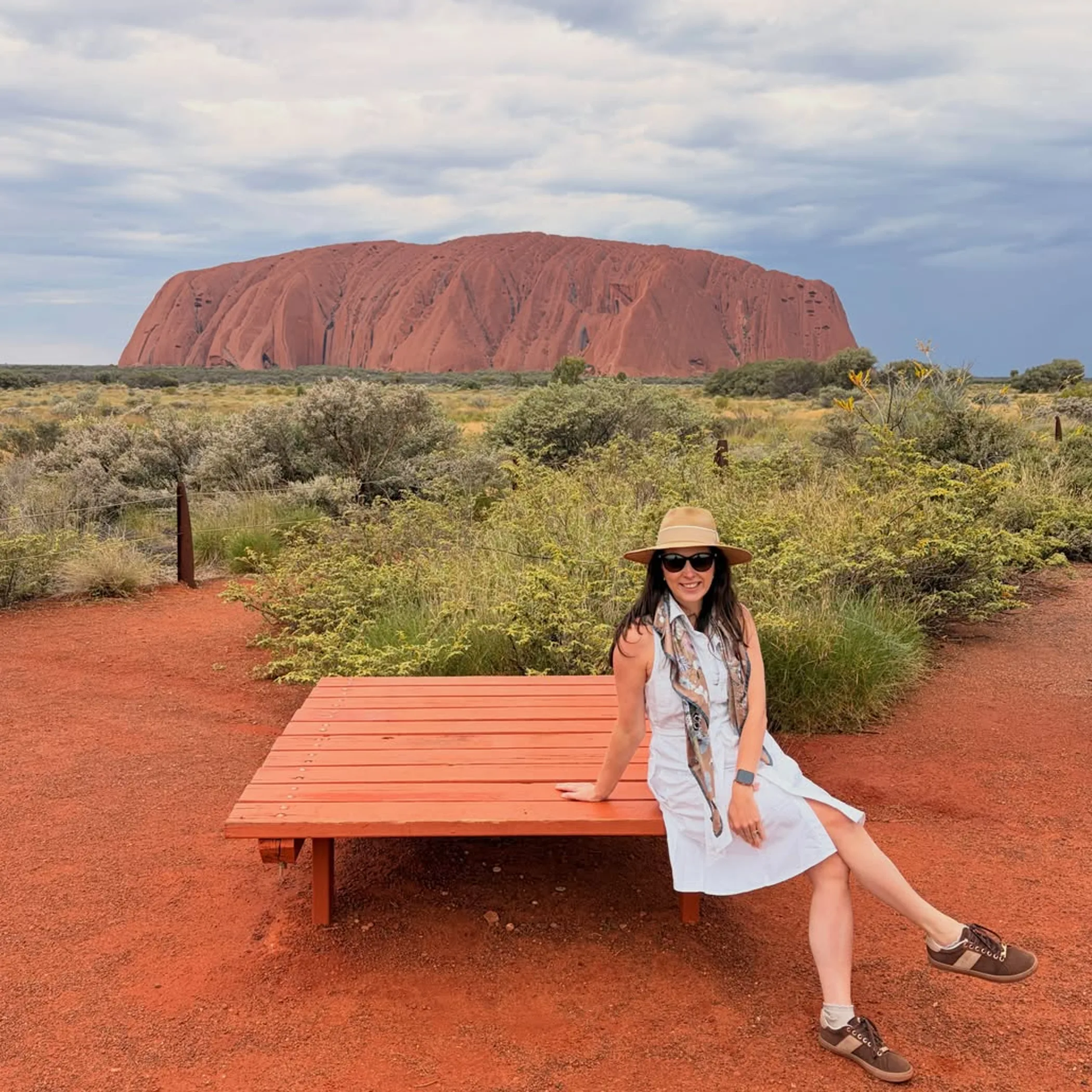
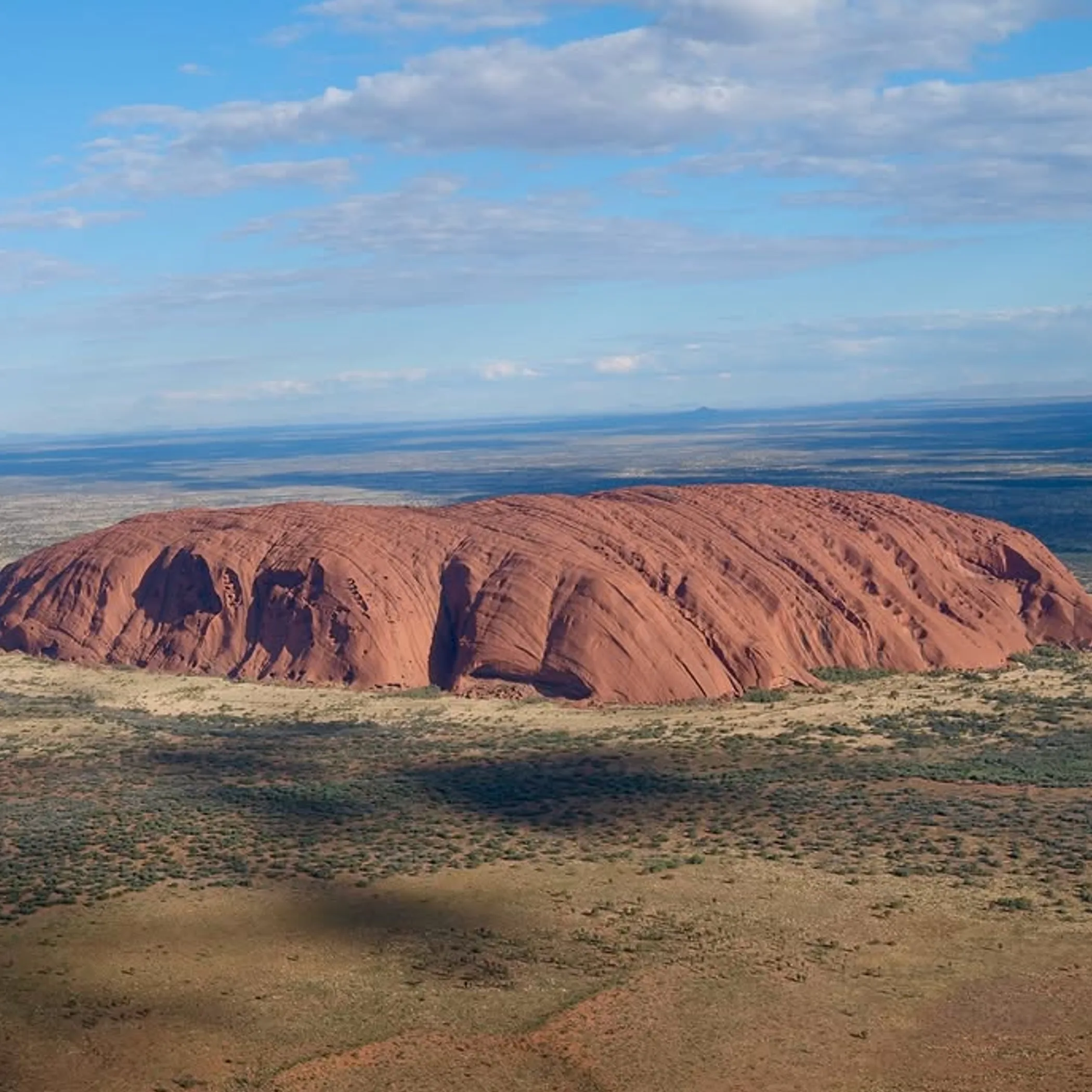
The two respond in their own way to weather and light. You will see broad faces and fissures on Uluru along with caves and colour that is in flux. At Kata Tjuta the forms are more layered, the domes rounded and the shadow deeper; a bit of cloud can mellow the contrast and they look all the better for it.
Do not be guided by the map as to how long things will take. Between the walking tracks, water breaks and any wildlife you come across, a route that seems straightforward on paper will test you in the heat and wind, camera kit in hand.
Some composition choices stand up to scrutiny
A wide lens is good for scale but wider is not invariably the answer. With a moderate zoom you can put in a band of colour or a single curve without the frame being taken up by empty sky. Telephoto work is called for at Kata Tjuta to get a feeling of depth from the compressed layers.
If the scene is a little too well trodden, put some foreground into it, be it a piece of spinifex, red sand or an old branch to give the image a sense of where it is. There is no need to put yourself on a rock or in a restricted zone for the sake of an angle. Cultural respect is of more consequence than an additional frame.
Dealing with dust, wind and cloud
You can have your highlights softened and colour made richer by a thin layer of cloud. A thick storm front will put some mood into a picture but can also be apt to flatten it or make the light very changeable. Wind is fine for clearing haze until it is in your eyes and tripod legs and the sensor you have just put in the trouble of cleaning.
Have a microfibre cloth and a lens hood to hand and do not swap lenses in the open. Dust makes no distinction over the price of your gear. When it gets rough, leave the camera be and have a look around rather than having it out with the elements.
Heat and the crowds
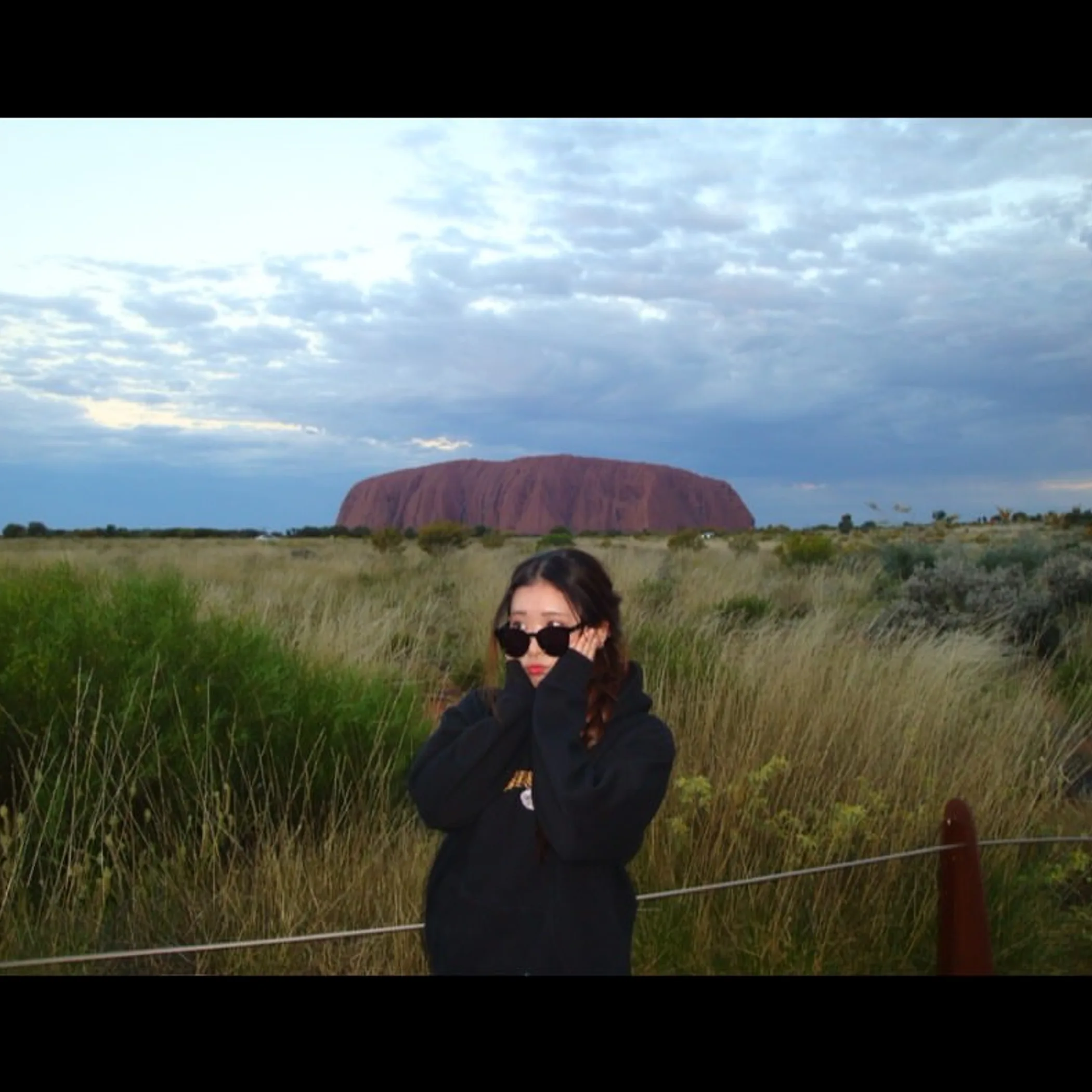
Uluru is hard on your body, your equipment and your patience as much as on the photography. Some of the better work is the result of sensible decisions, not of making a drama of it. A lot of visitors fixate on the prime viewpoint and lose sight of the realities of the desert.
It is easy to misjudge how far “comfortable” is from “near the car”. Shade is not always to be had and the heat comes on fast. Make an early start, have plenty of water and put on some sun protection. If you are venturing off the beaten track, let someone know.
What you might expect and what you will find
Expectation: The rock will be a bright red all day, or so one would think.
Reality: In fact the exposure, the angle, the haze and time of day dictate the colour. Midday can render the surface a flatter orange-brown. Not a bad landscape for all that, just a less obliging hour.
Expectation: Summer is supposed to be the time for a quiet session.
Reality: Yet with the possibility of closures and storms the shoulder season may be a better proposition for a morning shoot.
Expectation: The camera is weather-sealed and can stand up to anything.
Reality: That is a force field against dust, which it is not. Put some protection on during a sudden change of temperature or a shower.
- Be there before the light is of interest.
- Have your water within reach and in greater quantity than you fancy.
- In winter a warm layer is a good idea, as is a headlamp for the walk in pre-dawn.
- Check your memory cards and stow spare batteries out of the heat.
- Stay to the marked tracks and abide by any restrictions, photographic or otherwise.
It is well to put in mind that a photographer will not find every compelling subject open for the taking. There are restrictions at certain cultural sites and one has to heed the signs, what the rangers say and any park guidance in force. To be sure of the conditions and cultural protocols before making the trip, consult the visitor information from Parks Australia for Uluru.
Photography Kit
There is no virtue in a heroic kit when a sensible one will do. You want to be equipped for the dust, long hours out of doors and variable light without having to make a production of lugging it around.
A good wide-angle and a zoom of moderate length are in order, as are some spare batteries and memory cards, lens cloths, a headlamp and a tripod that is sturdy yet not unwieldy. A polarising filter is of use under some circumstances but do not expect it to put a flattering spin on midday light or work wonders with haze.
Essentials And Clothing
Opt for closed shoes you can trust, a broad-brimmed hat and layers that let you breathe. Make provision for water, sunscreen, insect repellent, sunglasses and first aid of the basic sort. In winter a fleece or something insulated is called for at sunrise; in the heat of the year, long sleeves of a lighter weight are good protection from flies and the sun.
When you are after night sky shots, check the moon and let your eyes get used to the dark; if there is a red-light setting on the headlamp, put it to use. Mind where you are walking so as not to go backwards with your attention fixed on the stars and put yourself in the way of a hazard or an untimely encounter with the tripod. The desert has plenty of those already.
Getting Around
Do not underestimate how transport will factor into your photography in such a remote place as the Uluru-Kata Tjuta National Park. An organised tour relieves you of the need to plan and navigate, whereas hiring a car puts you in command of the sunset and sunrise. Most make their way in from Alice Springs by road or fly into Ayers Rock Airport.
Figure on a full day to get from Alice Springs once you have factored in fuel, the state of the roads and having to give way to a road train on the Stuart Highway. From the resort side, allow ample time for the walk in, to park and set up. Resist the temptation of an over-scheduled itinerary that cannot accommodate a flat tyre or a visit to the toilet.
Parking And Access
Stick to the signed roads and parking. After hours of concentrating on your photography you may find the return route does not seem the same in the dark. As for permits, they are a requirement for commercial or professional work of a kind; personal photography is governed by the usual park and cultural rules. Fees and access can be altered, so do not put stock in a blog post of some age or the word of a fellow at the café, but verify the latest position before you leave.
A Plan For The Day
With a single day to spare, put one sunrise and one sunset session at the top of the list with a break in between for the worst of the heat. Kata Tjuta can be part of the equation if daylight and your fitness permit, and you have the means to get there. A hasty circuit in an attempt to put every rock formation, walk and lookout on film will as a rule leave you with a set of very similar photographs and weary travellers.
- Better to make an early start, be there before the sun is up with some warm clothes and water and an idea of what you want to compose.
- Do your shooting in the morning, then put the equipment away from the heat while you have a meal and get some rest.
- An afternoon can be put to good use for a no-nonsense trip to Kata Tjuta or elsewhere.
- When it comes to sunset, be in position well in advance and do not let fatigue dictate the drive back.
It is an undertaking for the kind of photographer that has the patience for observation and does not mind variable weather or getting up at dawn. Those who are not at ease walking outside unaided, lugging water or dealing with the heat will find it less to their liking. There are accessible alternatives but one should verify what facilities and conditions are in place before deciding on a course.
Frequently Asked Questions
In putting together their inaugural Uluru photography outing, these are the sort of questions I am put to by travellers. The answer is seldom as simple as a month; more often it is a matter of having the right season, light and energy to see things through.
What Is The Best Month To Visit Uluru?
For conditions that are comfortable to work in, May through September tend to be the way to go. Should warmer climes and the latitude of the shoulder season appeal, April and October will do. Put down any notion of a perfect month and go by what you can tolerate in the way of light and heat.
What Is The Best Time Of Day To Photograph Uluru?
One would do well to shoot at sunrise or sunset and the golden hour either side of them for the sake of softer light, texture and longer shadows. You can make midday work for details in the shade or to have a rest and scout around, but for wide open landscapes the light is not so forgiving.
Is Uluru Better At Sunrise Or Sunset?
There is no clear winner. A sunset gives you time to set up and some of the desert’s warmth; sunrise is cooler and not so much of a hubbub. If possible, put both in the schedule and note how the light plays over your composition in the first instance.
Can You Photograph Uluru All Year Round?
You can, though in summer you have to be more circumspect. Your plans may be thwarted by wind, dust, storms, flies, rain or a closure. Winter is not as hard for long stints in the open, but expect the viewing spots to be crowded and the pre-dawn hours cold.
Are There Photography Restrictions At Uluru?
Indeed. There are restrictions in places of cultural import and you are expected to heed the rangers and the posted signs and park information. Do not go off the marked track for an angle or put your camera to a restricted site. If there is any question, put it to a ranger first.
Make The Light Work
When access, temperature and good light are in your favour, that is the time to photograph Uluru. For the majority of travellers a trip between May and September, with sessions at either end of the day, is the sensible approach, with April or October as an option.
Be prepared for change and take the proper water. Observe the cultural rules and allow the desert to have its effect. The dates worth exploring Uluru on are not those with the most favourable forecast but ones where you can be safe and take your time.