
For the majority of established homes the rules for a gas to electric hot water replacement are not complicated. You will be able to put in an electric storage unit or heat pump in place of a gas system, new or old, as long as it is done by the right licensed tradesmen and is in keeping with present day electrical, plumbing and building codes. Any restrictions Victoria has put in place are more likely to be on new gas connections than on a like-for-like change in an existing property.
Then there is the matter of what is meant by “electric”. There are two quite distinct options. An electric storage tank of the conventional type is well known and tends to be less of an outlay. A heat pump on the other hand will draw on electricity to put heat into the water from the air, which means it does not have to use nearly as much as a standard element would. For a broader hot water system comparison Victoria, it is worth considering how each option suits your household. I am Julian Norwood and in this guide I set out in plain English where householders make mistakes, how to budget and what to do so a cold shower does not turn into an expensive lesson in character building.
Separating the Rules
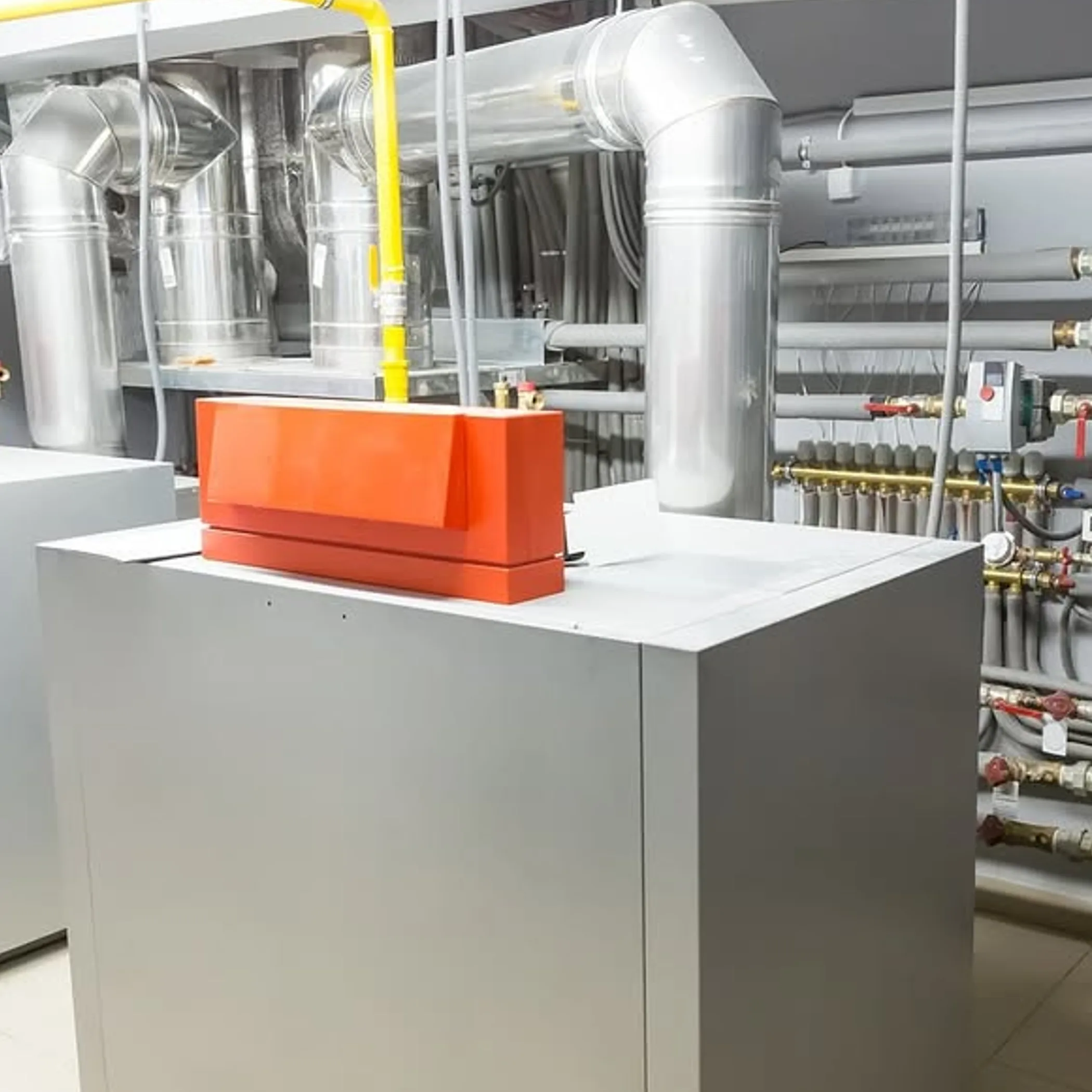
One should first put to one side any rules that pertain to new builds and focus on the replacement at hand. It spares you some of the hyperbole and alarm that can be found at the kitchen table.
Under the policy in force since its commencement, Victoria will no longer countenance new gas connections in new homes. But an existing property is another matter entirely. If a homeowner is putting in a new hot water service to take the place of an old gas one, he is under no compulsion to get rid of all the gas appliances in the house.
Replacements in Existing Homes
An electric storage system or heat pump can generally stand in for a gas hot water unit. There are instances where a gas system may be replaced with another, but going electric offers more down the line in terms of flexibility and energy-efficiency incentives, not to mention shielding you from gas supply charges.
Compliance is non-negotiable though. The plumber has to see to the water and discharge pipework. Electrical work, be it a new dedicated circuit or alterations to the switchboard, must be carried out by a licensed electrician. Should the gas appliance be taken out, a licensed gasfitter will need to cap the connection and make it safe. For official guidance on gas-safety in Victoria, look to Energy Safe Victoria.
Major Renovations and New Builds
The state’s policy is to put a stop to new residential gas connections, so the limits are stricter for new homes. With a major renovation one might wonder if the work is being classed as a new project or an extension to an existing dwelling.
Put aside what your neighbour may think the rule is. Before you put in an order for equipment on a new dwelling or a multi-residence development, check with your council, registered builder or building surveyor.
Making the Right Choice of System
Do not be seduced by the cheapest quote; it is not invariably the most economical solution. What is right for you will be dictated by the size of the household, the tariff, how much noise is acceptable and whether there is room to install outdoors.
| System | Best For | Main Advantage | Watch-Out |
|---|---|---|---|
| Electric storage | Fits a small budget and is straightforward to replace | Installation is simple enough | Expect to use more power when heating |
| Heat pump | If you are in it for the long haul | Lower electricity consumption than standard storage | Higher purchase price and some operating noise |
| Solar-compatible electric | A home with daytime solar generation | Can run off surplus solar | Weather and demand will affect performance |
On Electric Storage
The standard way to go is an electric storage heater with an element in the tank. No need for outdoor airflow or finding a spot for a compressor as with a heat pump, so it is easier to put in place.
A rental or a home with a tight installation budget will do fine with it. Make sure the capacity is up to the task though. Put too small a tank in and a succession of showers will show you that your supposed saving was illusory.
Heat Pump Practicalities
As for the heat pump, while the upfront cost is greater it will not use as much electricity as a conventional system since it is moving heat about rather than making it. The model, the climate and your tariff will determine the outcome.
Just bear in mind they require the proper clearance and location for airflow. Operating the unit will generate some mechanical hum of a sort, which is why one would be unwise to put it right outside the bedroom window. It might fit in that space as well as a drum kit does, but that is no reason to do so.
Then there is the matter of cold-weather performance and noise. Put these questions to the installer along with how the condensate is to be drained, what access you will have for service and the terms of the warranty. What seems a neat solution behind a shed on the day of installation can turn into a chore when maintenance is called for.
The Installation Requirements
An electric system is not an off-the-shelf substitute for a gas unit. You could be looking at a new electrical circuit or switchboard capacity, a bigger base, alterations to the tempering or pressure-relief set up and different pipework.
Before putting a figure on it, any good installer will want to see the site. An estimate from photos is one thing, but they will not show you a corroded pipe, a drainage issue or the limitations of the switchboard.
Licensed Trade Work
Leave the water to a licensed plumber and the electrics to an electrician; for disconnection or any work on the gas a licensed gasfitter is required. And hold on to the final invoice, product details and all compliance papers.
For your own safety, do not try to cap or cut the gas yourself. The risk of a leak, fire or carbon-monoxide is there. With an old switchboard of limited capacity, electrical work can present shock and fire hazards.
Permits And Compliance
What is needed by way of a building permit or other sanction is a function of the property and where it is sited, the equipment and the nature of the work. A like-for-like swap is not the same as a system being put in as part of a renovation or in another part of the premises.
Make sure the installer can tell you who is to see to permits and compliance before he starts. The written quote should make plain if it covers everything from the removal of the old unit and gas disconnection to testing, certificates and disposal.
Putting a Budget on It
Installation prices are all over the place in Victoria at present. To put in an electric storage unit, say, with the labour and removal factored in will run to several thousand dollars. A heat pump is likely to be more, especially if there is work to be done on the slab, cabling, pipework or switchboard.
There are government incentives for energy-efficient models but the rebate values and eligibility are subject to change; until the installer has the rules in writing one should consider an advertised rebate conditional.
Some of the usual extras
- Disposing of the old gas unit.
- Having a gasfitter come out to put the line in order.
- Switchboard or new cabling.
- Brackets, concrete pads or something for weather protection.
- Any extra length in the water or electrical runs from a change of location.
- Proper drainage for the heat-pump condensate and pressure relief.
Two quotes are advisable, but look at what is included, not the headline price. One may appear very attractive until the electrician turns up with a frown and a list because the switchboard was left out of the equation.
Accommodating Household Demand
Your hot water usage dictates the system. A couple with their showers at different times are not the same as a home with five, or teenagers, or one with visitors of a regularity.
Have a look at the electricity bills to hand. Is the hot water coming on in peak time? Is there rooftop solar? A controlled-load tariff? A search for hot water systems in Victoria will give some idea, but the installer has to make his own assessment of the property.
A few things to check
- How many are living there as a rule.
- Daily shower habits, baths, laundry and the dishwasher.
- Daytime occupancy and what the solar can put out.
- The size of the area and route for installation.
I am apt to see people go by tank size in making their choice and be mistaken. Inlet temperature, recovery speed, the household routine and tariff settings will determine if the water holds up in the morning.
Where People Go Wrong
They tend to get the legality right and miss the practical side. “Can I install electric?” is the question asked, whereas “Can this property take the system I have in mind without costing me a fortune to alter?” is the one they ought to be asking.
And a heat pump is not without sound. If poorly sited it will try the patience of the neighbours and those who do not sleep heavily. Then there is the oversight of drainage; the water from the relief valves and condensate has to be dealt with in a compliant manner.
Expectation Versus Reality
It is thought any spot outdoors will do. But the equipment requires proper drainage, service access and a good deal of clearance and airflow.
You may assume the old gas setup can be done away with in a matter of minutes. Safe isolation of the gas, the necessary electrical and pipework, and disposal are likely to extend the job.
The expectation is that an electric conversion will of itself put an end to energy bills. In reality, while a heat pump might lower the electricity for hot water, one has to factor in tariffs, water use, maintenance and what the unit costs to buy before the household’s total outlay is known.
Make The Change Safely
A site inspection is the prudent course for Victorian households. It is well to establish if the property is new or an existing dwelling, have a look at the merits of a heat pump over electric storage and get a quote that puts every cost of trade, approval and disposal on paper.
Should the present system give out, put some temporary measures in place instead of being hasty with a replacement. See if the installer can put in a repair or hire unit, or give you priority. A cold shower may build character but it is not a sound way to procure a new system.
Julian Norwood would put it this way: for an existing Victorian home there is no reason why gas hot water cannot be made electric, but having the legal right to do so is only part of it. To make the upgrade worth while there has to be correct sizing and pricing, a licensed hand on the installation and the safe disconnection of the gas.
Frequently Asked Questions
Can I Replace Gas Hot Water With Electric In Victoria?
In an existing home as a rule you can. Provided the plumbing, electrical, building and gas-safety requirements are met. New builds and major redevelopments are subject to other rules on gas-connection.
Must I Remove All Gas Appliances?
Not at all. An existing gas cooker or heater does not have to go just because the hot water system is replaced; they stand on their own as far as safety and installation is concerned.
Is A Heat Pump Better Than Electric Storage?
That is not always the case. There is more to spend on a heat pump to begin with and it demands the right kind of outdoor area for drainage and airflow even if it is easier on the electricity. Where simplicity of installation is paramount, electric storage is the more practical option.
Do I Need A Permit?
It could be. Work type and the property in question will dictate the answer. Make sure to check with the council, your building surveyor or the installer first, particularly when a system is being put in as part of a renovation or moved from its current position.
Can I Disconnect The Gas Unit Myself?
You should not. Leave the alteration and disconnection to a licensed gasfitter. Have the compliance papers to hand and be certain the old appliance and connection are secure prior to commissioning the electric system.